What Is a Funeral Director? Why Families Choose Professional Funeral Management
- Kamboja Blog
- (updated )
- 6 min read
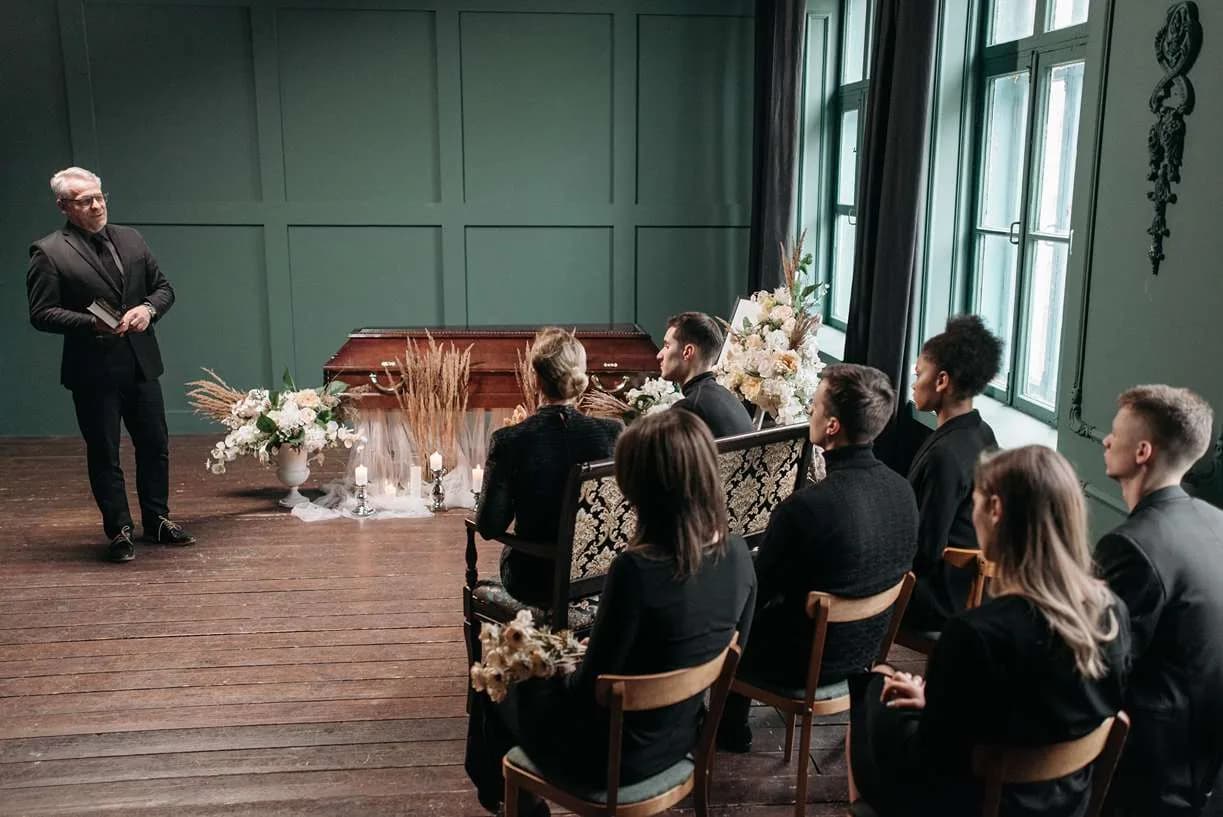
Losing a loved one is a difficult moment for anyone. In the midst of grief, families often have to deal with many administrative tasks, prepare the ceremony, and make sure the funeral procession goes smoothly. Many families feel overwhelmed because they must make a lot of decisions in a short time.
This is where the role of a funeral director becomes very important. A funeral director is not only responsible for organizing the funeral procession, but also serves as a companion who helps the family get through this difficult time with greater peace of mind.
So, what exactly is a funeral director? What are their duties, why is their role so important, and when should you use a professional funeral management service? Read the full explanation below.
What Is a Funeral Director?
A funeral director is a professional responsible for planning, arranging, and coordinating the entire funeral or cremation process for a person. This profession is also often known as a funeral service leader or funeral management professional.
The duties of a funeral director go far beyond simply providing funeral services. They act as the link between the family and the various parties involved, such as hospitals, funeral homes, places of worship, crematoriums, cemeteries, and government agencies that handle death administration.
With a funeral director, the family does not have to handle everything on their own. They can focus more on being with other family members and paying their final respects to their loved one.
What Are the Duties of a Funeral Director?
Many people think a funeral director's job is only to organize the funeral procession. In fact, their responsibilities are very complex and cover many aspects.
1. Consulting with the Family
The first step a funeral director takes is to discuss the family's funeral needs.
Some of the matters usually discussed include:
- Type of procession (burial or cremation)
- Religious traditions
- Location of the ceremony
- Number of guests
- Decorations
- Type of coffin or urn
- Order of the event
- Special requests from the family
The funeral director will provide a range of options that suit the family's needs and budget.
2. Handling Administration
After someone passes away, a number of documents need to be completed.
For example:
- Death certificate
- Burial permit
- Cremation documents
- Hospital paperwork
- Cemetery permits
- Government administration
All of these processes are usually handled by the funeral director, so the family does not have to go back and forth to take care of various documents.
3. Arranging the Collection of the Body
The funeral director will coordinate the collection of the body from:
- Hospital
- Home
- Nursing home
- Other locations
The body is then transported to the funeral home or the location agreed upon by the family.
4. Preparing the Body
Care of the body is carried out with full respect. This service may include:
- Cleansing of the body
- Washing the body
- Makeup for the face
- Dressing the body in the finest clothes
- Preparation before the viewing
The entire process is carried out in accordance with the culture and religion followed by the family.
5. Organizing the Ceremony
The funeral director also arranges the entire sequence of events so that it runs in an orderly manner. This includes:
- Schedule for guest arrival
- Reading of prayers
- Remarks from the family
- Tribute songs
- Farewell procession
- Departure schedule to the cemetery or crematorium
With careful planning, the event proceeds more solemnly and without confusion.
6. Coordinating with Many Parties
In a single funeral procession, many parties need to work together. For example:
- Hospitals
- Religious leaders
- Funeral homes
- Cemetery managers
- Crematoriums
- Decoration teams
- Documentation teams
- Flower suppliers
- Transportation
The funeral director serves as the main coordinator so that all parties work according to schedule.
7. Arranging Equipment and Supplies
Funeral supplies are very diverse. Examples include:
- Coffin
- Flower arrangements
- Altar table
- Guest chairs
- Sound system
- Hearse
- Family vehicles
- Guest book
- Photo of the deceased
- Room decorations
Everything is prepared so that the family does not have to bother finding vendors one by one.
8. Supervising the Event
On the day of the funeral, the funeral director makes sure the entire sequence runs according to plan.
If sudden changes happen, they can make decisions quickly so the event continues smoothly.
Why Use a Funeral Director?
Many people still ask whether a funeral director service is really necessary.
The answer is yes, especially when the family wants the procession to run smoothly and to ease the burden on them. Here are some reasons.
1. Saves Time
Arranging a funeral requires a lot of coordination in a very short time. With the help of a funeral director, every process can be completed more quickly because they already have experience and a wide network.
2. Reduces Family Stress
A grieving family should not have to be burdened with technical matters.
The funeral director takes over all the coordination so the family can focus on supporting one another.
3. Minimizes Mistakes
Administrative errors or miscommunication can delay the funeral process. Because they have experience handling various situations, funeral directors are able to anticipate these obstacles.
4. Everything Is Better Organized
From schedules and decorations to vehicles and invited guests, everything can be managed systematically.
This makes the procession more orderly and comfortable for everyone who attends.
5. Provides the Best Respect
A funeral is not just an event, but a form of final respect for the person who has passed away.
A funeral director helps ensure every detail is prepared with care so that the farewell is dignified and meaningful.
When Should You Use a Funeral Director?
Ideally, a funeral director should be contacted as soon as the family decides to hold a funeral or cremation.
The sooner coordination begins, the easier it is to prepare everything that is needed.
Many families now choose to consult early about funeral management services so that, when the time comes, every process already has a clear plan.
What Is the Difference Between a Funeral Director and Funeral Management?
These two terms are often considered the same, but they have slightly different meanings.
A funeral director is a professional individual whose job is to lead, coordinate, and supervise the entire funeral process.
Meanwhile, funeral management is a service or company that provides all funeral needs comprehensively, from administration, transportation, and funeral homes to decorations, cremation, or burial. It is within a funeral management service that the funeral director carries out their role as the main coordinator.
In other words, a funeral director is an essential part of a professional funeral management service.
Use Professional Funeral Director Services from Kamboja.co.id
Arranging a funeral procession is not easy, especially when the family is still in a state of grief. To ensure the final farewell proceeds in an orderly, comfortable, and dignified way, it is best to entrust the process to an experienced professional team.
Kamboja.co.id offers comprehensive nearby funeral services with professional funeral directors ready to support the family. All services are carried out with respect for each family's religion, and prioritize the family's comfort at every stage.
For more information, you can contact Kamboja.co.id via WhatsApp at +6282211111415.
- #funeral services

Kamboja Blog
The Kamboja team writes guides on bereavement, funeral arrangements and funeral planning to help families in Indonesia.


