What Is Water Cremation or Aquamation? A More Environmentally Friendly Option!
- Kamboja Blog
- (updated )
- 5 min read
Cremation has become one of the popular ways of caring for the body after death, for both humans and animals. However, as technology and environmental awareness have developed, new methods such as water cremation or aquamation have begun to attract attention.
This method is considered more environmentally friendly than flame cremation. Curious about how the process works, the medical perspective, how it compares with traditional cremation, and how it is used? Read on to the end of this article!
What Is Water Cremation?
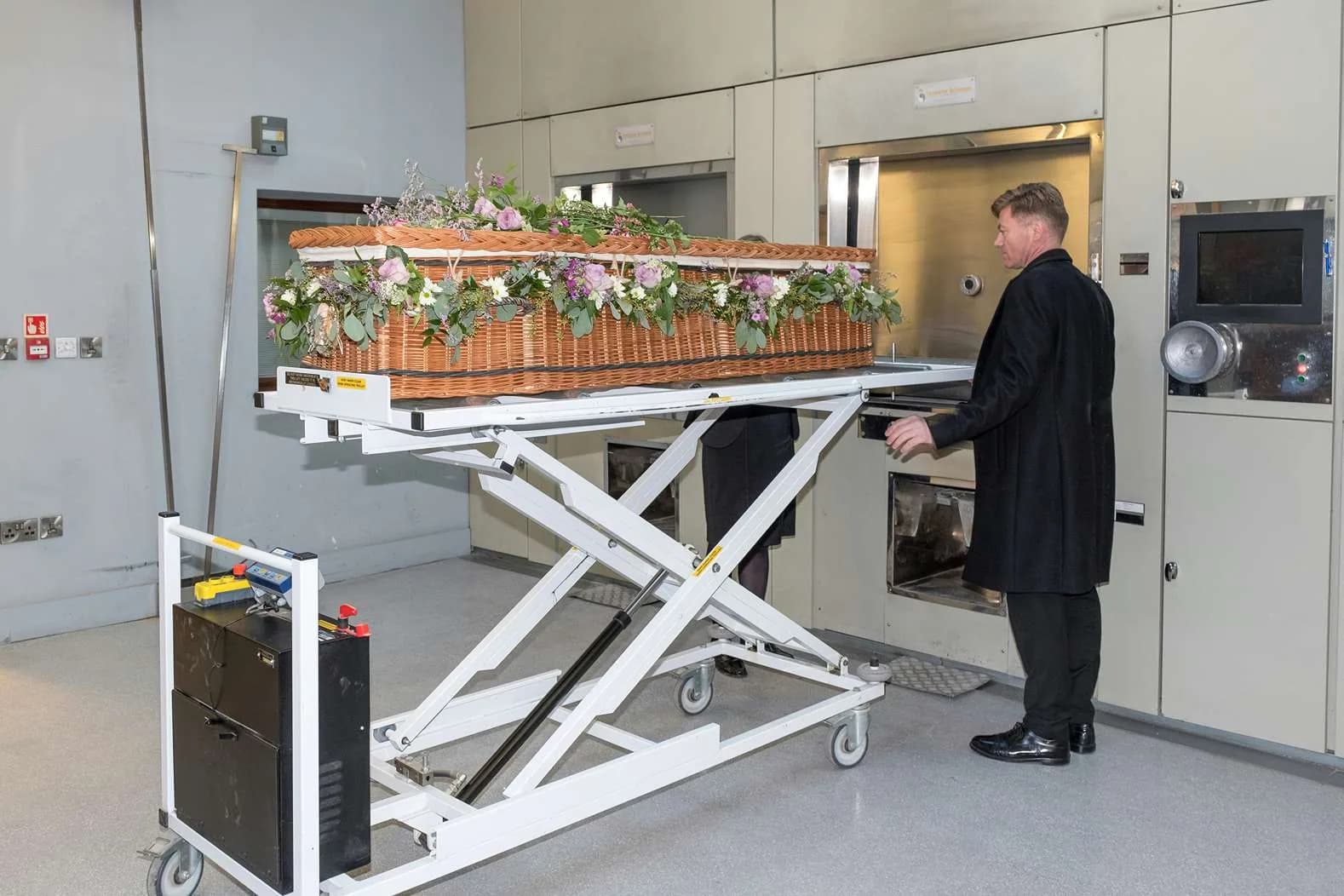
Water cremation, aquamation, also known as alkaline hydrolysis, is a process of cremating the body using water and alkali (usually potassium hydroxide or sodium hydroxide) heated to speed up the breakdown of the body.
In the process, the body is dissolved until only the bones remain, which are then dried and ground into ash, much like the result of traditional cremation. This method is often described as an environmentally friendly alternative because it does not produce carbon emissions that cause air pollution.
Another advantage is that aquamation is considered to use less energy. Aquamation was first used in the medical sector to disinfect animal and human tissue, before being introduced as a general cremation method that the public can use.
According to the Earth Funeral website, this method is also legal in 28 US states and was first approved in 2003 in Minnesota. In addition, as the method has grown in popularity, many families choose it because it is considered more gentle than other methods.
Meanwhile, aquamation services for pets are also growing. The process is the same as aquamation for humans, but carried out on a smaller scale.
How Does Water Cremation Work?
Here is the aquamation process you need to know about:
1. Placing the Body in a Special Chamber
First, the body is placed in a special high-pressure chamber or vessel. The chamber is filled with an alkaline solution and water, then heated to around 160°C, or to a lower temperature of around 98°C.
2. Alkaline Hydrolysis Process
Inside the chamber, the alkaline solution works to break down body tissue into chemical compounds, and the DNA is completely destroyed. This process takes 4 to 6 hours or about 14 to 16 hours, depending on the size of the body and the temperature used.
3. Separating the Bones
Afterwards, the remaining soft tissue that has broken down becomes a sterile liquid that can be discharged through the wastewater system. The remaining bones are then dried and ground into a fine white ash.
4. Returning the Ashes
As with flame cremation, the remaining ashes are returned to the family, who can keep them or scatter them in a place of their choice.
The Medical Perspective on Water Cremation
From a medical perspective, aquamation is often regarded as a hygienic and effective way of caring for the body. The liquid produced by this process is sterile and harmless, so it is safe to discharge. This technology has also been used in veterinary medicine to disinfect tissue remains and medical equipment.
In addition, because no burning is involved, aquamation does not produce toxins or harmful particles, such as carbon monoxide, mercury from dental fillings, or dioxins, which are often a concern in flame cremation.
Comparison of Water Cremation and Flame Cremation
There are several comparisons between aquamation and flame cremation. These comparisons may help you in deciding your choice.
A. Environmental Friendliness
Aquamation is considered more environmentally friendly because it does not produce carbon emissions or harmful particles. Flame cremation, by contrast, uses a lot of fuel and produces carbon dioxide and other pollutants.
B. Energy Consumption
The aquamation process uses about 90% less energy than flame cremation. This makes it a more resource-efficient choice.
C. Final Remains
The ash produced by water cremation is softer and cleaner than ash from flame cremation. This ash is also white because it has not been exposed to burning.
D. Time
Although the aquamation process takes longer, this is balanced by its environmental benefits. Flame cremation, on the other hand, takes less time but is not good for the environment.
E. Cost
Aquamation costs more than traditional cremation because of the equipment and technology used. However, as demand grows, this cost may become more affordable in the future.
Environmental Benefits of Water Cremation
As has been mentioned many times before, the aquamation process offers many benefits for the environment. Here are some of them.
- Without burning, aquamation does not produce carbon emissions or other toxic substances, so it creates no air pollution at all.
- Although it involves water, the process uses a circulation technology that minimizes waste. The end result can also be disposed of safely because it has been sterilized.
- Aquamation does not require a coffin or a grave, which can reduce the need for burial land. For some people, this is an added value, given that land is becoming increasingly limited today.
Religious and Cultural Perspectives on Aquamation
Acceptance of aquamation varies depending on religion and culture. Some religious groups may accept aquamation as an environmentally friendly alternative, while others may have specific rules about how the deceased should be treated.
For this reason, it is important to consider religious views or family traditions before choosing this method. You may also wish to consult a local religious leader first.
Do You Already Know What Water Cremation Is?
In conclusion, aquamation is an innovative technology that offers an environmentally friendly way to care for the remains of both humans and pets. Through a process that is more energy-efficient, free of harmful emissions, and yields a clean final result, aquamation can be a better choice for end-of-life care.
If you are considering a greener and more modern way of honoring your loved ones, you can rely on funeral services and pet bereavement services provided by Kamboja. Of course, besides aquamation, common services such as flame cremation and burial are also available.
You simply choose the service that suits your needs and budget. There is no need to worry, as the funeral services provided are very complete, covering pick-up, preparation, memorial items, and documentation. Let us give your loved one the best farewell together with Kamboja!

Kamboja Blog
The Kamboja team writes guides on bereavement, funeral arrangements and funeral planning to help families in Indonesia.