Mai Song is an important part of the Chinese funeral tradition that is still practiced today. In Chinese belief, the funeral procession is not only about releasing the body forever, but also carries deep meaning.
This ceremony is intended to honor ancestors and guide the spirit of the deceased to the next realm with greater peace. There are also various stages and customs that must be carried out according to tradition and inherited rituals. Read on to learn the complete stages of the funeral!
Procedures and Stages of Mai Song
This ceremony is actually related to several other Chinese traditions, such as Ceng Beng and Sincia. Mai Song begins these traditions and is performed before the body is buried. The general stages are as follows:
A. Initial Preparation
The first stage is the care of the body, carried out with great respect. Generally, the body will be washed and dressed in its finest clothing as a final sign of honor. Here, the choice of clothing cannot be made carelessly.
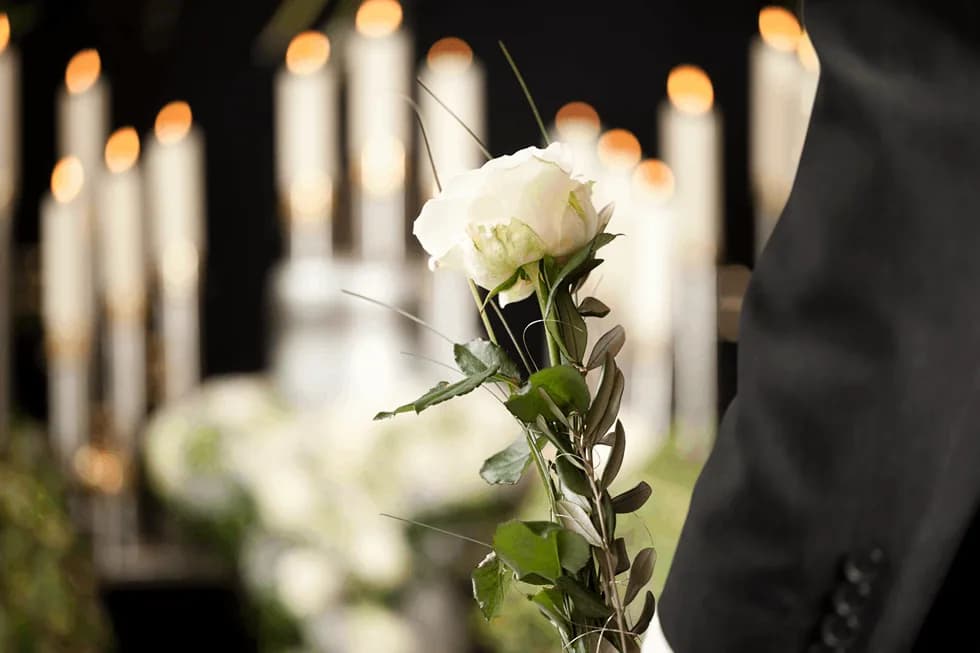
According to some customs, the clothing worn must be suited to the age and social status of the deceased. After this process is complete, the family will set up an altar of honor at the house of mourning. The altar will be decorated with incense and candles, along with various offerings consisting of the deceased's favorite foods.
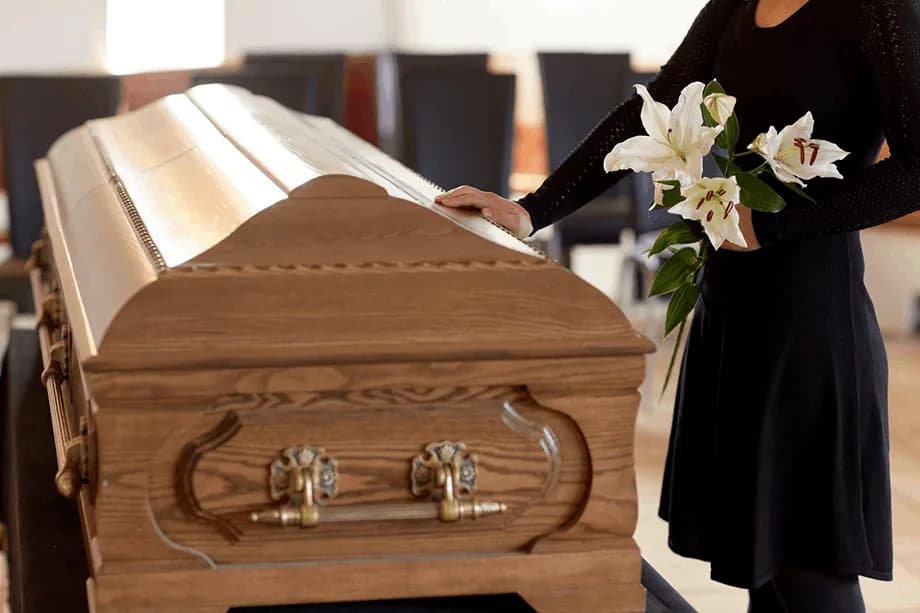
The body is then placed in a coffin with a glass lid, so that everyone can see the face and body of the deceased. The coffin is only closed once all family members are present and have seen the face of the deceased together.
B. Honoring and Prayer
Before the burial process begins, the family and relatives will hold a final ceremony of honor. In this session, they pray and burn special incense. Usually, a Taoist priest or monk will lead the special prayers.
However, within the Mai Song tradition there are actually different beliefs and ceremonies, depending on the faith the family follows. For example, if the family follows Confucianism, there is a belief that the family of the deceased must not bring metal into the coffin.
It is different again if the family adheres to Christianity, where the ceremony generally consists only of reading prayers and speeches of thanks to the mourners and relatives who attend. Relatives will also chat and comfort one another so that they are not too sad during the event.
C. Transporting the Body to Its Final Resting Place
After the ritual of honor is complete, the body is taken to its final resting place. In some Chinese traditions, during the transport, close family members walk behind the coffin as a final sign of respect.
D. Burial and Closing
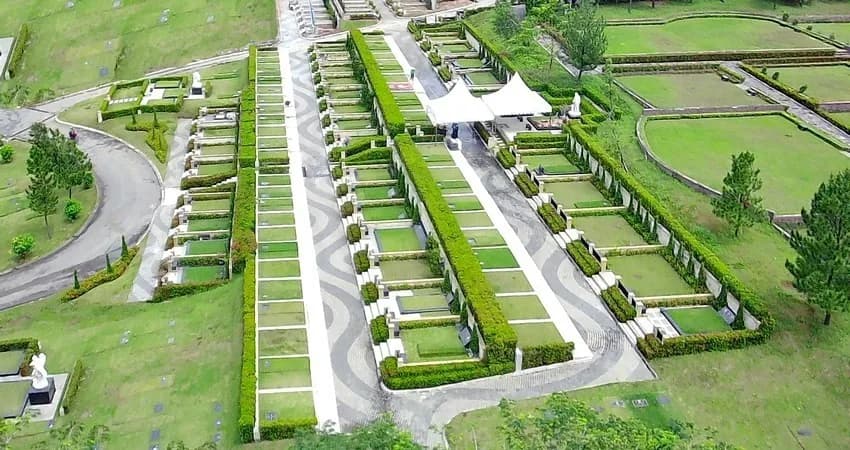
Upon arrival at the cemetery or crematorium, the Mai Song procession reaches its peak. Relatives offer a final prayer, and the family left behind pays their last respects before the body is cremated or buried.
If the body is to be buried directly, the family is invited to scatter the first handful of soil into the grave as a symbol of farewell and release. After the burial, the family still has several follow-up rituals to observe, such as lighting incense at home for the next 49 days.
4 Interesting Facts About Chinese Funerals
Beyond the Mai Song process and stages described above, there are 4 interesting facts about Chinese funerals that you should know. Here they are:
1. The Form of the Headstone Reflects Status
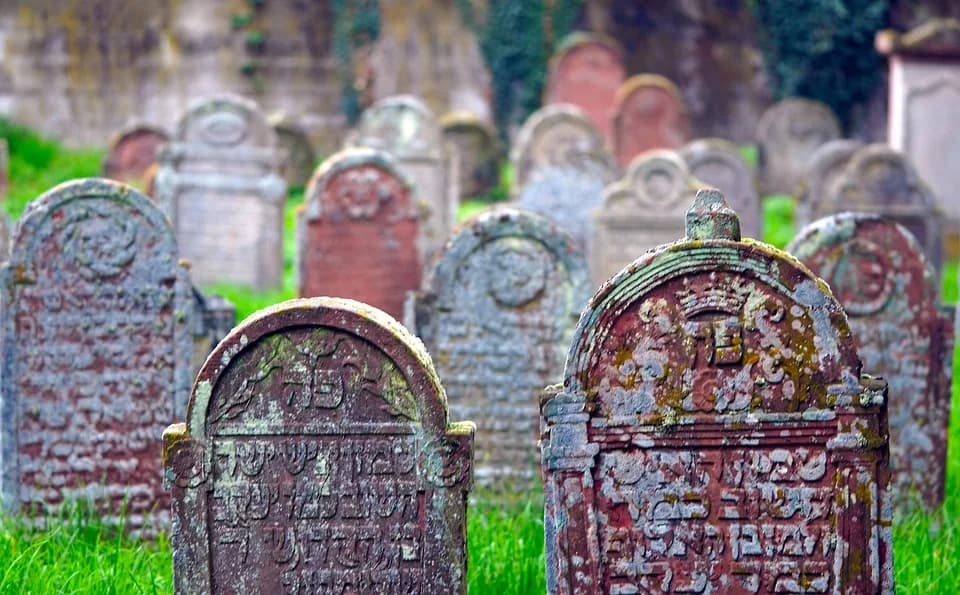
In some Chinese traditions, the headstone is not merely a marker of the grave but also reflects the social status of the deceased. The higher a person's status in life, the larger and more magnificent the headstone.
Some families even choose headstones with intricate carvings and luxurious gold detailing to show respect for their ancestors. In addition, the status of the deceased also determines the size of the grave. The higher the status, the larger the grave.
2. The Length of the Ceremony Depends on Rank or Status
Another fact is that the length of the ceremony, especially the mourning period, depends on the social status of the deceased while alive. The higher the status, the longer the ceremony lasts. For figures of great influence, the ceremony may continue for several days.
This is because families add more complex events or traditions to commemorate the funeral. Meanwhile, for ordinary people, the ceremony tends to be shorter and simpler.
3. Grave Visits After the Lunar New Year
The Chinese community generally does not visit graves before the Lunar New Year celebration. Instead, they have a dedicated time, namely during Ceng Beng, which is connected to the Mai Song tradition. The purpose of the Ceng Beng tradition is for younger generations to learn about their ancestors and their roots.
Ethnic Chinese people come to visit ancestral graves to pray, tidy the grave, and bring offerings. Today, the offerings brought do not have to be special foods but can also be everyday common foods.
4. The Body Does Not Always Have to Be Buried
Perhaps burial in the ground is the most common tradition for our community. However, in some Chinese families, cremation is the most widely chosen option. Generally, the choice of funeral method follows the wishes of the deceased.
There is also a tradition of storing the ashes in a pagoda or ancestral temple. However, the ashes should be scattered at sea or river soon afterward so they can return to nature, since keeping ashes for too long is believed to make the spirit feel confined. This tradition is carried out as a form of respect for the deceased.
Do You Know What the Mai Song Tradition Is?
In conclusion, the Mai Song funeral process, rich in meaning and carried out through a series of rituals, does require careful preparation. Therefore, so that you can focus on the mourning process without being burdened by the technical details of a funeral, using Kamboja's funeral services may be the right solution.
With professional assistance, every step from body care and altar setup to the burial process can be carried out properly and in accordance with custom and belief. Moreover, after the funeral procession is complete, the family does not need to handle legal paperwork such as the death certificate.
Kamboja also provides death certificate processing services that are efficient and fast. This way, you can rest easier knowing that all procedures and documents are being handled. Let us give your loved one the best final tribute by relying on Kamboja!

Kamboja Blog
The Kamboja team writes guides on bereavement, funeral arrangements and funeral planning to help families in Indonesia.