Often Thought to Be Mystical: Here's Why Frangipani Is Always Found in Cemeteries
- dev_kamboja
- (updated )
- 4 min read
If you visit a cemetery in Jakarta, you will almost certainly see frangipani. Its presence is often linked to a mystical atmosphere, but in reality it has nothing to do with that. So why are frangipani flowers so often seen in cemeteries? Read on for the explanation!
Understanding the Biological Facts of the Frangipani
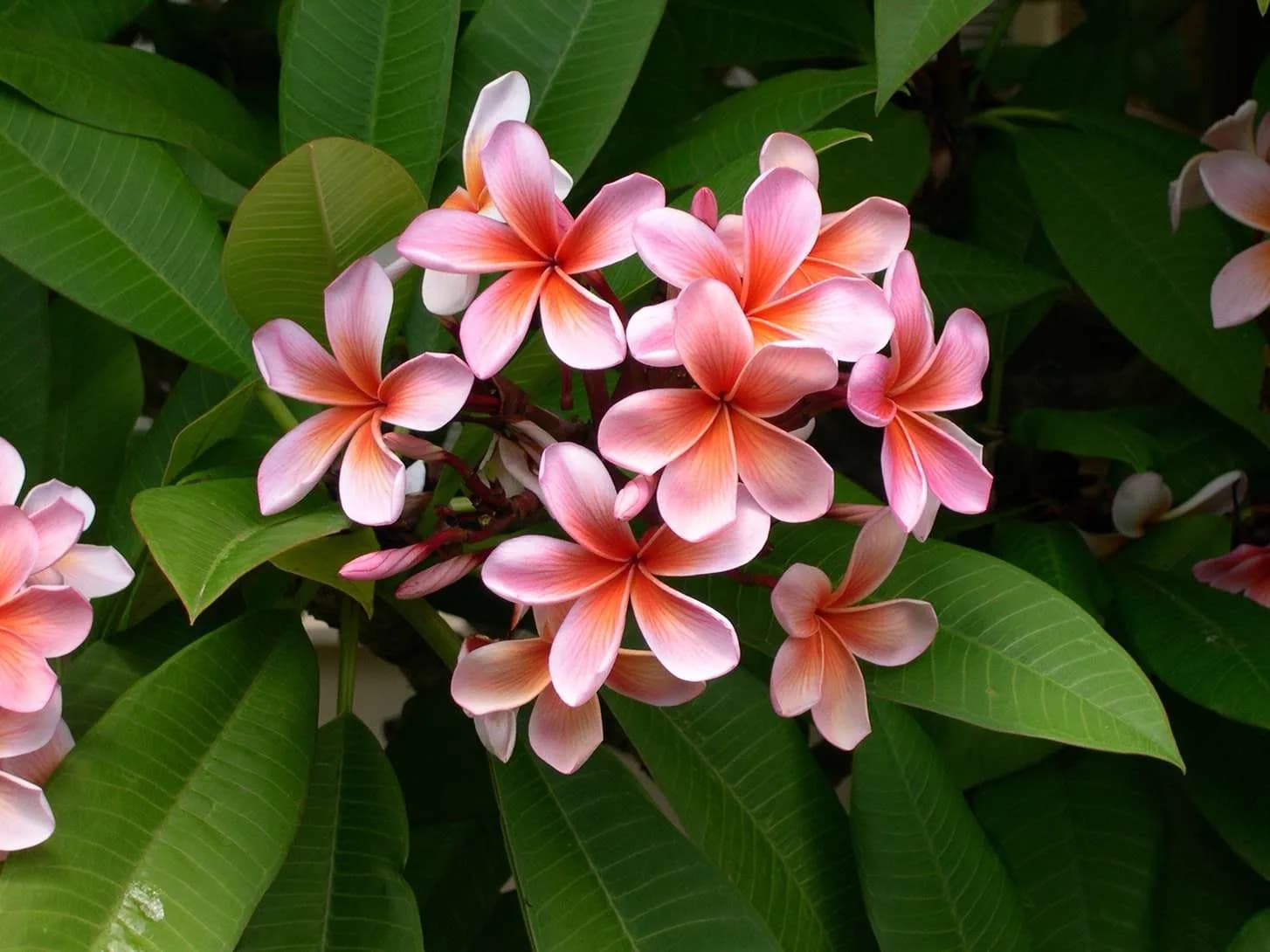
The frangipani, also known as kamboja or bunga semboja, is a flowering plant from the plumeria family. Abroad, it is also called the temple tree or pagoda tree. This plant, which is often found in cemeteries, has fibrous roots, a woody trunk, and broad, pinnate leaves.
A frangipani tree can grow to more than 2 meters tall. It can begin to flower and is considered mature once it reaches a height of about 1 meter.
To thrive, frangipani needs about 6 hours of sunlight per day, which makes it well suited to tropical regions with plenty of sun. The flowers come in many colors, from white with a yellow blush, to pink, to deep purple.
Frangipani also has a distinctive fragrance that is pleasant but not overpowering. In good weather, frangipani grows very quickly, becoming a beautiful, lush tree.
How the Frangipani Came to Indonesia
The frangipani is not originally endemic to Indonesia. It is a plant that came from the United States. During the colonial period, colonizers introduced frangipani species to the archipelago, and it has continued to spread ever since.
Before spreading throughout the archipelago, the frangipani was studied by a French scientist, Charles Plumier, around 1646 to 1706. This research aimed to determine the optimal conditions for the plant and to develop superior seedlings.
After lengthy research, superior frangipani seedlings were ready to be distributed around the world, with tropical countries as the main target. Frangipani can also grow in subtropical or cold countries, but its care must be given extra attention.
Why the Frangipani's Morphology Suits Cemeteries
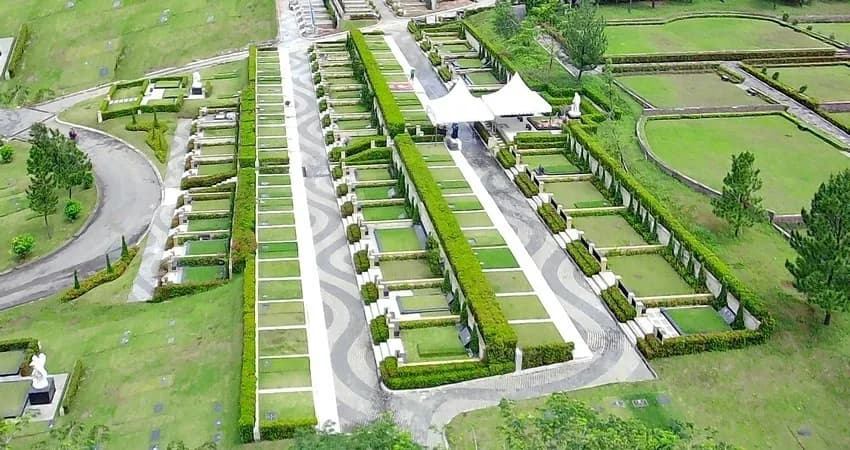
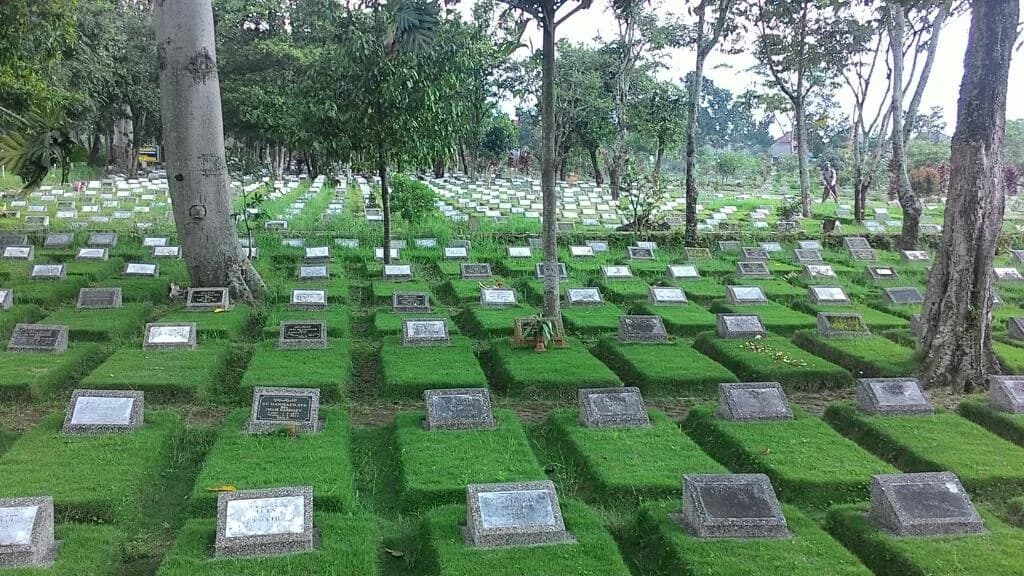
The presence of frangipani trees around graves is not due to strong mystical beliefs. That idea is simply a myth. Apart from that, frangipani is found in cemeteries because its growth characteristics make it very well suited to burial grounds.
Frangipani trees need regular fertilization to grow well. Over time, the remains buried in graves break down into biological compounds, which become natural fertilizer that benefits the frangipani's growth.
In addition, cemeteries have very few buildings, so they are exposed to direct sunlight. This would make visitors uncomfortable. The wide, tall frangipani can provide shade for those who come to visit a grave.
The frangipani also has a distinctive fragrance. This scent is useful in cemeteries to help mask the odor of biological decay. Although fragrant, the frangipani's scent is not too strong, so it is not bothersome and suits a burial ground well.
Frangipani flowers also tend to fall before they wilt, and they naturally drop onto the grave. According to Islamic teaching, the remains in a grave are comforted when fragrance and flowers are placed above them. For this reason, frangipani is very valued.
The Benefits of Frangipani in Cemeteries
Having learned that the frangipani has special characteristics that make it suitable for planting around graves, and that this is not merely a myth, here are some of its benefits:
1. Bringing Good Fortune
In feng shui, the frangipani is believed to bring good fortune to its owner. For this reason, besides being found in cemeteries, frangipani is also often planted in front of homes as a symbol of luck.
2. Purifying Negative Energy
Beyond being a symbol of good fortune and hope, the frangipani is also believed to purify negative energy. This is the second reason frangipani is often seen in front of houses. Feng shui holds that frangipani can absorb negative energy and replace it with positive energy.
3. Providing Shade in Cemeteries
As discussed earlier, scientifically the frangipani's function is to provide shade in a cemetery. Its fast and dense growth makes the burial ground more shaded.
4. Beautifying Cemeteries
Besides providing shade, frangipani trees also help beautify a cemetery. Its brightly colored flowers can make a burial ground more lovely and less somber. The fragrance of the flowers also makes the cemetery more comfortable for visitors.
Now Do You Understand the Meaning of Frangipani in Cemeteries?
That concludes this overview of the function and meaning of the frangipani, which we often see in South Jakarta cemeteries and Central Jakarta cemeteries. It is clear that planting frangipani in cemeteries is not related to mysticism, but rather to aesthetics and practical use.
Speaking of Kamboja, there is event organizer a trusted funeral service that shares its name with the flower. Kamboja is a provider of funeral protection packages and services on-demand funeral service funeral of good quality and at an affordable price. If you want to make funeral preparations easier, Kamboja is the solution!

dev_kamboja
The Kamboja team writes guides on bereavement, funeral arrangements and funeral planning to help families in Indonesia.