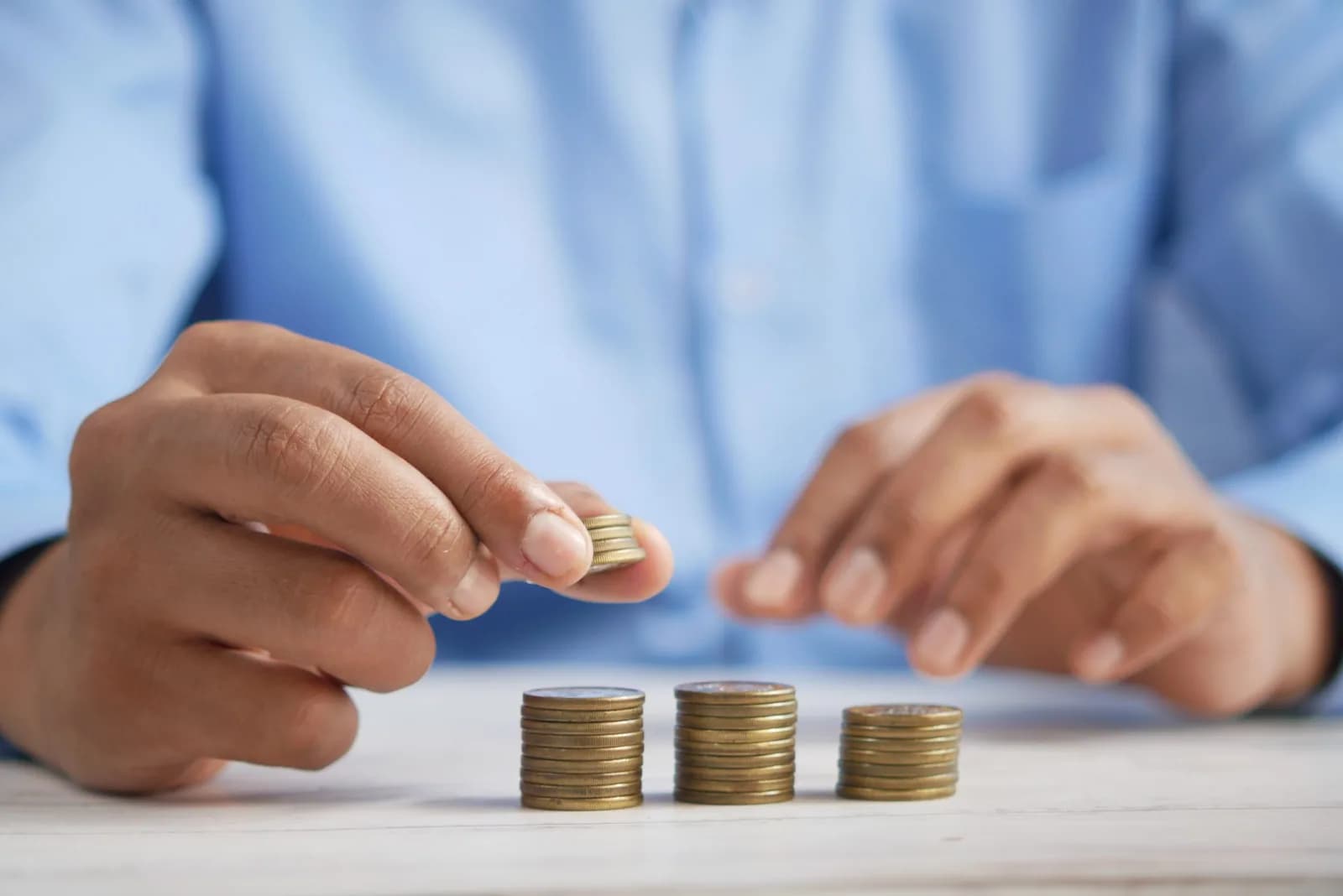
The Covid pandemic, which has yet to subside, has had a negative impact on the global economy, Indonesia included. Many employees have been forced to leave their jobs due to the unstable condition of their companies. That is why it is very important to have an emergency fund and insurance so that your financial condition does not collapse.
Imagine if you suddenly lost your income and had no savings at all. Would you still be able to meet your living needs going forward? That is why you need to set aside part of your income as savings in anticipation of any financial problems in the future.
The Order of Priority: Emergency Fund, Insurance, and Investment
Investment, insurance and an emergency fund are all equally important. However, you need to know which one should be prioritized. Especially if your income is not large, having all three financial products is not a necessity.
If you are still unsure which of these three products should come first, read the brief summary below.
1. Emergency Fund
Why should you have an emergency fund and why is it such a priority? An emergency fund serves as the main foundation of your financial needs. So if something unexpected happens that requires a certain amount of money, the emergency fund can be used to cover that need.
During a pandemic like the current one, it is very important to have an emergency fund. No one can predict when the economy will recover. By having an emergency fund, your financial condition will be more stable and you can avoid a deficit.
If you are still of productive age, do not forget to always set aside part of your income as an emergency fund. Simply adjust the amount to your ability. For those who are single, it is strongly recommended to have an emergency fund equal to 6 times your monthly expenses.
For those who are married, the recommended minimum emergency fund is 12 times your monthly expenses. You can place your emergency fund in several types of financial instruments, such as savings accounts, mutual funds, time deposits, and gold.
Choose instruments with low risk and easy withdrawal. That way, if you ever need a certain amount of money, you can withdraw and use the emergency fund right away.
2. Insurance
Once you have built up a sufficient emergency fund, it is time to move on to the second product, which is also a high priority. Enrolling in insurance is the right step to manage your finances and anticipate greater risks.
The types of this financial product are very diverse, including health, life, accident, and so on. There are many benefits you can gain from this product. For example, if you suddenly fall ill, the premium payments can be used to cover hospital costs.
The same goes for life or death insurance. Your surviving family will receive a fairly large insurance payout. That money can be used by your children later on to continue their lives and meet their needs.
Set aside at least 10% of your income for your emergency fund and for paying premiums. The amount of money used to pay premiums is always fixed. So if your remaining money is larger, it is best to allocate it to your emergency fund or other types of financial products.
There are many benefits you can enjoy by paying premiums regularly every month, such as getting a comfortable inpatient room, easier access to treatment abroad, and many others.
3. Investment
Putting investment as the first priority is one of the big mistakes that many people make. As a result, their financial condition becomes chaotic, because investments are long-term in nature and cannot simply be cashed out.
That is why, once you have an emergency fund and are able to pay your premiums, you can start looking at investments. Investment instruments are very diverse, including property, mutual funds, stocks, and gold. Be wise when choosing property and do not be swayed by trends alone.
The investment you choose must be able to support your desired financial goals, such as savings for retirement, children's education funds, and so on.
Choosing an investment instrument must also be adjusted to your ability. Each instrument has different risks and different chances of profit. If you are looking for investment products with low risk, mutual funds and gold are the right options.
The advantage of these two products is that the capital required is not too large and can be adjusted to your financial condition. In addition, they are easy to cash out. So if you ever need a large amount of money that cannot be covered by your emergency fund alone, this investment can be used.
Tips for Managing Your Finances During a Pandemic
The income you earn is not only used to meet your daily needs. As much as possible, set aside part of your income for an emergency fund, insurance, and investment. During a pandemic like this, it is indeed difficult to obtain additional income.
That is why good financial management is essential so that you do not face financial problems later on. Here are some tips for managing your finances during a pandemic:
1. Make a List of Expenses
One way to allocate your income to various needs is to cut costs. For example, by reducing your monthly grocery spending. Make a list of the items you must buy and those you do not need.
Prioritize the items you really need. That way, the amount spent on monthly shopping can be reduced further. You can save money easily and wisely.
In this way, you can still set aside money for your emergency fund even if your income has decreased during the pandemic.
2. Calculate All Income
Your total income does not necessarily come from just one source. You may have other work to add to your earnings. To manage your finances well, it is best to add up all the income you receive over a month.
After that, allocate the funds to various needs, such as monthly groceries, children's education costs, vehicle installments if any, emergency fund savings, paying premiums, buying investment products, and so on.
That way, all the income you earn can be used to the maximum and all your needs can be met with ease.
3. Prioritize the Emergency Fund
Today's millennial generation prefers to use their money for investment rather than preparing an emergency fund. As a result, their financial condition becomes unstable. Moreover, if an urgent need arises, there is no fund that can cover it in a short time.
It is different if you prioritize your emergency fund every month. Financial management will certainly become easier. When you need money for health or home renovation, you do not have to withdraw your savings or even go into debt.
Simply use the emergency fund you have. The amount to set aside for your emergency fund should be adjusted to your needs. It is advisable to save 10% of your total income to build up your emergency fund.
Besides the emergency fund, insurance is also one of the financial products that deserves high priority. There are quite a few types of this instrument, ranging from health to death coverage. Choose products that suit your ability so that you do not feel burdened by having to pay premiums.

dev_kamboja
The Kamboja team writes guides on bereavement, funeral arrangements and funeral planning to help families in Indonesia.