What Prayers Are Said After Burying the Deceased? Here Are the Answers!
- Kamboja Blog
- (updated )
- 4 min read
Burying the deceased is one of the obligations owed to a person who has passed away, and its ruling is fardu kifayah, meaning that if no one carries it out, everyone in that area is considered sinful. One of the recommended practices at a burial is to recite a prayer after the deceased has been laid to rest.
That is not all. There are other practices that are also recommended after a burial, such as takziah (visiting to offer condolences). The prayers and practices after burying the deceased are explained in more detail below.
Practices After Burying the Deceased
The following practices and prayers after burying the deceased are recommended:
1. Reciting a Prayer
Reciting a prayer after burying the deceased is highly recommended, based on a hadith narrated by Abu Dawud and Al-Hakim, which reads:
كَانَ النَّبِيُّ صَلَّى اللَّهُ عَلَيْهِ وَسَلَّمَ إِذَا فَرَغَ مِنْ دَفْنِ الْمَيِّتِ وَقَفَ عَلَيْهِ فَقَالَ اسْتَغْفِرُوا لِأَخِيكُمْ وَسَلُوا لَهُ بِالتَّثْبِيتِ فَإِنَّهُ الْآنَ يُسْأَلُ
Meaning: "When the Prophet Shallallahu alaihi wasallam had finished burying the deceased, he would say, 'Ask forgiveness for your brother, and pray for him to be made steadfast, for he is now being questioned." (Narrated by Abu Dawud and Al-Hakim)
The First Prayer
The prayer after burying the deceased, based on a hadith narrated by Abu Dawud, is:
اللَّهُمَّ اغْفِرْلَهُ وَارْحَمْهُ نصف المله، اللهم ثبته عند السؤال باقيها
Meaning: "O Allah, forgive him and have mercy on him on one side. O Allah, make him firm when he is questioned (by the angels Munkar and Nakir) on the other side." (Narrated by Abu Dawud)
Alternatively, one may recite the following prayer.
اللَّهُمَّ اغْـفِـرْ لَــهُ
Allahummaghfir lahuu
Meaning: "O Allah, forgive him"
اللَّهُمَّ ثَـــبـِّـــتْهُ
Allahumma tsabbit huu
Meaning: "O Allah, grant him steadfastness"
Both prayers are recited three times, standing or sitting. This is based on Syarh Riyadhus Shalihin, 4/562, which notes that the Prophet shallallahu 'alaihi wa sallam often repeated his supplications three times.
Afterward, he would leave the burial site and not sit after the burial, whether for dhikr, reciting the Quran, or seeking forgiveness.
The Second Prayer
According to the book Al-Adzkar by Imam an-Nawawi, the prayer after burying the deceased is:
When throwing the first handful of earth at the burial, one may recite:
مِنْهَا خَلَقْنَاكُمُ
Minhaa Khalaqnaa kum
Meaning: "From it We created you"
Next, when throwing the second handful of earth at the burial, one may recite:
وَفِيْهَا نُعِيْدُكُمْ
Wa fiiha nu'iidukum
Meaning: "And into it We will return you."
Then, when throwing the third handful of earth at the burial, one may recite:
وَمِنْهَا نُخْرِجُكُمْ تَارَةً أُخْرَى
Wa fiiha nukhrijukum taratan ukraa
Meaning: "And from it We will bring you out once more"
2. Visiting to Console (Takziah)
Besides the prayer after burying the deceased, another recommended act is takziah, visiting to console the family. The word takziah comes from "azza," meaning patience, which shows that its main purpose is to comfort, calm, and encourage patience in grieving families.
Moreover, takziah is not only about comforting the bereaved family but also about easing their burden. For this reason, those who visit to console are encouraged to bring food for the family who has been left behind.
There is no fixed time limit for takziah after a death. Although the mourning period is usually 3 days, takziah can still be done beyond that. This is based on a hadith narrated by Ahmad, which states that the Prophet ﷺ visited the family of Ja'far more than 3 days after his death. The full text of the hadith is as follows.
عَنْ عَبْدِ اللهِ بْنِ جَعْفَرٍ أَنَّ النَّبِىَّ صلى الله عليه وسلم أَمْهَلَ آلَ جَعْفَرٍ ثَلاَثًا أَنْ يَأْتِيَهُمْ ثُمَّ أَتَاهُمْ فَقَالَ لاَ تَبْكُوا عَلَى أَخِى بَعْدَ الْيَوْمِ. ثُمَّ قَالَ ادْعُوا لِى بَنِى أَخِى. فَجِىءَ بِنَا كَأَنَّا أَفْرُخٌ فَقَالَ ادْعُوا لِى الْحَلاَّقَ . فَأَمَرَهُ فَحَلَقَ رُءُوسَنَا [رواه أحمد]
“From Abdullah bin Ja'far, that the Prophet ﷺ waited three days before visiting the family of Ja'far. When he came to them, he said: "Do not weep for my brother after today." Then he said, "Call my nephews to me." We were brought to him looking like young birds. He said, "Call me the barber." He ordered him, and our heads were shaved.(Narrated by Ahmad).
Do You Know the Prayers After Burying the Deceased?
After burying the deceased, it is recommended to pray for the forgiveness of the one who has passed away and to visit the family who has been left behind. For the bereaved family, it is recommended to give the best care in handling the deceased, from washing to burial.
However, losing a loved one certainly brings a great blow to the family left behind, which can prevent the process of caring for the deceased from being carried out fully. For this reason, Kamboja is here to provide funeral management services, so that the bereaved family can focus on mourning.
Kamboja will help manage the deceased's care, including washing, shrouding, and burial. Notably, all equipment such as basins, bathing supplies, burial shrouds, mats, formalin, and coffins for both Muslim and non-Muslim deceased are provided. This way, you can focus on mourning without having to worry about where to buy a shroud or coffin when a death occurs.
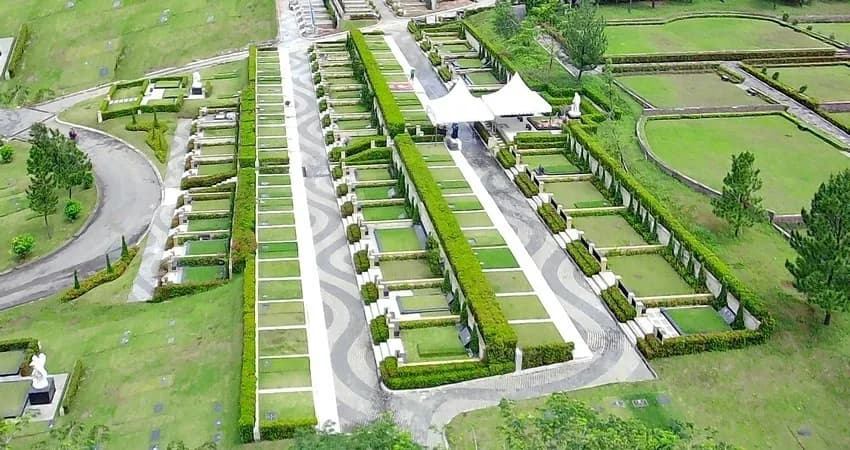
Beyond that, Kamboja also offers premium burial services for those who wish to give their family the finest resting place, namely burial at San Diego Hill Memorial Park and Al Azhar Memorial Garden. To place an order, visit the Kamboja website directly!
- #layanan pemakaman
- #jasa kedukaan
- #manajemen pemakaman

Kamboja Blog
The Kamboja team writes guides on bereavement, funeral arrangements and funeral planning to help families in Indonesia.