The Origin of the Yellow Flag as a Sign of a Death in the Family
- dev_kamboja
- (updated )
- 5 min read
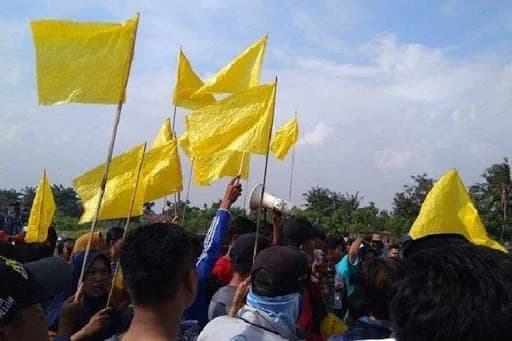
The yellow flag has been used for centuries as a symbol of mourning. Its use dates back to the medieval history of Europe, where the color yellow was associated with illness and grief.
Today, the yellow flag is still used as a warning sign in situations related to mourning. Indonesia is no exception, as seen in funerals in Jakarta. To learn more about the origins of this yellow flag, you can read the full explanation below.
The Origin of the Yellow Flag in Indonesia
Did you know that the first group to use this flag was the Dutch colonial rulers? However, they did not use it as a sign of mourning for those who had died. For the Dutch colonial rulers, the yellow flag was a symbol of quarantine to fight the spread of disease.
Back in the Dutch colonial era, many disease outbreaks spread and claimed lives. The Dutch colonial government ruled that anyone who was ill had to undergo quarantine. They put up yellow sheets bearing the letter Q.
The letter Q was a symbol of "Quarantine" , or isolation for people affected by the outbreak. If there were victims of the disease, the Dutch colonial authorities would hang a flag with the letter Q in front of their home. When the number of victims was very large, the flag was placed at street corners.
Since that time, the people of Indonesia have come to know the yellow flag as a sign that a bereavement had occurred in the neighborhood. A symbol first created by the colonial rulers was later adopted by Indonesians as a part of local tradition, especially in modern times.
The disease outbreaks may have long since disappeared, but Indonesians have kept using that flag color. You could say it has become a way of informing the surrounding community that someone has passed away, without any commotion.
The Color of the Yellow Flag as a Sign of Mourning
For most people, yellow is often associated with happiness, optimism, and a refreshed spirit. For some, however, yellow is linked with jealousy, deceit, and caution. Not to mention, this bright color can easily draw people's attention.
In the previous section, you read that the yellow color on the flag signals quarantine or a death. Yellow carries the meanings of alertness and attracting attention. For that reason, this color allows the mourning flag to warn the neighbors.
As additional information, you should know that the people of Solo City do not use yellow flags but red ones to indicate someone's grief. In Makassar City, local residents use white mourning flags, as do the people of Kalimantan island.
There are no strict or absolute rules governing the choice of color for marking a person's death or for their funeral. The color of the flag as a sign of mourning usually depends on local tradition.
Mourning Colors in Other Countries
It is not only people in Indonesia who use particular colors as a sign of mourning. Other countries also have color choices for marking a bereavement. Even so, they rarely raise flags for funerals. Here is an overview:
1. China
China uses white as the color of mourning. People in the country prepare an all-white mourning event. Candles, tablecloths, covering cloths, and the mourners' clothing are all white.
2. Egypt, North Africa
Egypt, in North Africa, also uses yellow as a sign of mourning, just like Indonesia. The difference is that they do not hang yellow flags to inform their neighbors. Instead, they attend the funeral wearing yellow clothing.
3. Europe and the United States
Meanwhile, in European countries and the United States, black is chosen as the mourning color. You can see this in the mourners' clothing, the coffin covers, and the hearses. They regard black as a symbol of loss and tragedy.
4. Korea
Just like European countries and the United States, Korea also chooses black as its mourning color. Whenever someone passes away, the family and every guest who comes will
wear black clothing.
5. Japan
In Japan, people wear dark clothing as a symbol of grief, such as black, dark blue, and gray. They are expected to wear dark clothing from head to toe.
The Islamic View on the Yellow Flag
Since the majority of Indonesians are Muslim, you may have wondered what the Islamic faith says about raising a flag as a sign of mourning, especially a yellow one. This is because the Qur'an contains no explanation of mourning flags.
At first glance, the custom of using yellow flags for funerals may seem like bid'ah, a new practice that has been invented. Even so, a number of Indonesian cultural figures, such as Yahya Andi Saputra, state that there are traditional Indonesian values attached to the color of this flag.
According to him, the color yellow carries the meaning of closeness of soul and spirit with Almighty God. There is also a second meaning, namely nobility, ethics, and morality, which we must uphold to preserve the unity of the Indonesian nation and state.
In terms of color, Islam does not make an issue of the colors people use as a sign of mourning. The most important thing is that the funeral flag does not contain writing, symbols, or other elements that come from religions outside of Islam.
Do You Know the Origins of the Yellow Flag Used at Funerals?
This is a detailed explanation of the yellow color found on the flag used for funeral ceremonies. Do you need funeral event organizer services for managing a funeral in Central Jakarta or South Jakarta? Kamboja is the best solution for handling your needs. event organizer funeral services for managing a funeral in Central Jakarta or funeral in South Jakarta? Kamboja will be the best solution for handling your needs.
Kamboja is Indonesia's first funeral protection provider, offering solutions for trusted funeral protection arrangements that are also affordable for you and your family.
Kamboja's professional team is on standby 24/7 to receive reports of bereavement and to handle everything from arrangements to the funeral you may need in the future. To discuss further, you can contact Kamboja's contact details.

dev_kamboja
The Kamboja team writes guides on bereavement, funeral arrangements and funeral planning to help families in Indonesia.