When we look at life as it is today, the saying "Nothing in this world is free!" fits perfectly. The costs we face are not only for keeping ourselves alive, but also when we pass away, since we still need to pay for things such as the cost of preparing a grave.
In the past, there was plenty of empty land available, but this is very different today, especially in big cities like Jakarta. So, do you know roughly how much burial arrangements cost?
Understanding and Types of Burial
As living beings, we will certainly pass away and return to our Creator. For this reason, it is only right that we think about the preparations needed before our time comes. One of them is arranging the burial, along with the funeral costs that must be managed.
This is important to prepare for, because arranging a burial is not as simple as it might seem. There are several important matters that must be handled during the burial process.
In general, a burial is understood as a series of processes for interring a body, which includes various matters from administrative tasks to arranging the grave location for the deceased. In this sense, burials are also divided into two types: public burials and private burials, and the two differ quite significantly.
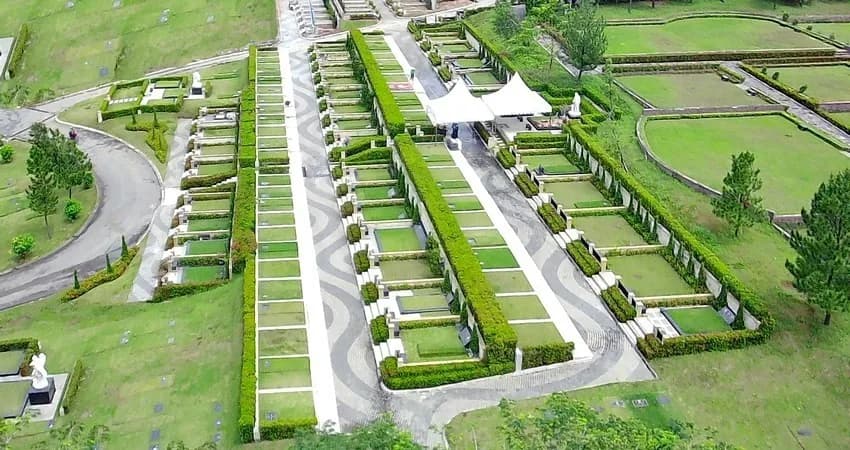
Public burial, often known as a Tempat Pemakaman Umum (TPU, public cemetery), is managed by the regional government. Private burial, often called a premium cemetery, is managed by private parties. What distinguishes the two types is the price and the fees charged to the family of the deceased.
Difference in Costs: Public vs Private Cemetery Fees in Jakarta
Basically, cemetery fees between TPU and private cemeteries in Jakarta are quite different.
This usually depends on the management and the facilities available at each cemetery. To help you understand the difference in fees between TPU and private cemeteries, read the explanation below.
Public Cemetery Fees
Under DKI Jakarta Regional Regulation (Perda) No. 1 of 2015 on Regional Levies, the management of public burials in Jakarta is set at a maximum cost of IDR 275,000.
This amount includes land rental for 3 years, ranging from IDR 0 to IDR 100,000, ambulance rental of IDR 100,000, and the use of body care equipment of IDR 75,000.
Land rental is usually divided by block category with a term of 3 years. If it is not extended, the plot can be used for a new deceased person. However, if the lease is to be extended, a fee of 50% of the initial levy rate is required.
Private Cemetery Fees
Unlike public cemetery fees, private cemeteries usually have considerably higher prices. This is understandable, since the private parties managing these cemeteries do not only provide a grave pit.
They also provide burial grounds with organized, well-designed layouts. The fees charged usually include maintenance and 24-hour security.
Fees for private burials typically range from millions to hundreds of millions of rupiah. This is very different from the public cemetery fees above, isn't it?
How Do You Arrange a Burial?
Having learned about the costs of preparing a grave for public and private cemeteries above, you are probably curious about how the burial process itself works, aren't you?
In principle, the Jakarta Provincial Government has already implemented an online system for applying for permission to use land as a burial site.
However, to avoid brokers who only seek large profits, it is better to know the procedures and steps for arranging a burial.
The procedures and steps for arranging a burial are as follows:
A. Prepare the Important Documents First
One of the first procedures is to prepare the important documents. The documents needed for the burial process include the Identity Card (KTP) and Family Card (KK) of the heir or applicant, the KTP and KK of the deceased, a cover letter from the sub-district office (kelurahan), a body examination letter from a health facility such as a hospital or Puskesmas (community health center), and a death certificate from the sub-district office.
B. Visit the Public Cemetery (TPU) Office
Once all the required documents are complete, the applicant must visit the public cemetery (TPU) office. This is to find the grave plot to be used and the cemetery staff who will assist later. At this stage, the family or heirs will usually receive a cover letter to the sub-district one-stop service office (PTSP).
C. Visit the Sub-District PTSP Office
The next step is to visit the sub-district PTSP office. The purpose is to obtain the SKRD (Regional Levy Assessment Letter), which corresponds to the block and plot to be used for the grave. For this, the family or heirs can complete registration and data verification through the online TPU system at the sub-district PTSP office.
D. Pay the Levy at Bank DKI Jakarta
Once these steps are done, the next step is to pay the levy, usually at Bank DKI Jakarta. After payment is completed, the family or heirs will receive a validation number, which must be returned to the PTSP to obtain the IPTM (burial permit). This IPTM is usually valid for three years and can be extended.
E. Go Directly to the Nearest TPU
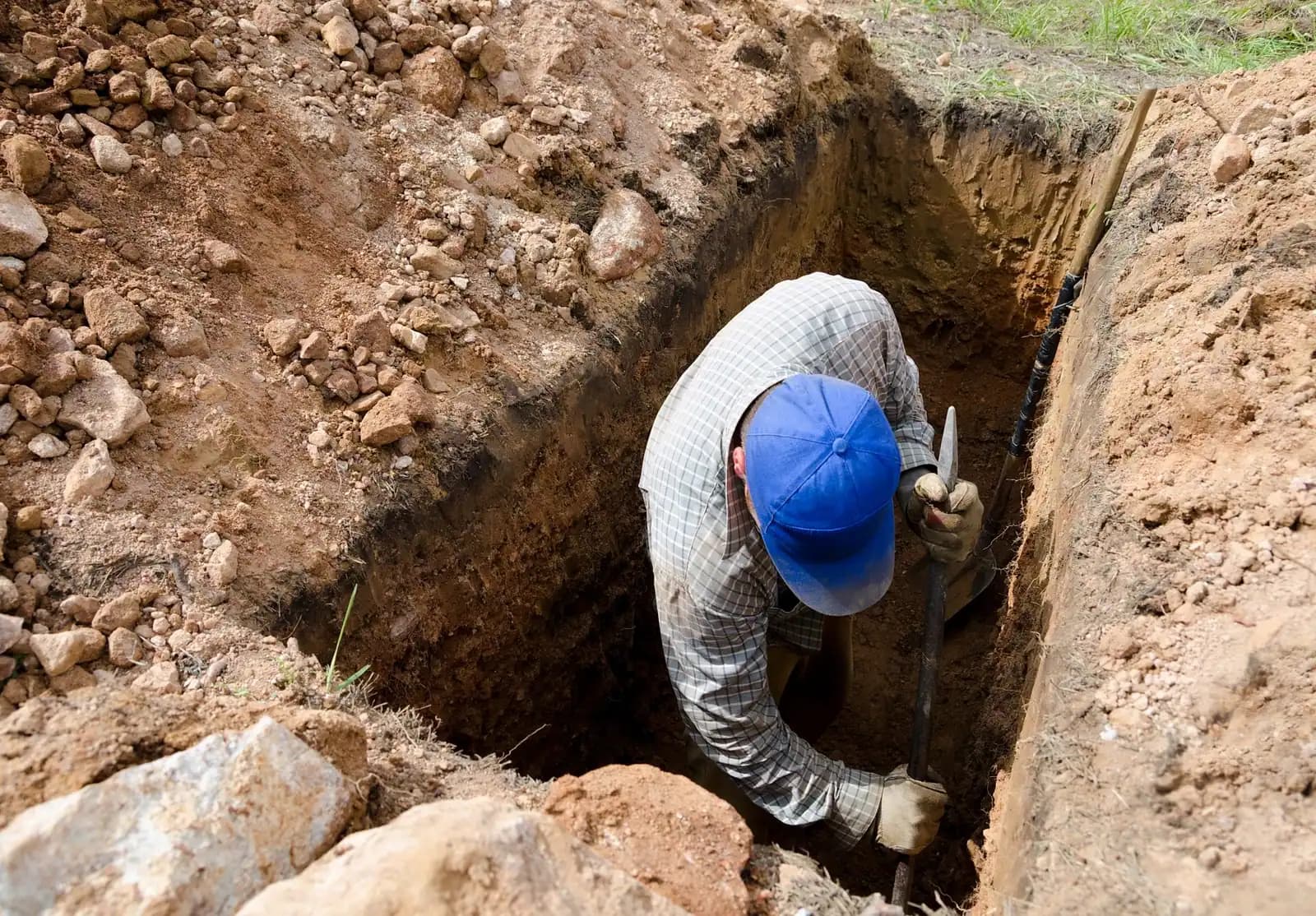
In the final step, the family or heirs simply go to the nearest TPU. The TPU usually also provides burial services free of charge, with various facilities available, such as tents, chairs, a sound system, and grave digging and covering services.
Now You Know the TPU Costs in Jakarta, Right?
That concludes this important overview of grave preparation costs, both for TPU and private cemeteries, which is worth knowing and understanding well. To support security and peace of mind, you can also take advantage of Kamboja's burial protection package, offered at an affordable price.
Kamboja is a funeral service that not only provides a full range of burial services but also offers burial protection packages at affordable prices. These packages are designed to give you and your family protection and ease in facing emergency situations. With Kamboja, you can plan all your burial needs without worrying about sudden costs, because everything is included in the protection package we offer. Contact Kamboja for more information and find a burial solution that suits your needs.

dev_kamboja
The Kamboja team writes guides on bereavement, funeral arrangements and funeral planning to help families in Indonesia.