When someone passes away far from their hometown, families usually want the body brought home so it can be laid to rest in a dignified place, close to their loved ones. However, long-distance transport presents a major challenge: keeping the body safe, presentable, and dignified until it reaches its destination.
This is why preserving the body with formalin by trained professionals matters so much. Without this care, the risk of changes to the body is very high, especially when the journey takes hours or even days.
In this article, we will cover in full and in plain language what embalming is, why formalin is so important, what standard concentrations are commonly used, and the procedures involved.
What Is Body Embalming?
Embalming is the whole series of steps taken to care for the body after a person has died. It is carried out to:
- Preserve the dignity and cleanliness of the body
- Slow down the process of decomposition
- Reduce unpleasant odors
- Prepare the body so it is suitable for a wake, for family to view, or for transport to a distant place
Practices vary depending on religion and tradition, but for long-distance transport, medical embalming is usually added for safety and to meet transport standards.
Why Does Long-Distance Body Transport Require Formalin?
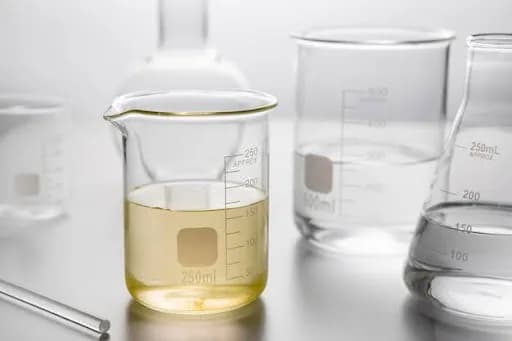
Formalin is a solution containing formaldehyde, commonly used in medicine to preserve body tissue. When a body must be transported far, natural decomposition continues and can even speed up because of temperature, humidity, and the length of the journey.
Without the use of formalin for bodies or embalming, there are risks of:
- Swelling of the body
- Leakage of body fluids
- Worsening odor
- Potential health risks for the staff or others handling the body
- Airlines usually do not allow the transport of bodies that have not been embalmed
So the use of formalin is not merely an additional procedure but an absolute requirement to keep the body safe, dignified, and fit for a long journey.
Recommended Formalin Concentration Standards for Body Transport
In the funeral servicesindustry, there are common standards for the formalin concentrations used in embalming or preservation of bodies:
1. 10% Formalin Concentration
This is the most commonly used concentration in the main injection solution (arterial fluid). This concentration is sufficient to halt bacterial activity and slow decomposition for several days to weeks.
2. 20–30% Concentration for Specific Areas
Vulnerable parts of the body, such as the abdominal cavity, chest cavity, or open wounds, require a more concentrated formalin solution to ensure maximum preservation.
3. Additional Substances
Besides formalin, embalming solutions usually also contain:
- Humectants (to keep the skin from drying out too much)
- Disinfectants (to prevent remaining bacteria)
- Dyes (to give a natural color so the body looks better when viewed by family)
4. Airline and Hospital Requirements
Many international airlines require that a body to be shipped must:
- Have been embalmed
- Not emit any odour
- Not contain excessive fluid
- Be placed in a special coffin
Under these standards, formalin must not be used carelessly and may only be applied by trained professionals.
Preparation and Embalming Procedures by a Professional Team
The following are the steps for preserving a body with formalin, carried out by professionals:
1. Initial Assessment (Pre-Procedure Assessment)
At this early stage, the professional team will examine the condition of the body thoroughly to determine the safest and most effective embalming method.
They check the time of death, whether the body tissue is still normal or has begun to decompose, whether there are any illnesses that require special treatment, and whether there are wounds or areas of the body that need additional formalin.
2. Cleansing and Disinfection of the Body
After the assessment, the body is washed with antiseptic soap. This step aims to remove bacteria from the surface of the skin, clean away dirt or bodily fluids, and preserve the dignity of the deceased before the more technical medical process begins.
This stage is the foundation of the preparation process and an important step before embalming is carried out.
3. Closing the Eyes and Mouth, and Positioning the Body
Next, the team tidies the face and body so that they look more natural and dignified when the family sees the deceased. The eyes are usually closed using cotton or a special device called an eye cap, while the mouth is shaped and then closed using mortuary wax or fine sutures.
The hands and feet are also arranged neatly. This stage is especially important if the body will be viewed before being sent elsewhere.
4. The Embalming Process
This stage is the core of the entire process, because embalming aims to preserve the body for longer and slow down decomposition.
a. Arterial Embalming (Through the Blood Vessels)
In this process, 10% formalin solution is circulated through a major artery, usually in the neck or groin. The old body fluids then drain out through a vein so that the body tissue can absorb the preservative fluid properly.
This process usually takes 1–2 hours and serves to stabilise the body tissue from within.
b. Cavity Embalming (Internal Cavities)
Once the external part is complete, the team preserves the body cavities such as the chest and abdomen. The organs inside these cavities decompose more quickly and therefore need special handling.
At this phase a device called a trocaris generally used: fluids and gases inside the body are drawn out, and then a more concentrated formalin solution of 20–30% is introduced. This stage ensures that the inside of the body is also preserved as thoroughly as possible.
5. Stitching, Finishing, and Cosmetic Care
Once all the embalming stages are complete, the team sews back up the areas that were opened earlier so that the body looks neat. The skin is given lotion so that it does not appear too dry and, if needed, light make-up is applied to make the deceased look more natural and presentable to the family.
This stage is particularly important before long-distance transport or before the farewell ceremony at the funeral home.
6. Wrapping the Body
After the body has been tidied, it is wrapped in several layers to maintain cleanliness and safety during transport. The wrapping may consist of a burial shroud according to beliefs, leak-proof plastic, and absorbent material to anticipate any leakage of body fluids.
7. Placement in the Coffin and Securing
For long-distance transport, the deceased will be placed in a special coffin such as a wooden coffin, zinc coffin, or double-layer coffin, especially if airline standards are followed.
The coffin must be fully airtight, able to withstand pressure, not prone to leaking, and capable of being sealed tightly. Once the coffin is closed, staff will seal it and attach important documents such as the death certificate, embalming certificate, body transport permit, and health documents in accordance with the regulations of the destination country or region.
8. Shipping and Transport Procedures
In the final stage, the deceased is carefully moved using a hearse or special vehicle to the airport or shipping point. During the journey, the deceased is kept at a low temperature and care is taken to ensure there is no leakage or disruption.
The staff handling the transfer wear full personal protective equipment for safety. Upon arrival at the destination, the deceased will be handed over to the family through a strict verification process to ensure that everything matches the identity and documents on file.
After that, the family can directly arrange the deceased with the funeral service for the funeral process.
Arranging and Shipping a Deceased Loved One Made Easier with Kamboja Services
It is important to remember that the preparation and embalming process requires meticulousness, experience, and high medical standards. That is why families often feel overwhelmed when they have to handle everything on their own.
Kamboja is here as a complete solution through body cargo service and body handling service that are professional, so families do not need to worry about managing documents, medical handling of the deceased, or long-distance shipping.
Everything is handled by an experienced team that ensures the deceased arrives safely, respectfully, and with dignity at the destination. For consultation or immediate assistance, please contact Kamboja Customer Service via WhatsApp at +6282211111415 or +6281513532488.

Kamboja Blog
The Kamboja team writes guides on bereavement, funeral arrangements and funeral planning to help families in Indonesia.