When someone passes away far from their hometown, families naturally want to make sure the repatriation of the body goes smoothly, safely, and in accordance with procedures. However, many people do not know that body transport is actually divided into regular body cargo and special/contaminated body cargo.
Both go through strict procedures, but they differ in several significant technical ways. Understanding these differences is essential so you can determine which service is most appropriate and safe for the condition of the body being repatriated. Let's look at the details here.
What Is Regular Body Cargo?
Regular body cargo is the transport of a body that carries no risk of transmission, is not contaminated with chemicals, and does not fall under specific disease categories regulated by the Ministry of Health or airlines.
These are usually bodies resulting from non-infectious causes, such as:
- Accidents
- Non-communicable diseases
- Certain medical conditions that do not pose a risk of transmission
- Old age or other natural causes
What Is Special or Contaminated Body Cargo?
Special body cargo is the transport of a body that carries a risk of transmission, has been exposed to hazardous substances, or resulted from certain diseases classified as hazardous under national and international health standards.
Examples of bodies in this category include:
- Deaths from infectious diseases (active TB, Covid-19, MERS, certain hepatitis types, and others)
- Bodies contaminated with hazardous chemicals
- Bodies requiring special autopsy and handling of biological materials
- Certain criminal cases requiring additional sterilization standards
Key Differences Between Regular and Special Body Cargo
Here are some of the main differences between regular and special body cargo.
A. Document Requirements
In general, the documents required for regular body cargo are simpler, namely:
- Death Certificate from the hospital.
- Body Transfer Letter from the police or the village/subdistrict office (depending on local regulations) / Permit from the Funeral Office.
- Non-infectious Certificate from a doctor.
- Identification of the family and the deceased (ID card or passport).
- AWB documents for the body cargo shipment.
These documents serve to confirm that the body is safe to transport, poses no health risk, and that administrative processes comply with the law.
Special body cargo, on the other hand, requires more documentation, because it must confirm that the body has been made safe and that procedures have been followed before it is flown. The required documents are:
- Cause of Death Certificate.
- Certificate of Infection or Contamination, especially if the person died from an infectious disease.
- Disinfection Statement from the hospital or laboratory.
- Special Body Transport Permit in line with health quarantine standards.
- Standard documents such as identification and the death certificate are still required.
B. Handling Procedures for the Body
Handling a regular body is relatively simpler, in that:
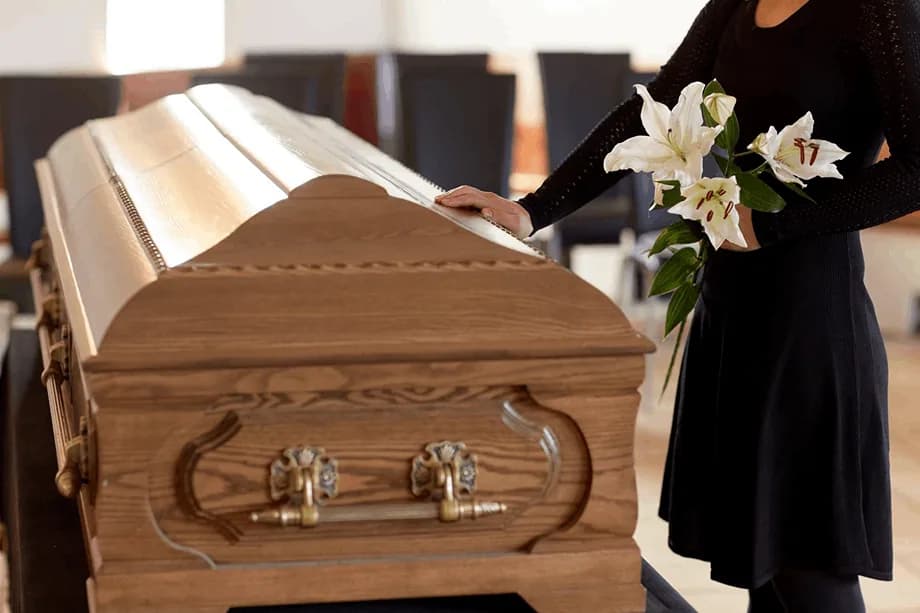
- A standard coffin is used (usually made of wood with a protective lining).
- Full formalin treatment is not always required, although it is usually still applied to keep the body preserved during the journey.
- Airlines typically only require that the coffin be confirmed as airtight, but do not require a special coffin like the one used for contaminated categories.
- Standard body cargo usually does not involve complicated additional procedures, so the cost and processing time tend to be quicker.
Special handling of bodies, on the other hand, involves more complex technical requirements, such as:
- The body must be placed in a special coffin that meets international standards. These coffins typically have a metal/zinc lining, must be airtight, sealed specially, and have a structure that resists pressure.
- The body must be embalmed with formalin or go through a special preservation process in line with WHO standards.
- The body must be placed in a leak-proof, thick, and certifiedbody bag.
- The coffin will undergo special screening (X-ray) by the airline or airport.
- The coffin must go through thorough disinfection before it is flown.
- Airlines usually require a label indicating that the body falls under the special category.
- The price is relatively higher because it requires fulfilling various handling procedures. This means that the cost of body cargo to all regions in Indonesia is also likely to be higher.
Why must the handling be so strict? Because there are health risks for the body cargo service, other passengers on the aircraft (through the cargo cabin), and even airport crew. In addition, international standards require these measures to prevent the spread of disease across borders.
How Is the Category Determined?
Deciding whether a body falls under the standard or special category must not be done carelessly. Several criteria are used:
1. Cause of Death
The cause of death is the main reference point. If the person died from a non-infectious illness, the body usually falls under the standard category. Conversely, if the cause of death is a contagious infection, the body must be treated as the special category.
Some diseases commonly classified in this category include Covid-19, active tuberculosis, certain types of hepatitis, severe dengue fever, and zoonotic.
diseases.
2. Exposure to Chemicals or Hazardous Materials
3. Condition of the Body
If the body has suffered severe damage, decomposition, or certain trauma requiring a high-strength coffin, the special category usually applies.
4. Airline Rules and Destination Country Regulations
Some countries set strict standards for certain bodies, so even if they are medically non-contagious, they still fall under the special category when sent overseas.
Kamboja's Complete Service: From Arrangements to Repatriation, Without the Hassle
By understanding the difference between standard body cargo and special handling, families can choose the service that best ensures the repatriation process runs safely and in accordance with procedures.
To make all these needs easier, Kamboja provides a complete range of services, from body cargo services, body arrangement services, to funeral services. With integrated services, families do not need to worry about administration, logistics, or complicated technical processes.
For consultations and quick assistance, please contact our WhatsApp customer service at +6282211111415 or +6281513532488.

Kamboja Blog
The Kamboja team writes guides on bereavement, funeral arrangements and funeral planning to help families in Indonesia.