The Islamic Ruling on Crying for the Deceased: Is It Permitted?
- Kamboja Blog
- (updated )
- 5 min read
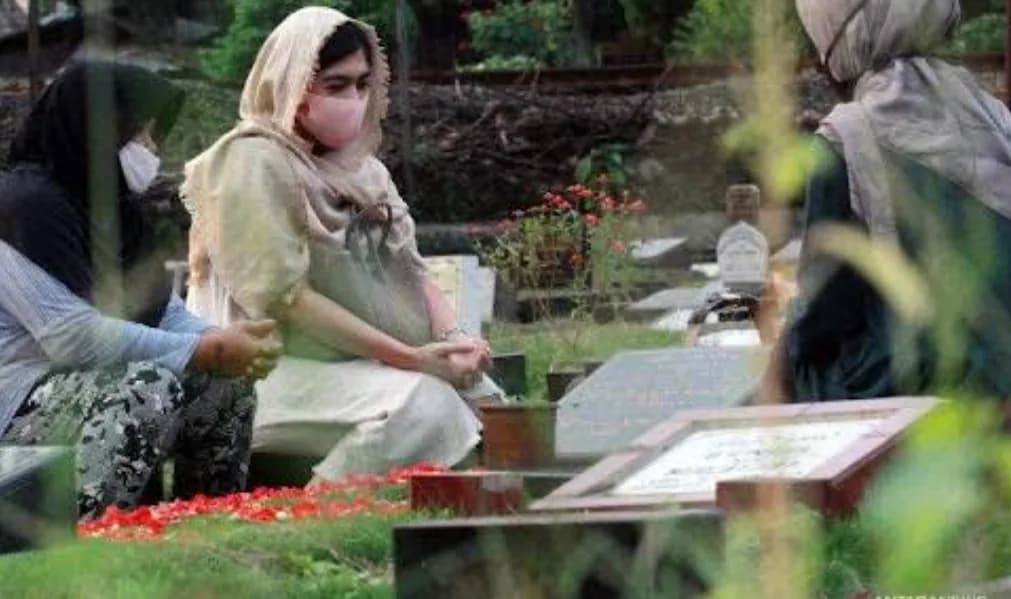
Losing a loved one is an incredibly painful moment. When a family member, friend, or someone close passes away, sadness often cannot be held back, and tears fall on their own. Many people then ask, what is the true ruling on crying for the deceased in Islam? Is it permissible to cry when seeing the body? Or is it actually prohibited?
Questions like these come up often, because many people are still unsure how to distinguish natural tears from excessive weeping according to Islamic teachings.
The Ruling on Crying for the Deceased in Islam
In Islam, crying for the deceased is actually permissible as long as it is done naturally and not excessively. Crying out of sorrow when losing a loved one is a human response. However, Islam distinguishes between ordinary weeping and wailing.
Wailing is excessive crying accompanied by lamentation, screaming, or an attitude of refusing to accept God's decree (SWT), and this is what is discouraged.
In fact, the Prophet Muhammad (SAW) also wept when his son Ibrahim passed away. Several narrations mention that the Prophet's tears flowed while he accompanied his son at the end of his life, and when he attended the burial of his daughter.
This shows that weeping out of sadness and loss is not forbidden in Islam. As long as one remains patient and guards their words, crying over the deceased is permitted as an expression of love for the one who has passed away.
Is It Permissible for Tears to Fall on the Body?
Many people still believe that tears falling on the body can burden the journey of the deceased. However, Islamic teachings contain no specific prohibition stating that tears falling on the body are forbidden or sinful.
Crying when seeing a loved one who has passed away is a natural human reaction born of sorrow, loss, and deep affection. Islam permits natural weeping as long as it is not accompanied by excessive lamentation, screaming, or words that blame God's decree (SWT).
This shows that sadness and tears are human and are not prohibited in religion. So if someone weeps until their tears fall near or on the body, this is not a problem as long as it is done sincerely and etiquette is maintained.
What matters more in Islam is increasing prayers, asking forgiveness for the deceased, and paying final respects with sincerity and patience.
Permissible Forms of Weeping in Islam
Here are some forms of weeping that are permitted in Islam. In general, Islam recognizes that sorrow when losing a loved one is a human experience. Therefore, crying is not forbidden as long as it is done naturally and patience is maintained.
1. Crying Out of Sorrow and Loss
In Islam, crying out of sadness when losing a loved one is permitted. Tears that come naturally are an expression of love and human grief.
The Prophet Muhammad (SAW) himself also wept when family members passed away. This shows that Islam understands the sadness a person feels when facing loss.
2. Weeping Without Excessive Lamentation
Islam permits weeping that is done calmly and without excess. This means a person may cry as long as it is not accompanied by screaming, hysteria, or words that blame God's decree (SWT).
Weeping of this kind is regarded as a natural emotion and does not contradict Islamic teachings.
3. Not Blaming God's Decree (SWT)
In times of grief, a Muslim is encouraged to remain patient and to accept the qada and qadar of Allah (SWT) sincerely.
Therefore, permissible weeping is weeping that is not accompanied by excessive complaint or anger toward God's decree. Islam teaches that every human being will surely return to Him.
4. Excessive Wailing Is Not Encouraged
Islam forbids wailing or excessive crying that shows a lack of acceptance of someone's death. Hadith of the Prophet Muhammad (SAW) mention that wailing can become a burden for the deceased.
For this reason, Muslims are encouraged to increase prayers and ask forgiveness for the deceased rather than lamenting their departure excessively.
5. Increasing Prayers for the Deceased
Besides weeping, the best way to show love for someone who has passed away is to pray for them.
Prayers, charity, and good deeds offered on behalf of the deceased are believed to be more beneficial and are a recommended expression of love in Islam.
The Importance of Funeral Services
When losing a loved one, the family's emotional state is usually unsettled. Sadness, confusion, and exhaustion often make it difficult for families to handle the entire funeral process alone. Yet there are many things to prepare, from caring for the body and funeral supplies to administration and the funeral procession itself.
For this reason, professional funeral services are very helpful so that families can go through the period of grief more calmly and with direction. Kamboja.co.id serves as a funeral manager indonesia ready to assist with a wide range of funeral needs with professional, prompt, and empathetic service.
From Muslim funeral management services, preparation of funeral supplies, arrangement of worship procedures, to the burial process, everything is carried out properly and with respect for the deceased. With the help of an experienced team, families do not need to be burdened with technical details during the period of mourning.
Every step will be assisted in an orderly and well-organized way so that families can focus more on accompanying loved ones, praying, and paying their final respects with greater reverence and peace.
Face Loss with Prayer and a Sincere Heart!
In essence, the ruling on crying for the deceased in Islam is that it is permissible as long as it is done naturally and not excessively. Tears that fall out of sorrow and loss are not prohibited.
However, Islam teaches its followers to remain patient, avoid excessive wailing, and accept the decree of Allah (SWT) sincerely.
In moments of grief, families usually want to focus on accompanying and praying for their loved one without being burdened by the many technical matters of a funeral. Kamboja.co.id is here to help with comprehensive general funeral management, from organizing ceremony logistics and funeral supplies to the procession itself, so that everything proceeds in an orderly way and with full respect.
With the support of an experienced and responsive team, families can go through the period of mourning more calmly, knowing that all the needs of the funeral are handled professionally and with careful attention. If you need funeral services, you can contact us on WhatsApp at 082211111415.
- #funeral services

Kamboja Blog
The Kamboja team writes guides on bereavement, funeral arrangements and funeral planning to help families in Indonesia.


