Understanding SIDS or Infant Loss in Babies and How to Prevent It
- Kamboja Blog
- (updated )
- 5 min read
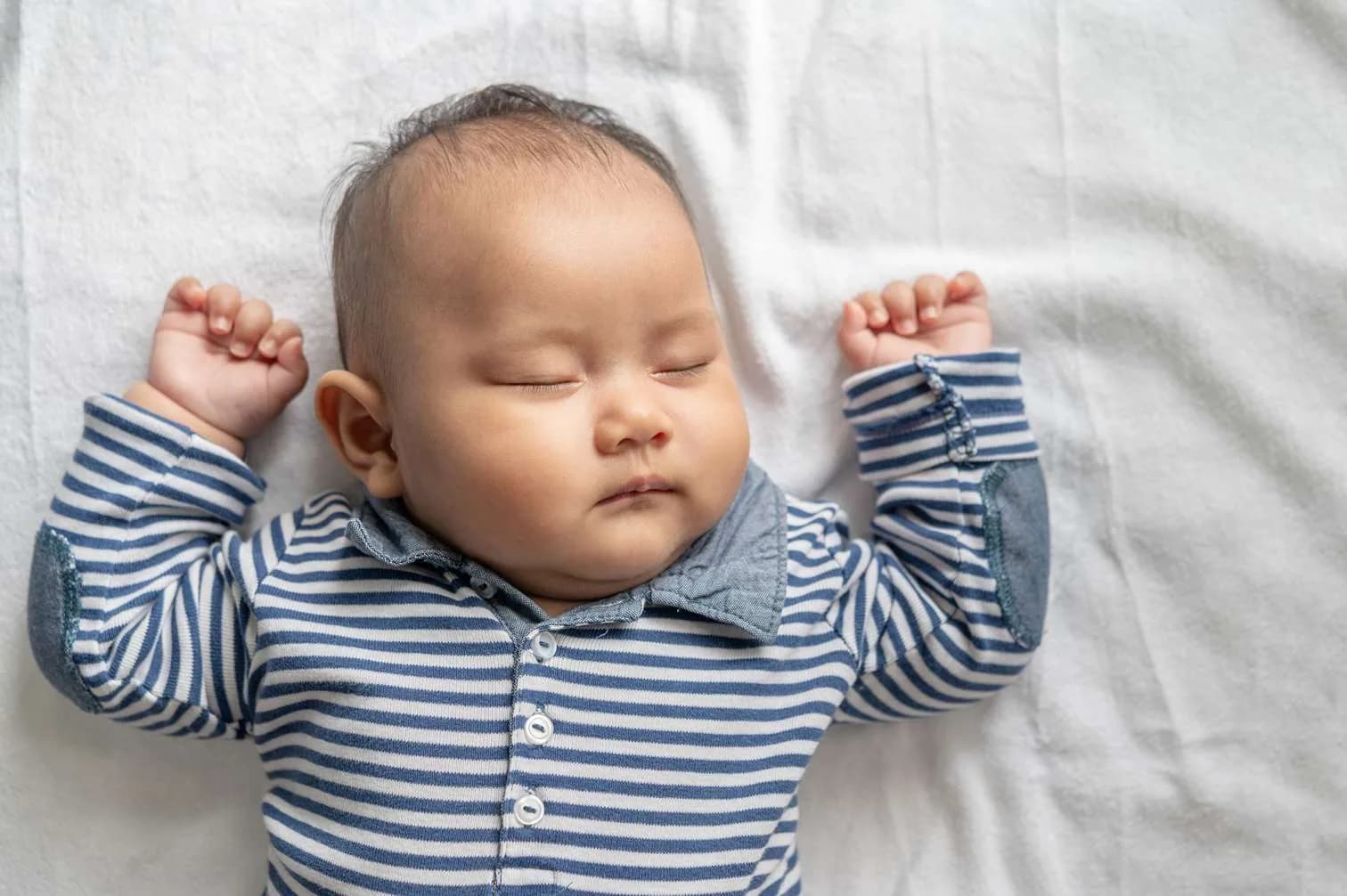
SIDS (Sudden Infant Death Syndrome) or infant loss is the sudden loss of a baby under one year of age with no apparent illness or symptoms.
SIDS occurs more often in baby boys than in baby girls. Here is a complete guide to SIDS for you!
Causes of SIDS in Babies
The exact cause of SIDS in babies is not yet known. However, several suspected factors may contribute to this sudden loss, such as genetic abnormalities, problems with the brain, low birth weight, and lung infections.
Some other researchers say that SIDS can occur when a baby does not receive enough oxygen, which leads to loss. This condition often happens while the baby is sleeping.
Risk Factors That Can Trigger SIDS or Infant Loss
It is important for you to know that even healthy babies can experience SIDS due to several risk factors listed below.
1. Baby Sleeping with an Adult on a Bed or Sofa
As a parent, it may feel wonderful to sleep side by side with your little one. However, sharing a bed or sofa with a baby can also raise the risk of SIDS.
This is because when a parent shifts or rolls over, they may unknowingly roll onto the baby. Babies have very small bodies, so even light pressure can disrupt their breathing.
2. The Mother's Condition During Pregnancy and the Baby at Birth
Another SIDS risk factor can begin while the baby is still in the womb. This applies when a baby is born to a mother younger than 20 years old, who does not regularly attend antenatal care (pregnancy check-ups), or who has a family history of SIDS deaths.
In addition, mothers who smoke, use narcotics or drugs, or consume alcohol during pregnancy also greatly increase the baby's risk of SIDS.
Babies born prematurely or with low birth weight also have a risk of SIDS. In premature babies and babies with low birth weight, the nervous system is not fully developed at birth, so the brain's ability to automatically control breathing is not yet fully mature.
3. Exposure of the Baby to Harmful Substances
You should be alert if there is a family member in the home who is an active smoker or a heavy drinker. This is because babies exposed to cigarette smoke, alcohol, and illegal drugs, whether while still in the womb or after birth, are at risk of SIDS or infant loss.
Substances from these three sources can affect a baby's brain development, so that after birth, the baby's breathing or movement responses become weaker than those of other normal babies.
Furthermore, babies under 4 months old who have a respiratory tract infection or who overheat while sleeping are also at risk of SIDS.
4. Babies Sleeping on Their Stomachs
There are several ways to put a baby to sleep that you should know as a parent to help protect your little one from SIDS or infant loss. Make sure the baby's sleeping area does not contain many pillows or blankets, and that the baby sleeps on their back.
When a baby sleeps on their stomach, this can put pressure on the airway. This is what makes it hard for the baby to breathe, so the oxygen supply that should meet the needs of the brain and body is reduced.
This risk is greater for babies who are not yet able to roll back onto their back after turning onto their stomach.
Signs That a Baby Is Having Difficulty Breathing
Every parent should understand the signs that a baby is having trouble breathing, so the baby can receive special care right away. Here are some signs that a baby is having difficulty breathing:
- The baby's breathing becomes very fast. Normally, a 2-month-old breathes fewer than 60 times per minute, a baby aged 2 to 12 months breathes fewer than 50 times per minute, and a baby over 1 year old breathes fewer than 40 times per minute. If it is faster than this, it is a sign the baby is having difficulty breathing.
- The chest wall pulls in from the lower neck area downward, so the spaces between the ribs become visible.
- The baby sounds like they are moaning or grunting.
- A bluish color appears around the baby's mouth, fingertips, or toes.
How to Prevent SIDS in Infants
Infant loss is something no parent in the world ever wants to experience. That is why you should know the following ways to prevent SIDS in babies.
A. A (Alone)
Alone means by oneself. It is best to put your baby to sleep in a separate bed from adults, including the baby's older siblings. The aim is to avoid accidents such as a baby being accidentally smothered by an adult.
You do not need to be far apart; you can place the baby's own bed close to the bed you use.
B. B (Back)
Besides keeping heavy, large objects that could fall onto your little one's body away from the baby, you should also pay attention to the baby's sleeping position. Place the baby to sleep on their back, as this is safer and does not obstruct the airway.
C. C (Crib)
Make sure the surface your baby sleeps on is neither too soft nor too hard. Also avoid pillows, dolls, or other relatively large and heavy items around the baby.
Remember to set the room temperature so it is not too cold or too hot, and make sure the blanket the baby uses does not reach higher than their shoulders.
D. Avoid Cigarette Smoke, Narcotics, and Other Illegal Drugs
One of the factors that can cause a baby to experience SIDS or infant loss is exposure, while in the womb or after birth, to cigarette smoke, narcotics, alcohol, and other illegal drugs.
For this reason, one way to help keep a baby from experiencing SIDS is to protect them from these things, both while in the womb and outside it.
Do You Understand What SIDS or Infant Loss in Babies Is?
SIDS or infant loss is an event that is certainly a heavy blow for any parent whose child experiences it.
The sudden grief of losing a baby naturally leaves every parent shocked and feeling unable to cope. However, funeral services from Kamboja can help ease the burden on every parent in funeral planning through to funeral protection for their beloved little one. Get other important information by contacting the Kamboja contact team and speaking with one of the Kamboja team members.

Kamboja Blog
The Kamboja team writes guides on bereavement, funeral arrangements and funeral planning to help families in Indonesia.