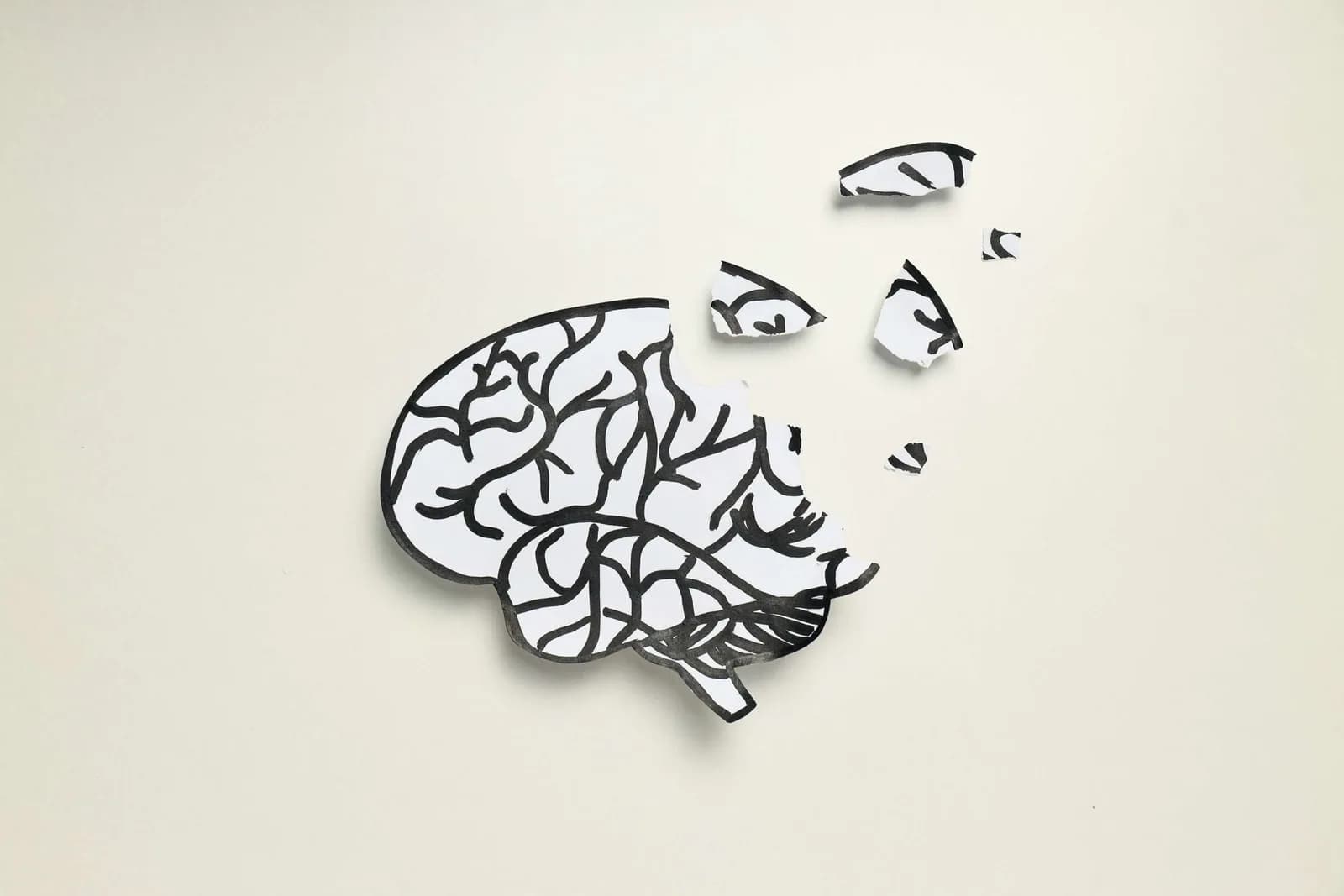
Brain death, also known as brain death, is a condition in which all activity in the brain stops permanently. When a person experiences brain death, the chance of recovery is almost non-existent.
A dead brain is fundamentally unable to control the work of the body's various organ systems. This means the patient can be declared dead. So, what exactly causes brain death to occur? What is the condition of a person who has experienced brain death? Let's read more below!
Definition of Brain Death
Brain death is a serious condition in which the brain permanently stops functioning. As a result, the brain can no longer send and receive signals to and from the rest of the body.
People with this condition lose consciousness and the ability to breathe. Therefore, they need a ventilator to keep the heart beating and oxygen flowing through the blood vessels. Although a patient can breathe with a ventilator, brain death has no chance of recovery.
Simply put, a person with this condition cannot breathe on their own without the help of a machine. The patient will remain in a coma. For this reason, a person in this state is medically declared deceased.
Causes of Brain Death
The main causes of brain death include the stopping of blood and oxygen flow to the brain, as well as damage to the brainstem tissue. This condition also has various causes, including the following.
1. Cardiac Arrest
Cardiac arrest is a condition in which the heart suddenly stops. Its causes vary widely, such as medication, blood vessel abnormalities, and others.
Basically, this is a very fatal condition. This is because the loss or stopping of heart activity deprives the brain of oxygen and can lead to death.
2. Head Injury
One of the main causes of brain death is a severe head injury. This type of head injury can be caused by vehicle accidents, falls, sports accidents, and others.
Trauma to the head itself can cause severe bleeding or tissue damage, which can result in permanent loss of brain function.
3. Stroke
A stroke is a disorder that occurs when the blood supply to the brain is disrupted, either due to a blocked blood vessel or bleeding in the brain. Although brain damage is the main cause, a stroke can also lead to brain death.
A stroke occurs when blood flow to the brain is disrupted or altered. If the stroke the patient experiences is severe and affects vital parts of the brain, such as the brainstem, it can result in total brain death.
4. Overdose
Excessive use of certain chemicals or drugs can also cause serious brain damage that ends in death. This is why overdose can be very fatal and must be treated quickly. Some of its signs include shortness of breath, dizziness, and chest pain.
5. Blood Clots
This condition can also lead to brain death if left untreated. A blockage in a blood vessel caused by a blood clot can disrupt or obstruct blood flow throughout the patient's body, including the brain. As a result, the brain does not receive enough oxygen and nutrients.
6. Infections and Brain Diseases
This condition can be caused by bleeding, viral disorders (such as encephalitis), or brain tumors. Each of these diseases requires different treatment. If proper and prompt medical action is not taken, brain death may occur.
This is because such disorders put pressure on the brain, which can reduce blood flow and cause tissue damage.
7. Cardiovascular Disorders
Serious cardiovascular problems, such as ventricular fibrillation and cardiac arrhythmia, can disrupt blood flow to the brain and are highly life-threatening. These can also be linked to problems like the cardiac arrest mentioned earlier.
When the blood supply is interrupted, the brain does not receive enough oxygen and nutrients, which can ultimately lead to brain death.
Conditions for Diagnosing Brain Death
The main sign of brain death is the loss of bodily responses, including consciousness and the ability to breathe. In addition, various indicators of brain death include the following.
1. Cessation of Breathing
Doctors will always check breathing and other vital indicators, such as pulse or heartbeat, to determine whether a person has brain death. A person is considered brain dead or deceased if they cannot breathe on their own. Furthermore, their heart has stopped or they have no pulse.
In addition, even after several rounds of CPR, a brain-dead patient cannot regain consciousness or breathe on their own without the help of a machine. If a person is confirmed to be brain dead, medication or breathing assistance will no longer be useful, because they are medically deceased and cannot be saved.
2. Loss of Reflexes
The second sign of brain death is the absence of reflexes. The brainstem connects the brain and the spinal cord. The brainstem also controls basic activities, including consciousness, heart function, and breathing.
Brain reflex testing serves to evaluate whether the brainstem is still functioning. Several factors can be assessed during this examination, such as the light reflex (the pupils constrict when exposed to light), as well as the gag or cough reflex.
3. Being in a Coma
It is important to understand that a coma does not always mean brain death. A person in a coma still has a chance of regaining consciousness as long as they have not experienced brain death.
To determine whether someone can regain consciousness after a coma, doctors must first identify the cause. Although rare, certain disorders can make a person appear brain dead when they are not.
One example is the vegetative state, in which a person may open their eyes but is unaware or unable to respond to their surroundings.
Now That You Know the Causes of Brain Death?
In essence, brain death is an irreversible condition. A person with this condition cannot recover consciousness and requires machine assistance to keep breathing. It can therefore be said that they are already deceased.
For this reason, if a family member experiences brain death, you should begin preparing yourself and look for body care services. It is advisable to choose a trusted funeral service such as the funeral service from Kamboja.
This service offers a range of bereavement packages tailored to your needs. By using this service, you do not have to worry about funeral arrangements and other matters while grieving the loss of a loved one. Kamboja is there for you and your family when that day comes, providing trusted funeral arrangement services and secure funeral insurance. Have you chosen the right funeral service yet?

dev_kamboja
The Kamboja team writes guides on bereavement, funeral arrangements and funeral planning to help families in Indonesia.