4 Obligations of a Muslim Toward the Deceased According to Islamic Law
- dev_kamboja
- (updated )
- 6 min read
When a fellow Muslim passes away, what do you usually do? Most commonly, we pray that Allah accepts their good deeds. But did you know there are 4 other obligations that Muslims must fulfill for the deceased?
The obligation to care for the deceased is, under Islamic law, fardhu kifayah. This means the obligation can be considered fulfilled once a number of people have carried it out properly on behalf of the community. To understand this obligation better, let's read this article through to the end.
Obligations Toward a Person Who Has Just Passed Away
Have you ever been by the side of a loved one who was ill, until you witnessed their final breath? Or found that a relative had passed away suddenly, without any prior illness?
In that moment, your first reaction is surely shock, and you may still find it hard to believe the sad news. Your body feels weak, and words fail you as you try to express what you feel.
It takes you several minutes to compose yourself and think clearly that this person is gone. So, what should you do next?
1. Closing the Eyes and Tying the Chin
Once you realize someone has just passed away, the first thing to do after saying Innalillahi wa innailaihi rojiun is to close the eyes of the deceased.
The eyes of the deceased sometimes remain open. According to a hadith of the Prophet narrated by Imam Muslim, when the angel takes a person's soul, that person's gaze follows it. For this reason, as a Muslim, you should close the eyes of the deceased so they do not remain open.
While closing the eyes, it is recommended to say good words or pray for the deceased, because the angels readily say "amin" to whatever those around say.
The prayer that may be recited while closing the eyes of the deceased is:
Allaahummaghfir(lifulaan), warfa' darojatahu fil mahdiyin, wakhlufhu fii 'aqibihil ghoobiriin, waghfir lanaa wa lahu, yaa robbal 'aalamiin, wafsah lahu fii qobrihi wa nawwir lahu fiihi.
Meaning: "O Allah, forgive (say the name of the deceased). O Allah, raise their rank among those who are guided by You, and grant those left behind a good successor. Forgive us and forgive them, O Lord of all the worlds. Widen their grave and give them light within it."
After closing the eyes, you should also tie the chin with a cloth so that the mouth does not open.
2. Loosening the Joints of the Deceased
After closing the eyes and tying the chin, another obligation is to loosen the joints.
If the joints of the deceased are not loosened, they will gradually stiffen and become difficult to return to their natural position. For this reason, as a Muslim, you should help to gently move the hands and feet back into place.
3. Placing Something on the Abdomen
This is done so that the abdomen of the deceased does not appear swollen, which would be unpleasant to see. It is therefore recommended to cover the whole body of the deceased with a thin cloth.
4. Removing the Deceased's Clothing
Next, if you are a family member who deeply loved the departed, you should remove their clothing and place it somewhere higher than the ground. It is also recommended to face the body toward the qibla, just as the deceased was positioned when they were dying.
Obligations Toward the Deceased After Death
After carrying out the steps above properly, it is now the time for you and other relatives to take on the responsibility of caring for the deceased until they are brought to their final resting place.
This obligation is a sign of respect for the departed before they are laid to rest. Moreover, caring for the deceased properly is a teaching of the Prophet that should not be neglected.
1. Washing the Deceased
Washing the deceased is obligatory before the departed is laid to rest. The purpose is that the body is clean and pure when it returns before God. The washing is performed by people of the same sex as the deceased, except for a mahram or spouse (wife/husband).
That is, a male deceased should be washed by men, except by a spouse or mahram, while a female deceased should be washed by women or a mahram.
The deceased must be washed as thoroughly as possible so that no dirt remains on the body. Those washing the body should pour water evenly over the entire body 3 or 5 times. They must also clean all dirt and impurities from the crevices and openings of the body.
After that, the person washing the body must also perform wudhu on all its limbs. The first rinse usually uses water mixed with soap. The second rinse uses clean water, and the third rinse uses water mixed with camphor. .
2. Shrouding the Body
Shrouding is one of the obligations toward the deceased after washing the body.
The way of shrouding a female body differs from that of a male body. A male body is shrouded in three layers of cloth. A female body is shrouded in five layers: for the sarong, the headscarf, the garment, and two layers to cover the whole body.
3. Performing the Funeral Prayer
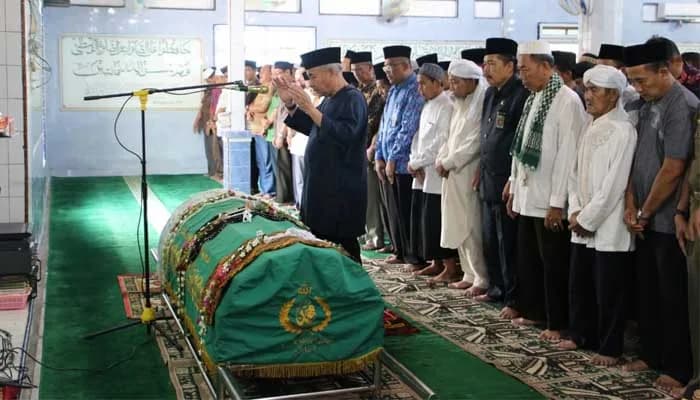
The funeral prayer is fardhu kifayah. A communal obligation (fardhu kifayah), which is fulfilled once someone has carried it out. However, if no one does it at all, Muslims in general will be considered sinful.
The way of performing this prayer differs from the usual prayer. The funeral prayer has no i'tidal, rukuk, or sujud movements. It only involves standing, takbir with raising both hands, reciting Al-Fatihah, salawat, the prayer for the deceased, and then the salam.
The imam's position also differs for a male and a female body. For a male body, the imam stands level with the head of the deceased. For a female body, the imam stands level with the middle of the body (the abdomen).
4. Burying the Body
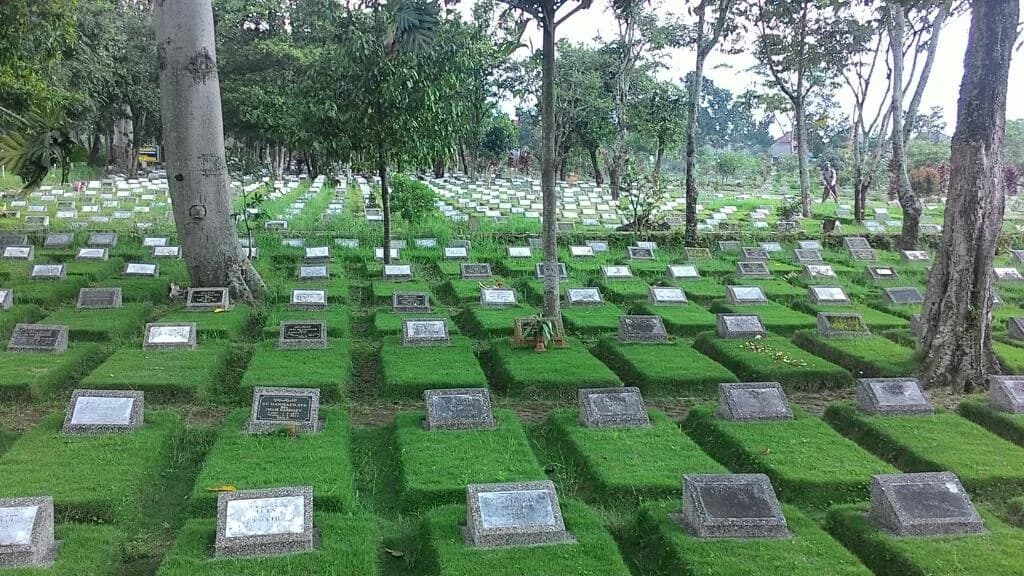
After the prayer, the final obligation toward the deceased is to bury them as soon as possible. The burial itself must not be done carelessly, because Islam teaches that a person who has passed away must still be treated with dignity.
When burying the body, the following steps must be followed:
- Prepare a grave dug to the depth of an adult standing with an arm raised overhead. The width should be a little more than one hand span.
- Lower the body gently while reciting "Bismillahi wa 'ala sunnati Rasulillahi shallallahu 'alaihi wa sallama.”
- Face the body toward the qibla.
- Untie the bindings, starting from the head.
- Use flat stones or boards to protect the body from falling soil.
- Fill the grave with soil.
Do You Understand a Muslim's Obligations Toward the Deceased?
These obligations toward the deceased are a form of responsibility and a final act of respect for the departed. For those who need excellent funeral services , consider using Kamboja, which also provides professional funeral protection services.
Kamboja also offers services on-demand funeral service , to make it easier for you to take care of the deceased. In addition, Kamboja also provides repatriation services for the deceased and professional body cargo services , both domestically and overseas.

dev_kamboja
The Kamboja team writes guides on bereavement, funeral arrangements and funeral planning to help families in Indonesia.