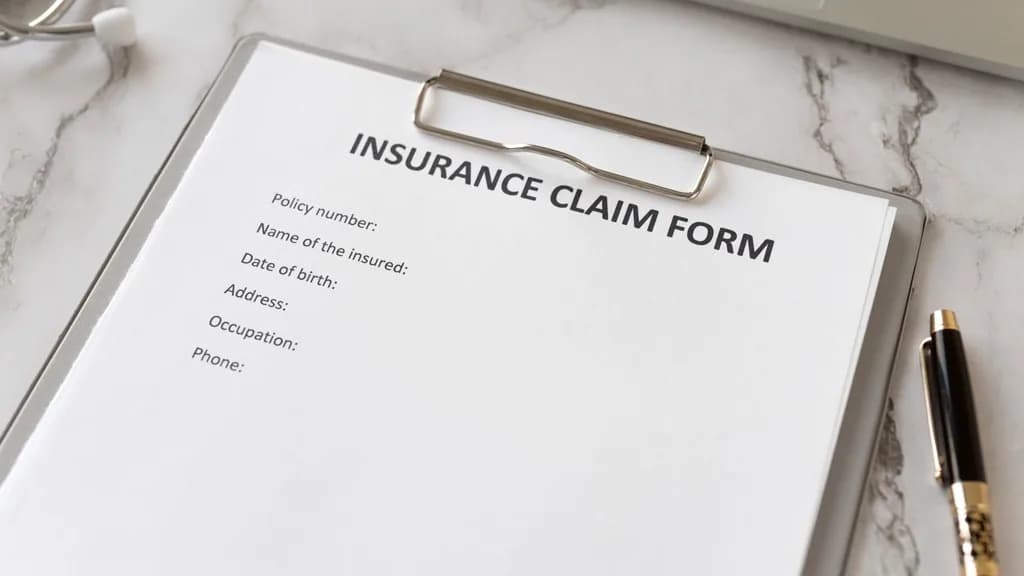
To keep your finances stable, one of the most sensible steps is to take out an insurance product. Today, insurance companies offer many conveniences, from affordable premium payments to claim processes that are easy and fast.
There are several types of life insurance, such as term life, whole life, endowment, and others. It is wise to choose an insurance product that suits your needs so it can support the financial goals you have in mind.
Documents Needed for an Insurance Claim
A claim is a step the policyholder takes to receive the insurance benefit from the premiums already paid. Some claims can be filed at any time, while others can only be submitted when the contract ends.
Although it may seem simple, the claim submission process is fairly involved and has to go through several procedures. If you plan to file a life insurance claim, it is best to prepare the complete set of documents listed below.
1. Critical Illness Claim
For a critical illness insurance claim, there are several documents to prepare to make it easier to receive the insurance payout. These include:
- Photocopy of identity card
- Letter from a doctor confirming the critical illness diagnosis
- Form containing bank account notification
- Power of attorney with medical records
- Supporting documents for the critical illness
2. Disability Claim
When filing a disability claim, you are required to complete the claim form fully and accurately. Several supporting documents are also needed, including:
- Photocopy of identity card
- Letter from a doctor regarding the total or permanent disability experienced
- Photocopy of examination results from radiology and laboratory
- Original police report, specifically for disabilities caused by an accident
- Other supporting medical documents
3. Death Claim or Death by Accident
If the policyholder passes away, whether from illness or an accident, the claim can be filed by a family member or an authorized representative such as a lawyer. After completing the form in full, several supporting documents must also be attached, including:
- Death certificate from a doctor or hospital, as well as the local village official
- Photocopy of documents containing examination records of the policyholder
- Photocopy of identity card
- Photocopy of family card
- Original police report if the policyholder died in an accident
- Original policy and a letter of change of beneficiary name, if any change has occurred
- Other required medical documents
4. Hospitalization Claim
Life insurance also covers the full cost of treatment, including hospitalization. It is best to file a hospitalization claim promptly so that all costs can be covered by the insurer. The documents to include when filing a hospitalization claim are:
- Photocopy of identity card
- Photocopy of examination results from radiology and laboratory
- Letter from a doctor
- Original receipt detailing the treatment costs, legalized by the hospital
- Other supporting medical documents
Steps to File an Insurance Claim
Many customers complain that their claims are often rejected. This can be caused by many factors, one of which is incomplete documentation. For this reason, before filing a life insurance claim, it is important to understand the procedure first.
Here are the four claim steps you should know:
1. Reporting to the Insurer
When a policyholder passes away, whether from an accident, illness, or another cause, the heirs should promptly report it to the insurer to make the claim process easier later on.
The deadline for filing a claim after the insured person's death is between 30 and 60 days, depending on each insurance company's policy. So act quickly so the insurance proceeds can be disbursed as soon as possible.
2. Completing the Form and Gathering Required Documents
After making the report, the next step is to promptly prepare the required documents. You must also complete the claim form in full. The types of documents to prepare have been described in detail in the earlier section.
Submitting complete documents is very important so the claim is not rejected. If any document is missing, the insurer will give you an opportunity to complete it later.
In addition to the original policy, you must also provide a document containing the beneficiary's bank account number, because the insurance money will be transferred to the account once the claim is approved.
To confirm the exact documents needed, you can visit the official website of the insurance company you are enrolled with.
3. Data Verification
The insurer will verify the process by matching the documents and data it holds. Data verification usually takes about 14 days from the day the file is received.
However, sometimes verification can move quite quickly and take only a few days. This depends on company policy and on how many customers are filing claims at the time.
4. Disbursement of Insurance Proceeds
If the contents of the required documents match the data the company holds, the claim can be approved. The company will then disburse the benefit to the heir named by the policyholder.
The insurance proceeds will be transferred to a bank account. The amount received depends on the insurance product held. The heirs can use these funds to meet their living needs going forward.
Tips to Keep Your Claim from Being Rejected
Nearly most claims submitted by customers are at some point rejected. This can happen for many reasons, such as entering incorrect data on the claim form or attaching documents that do not match the data held by the insurer.
If you want your verification to pass and your claim to be approved, consider the following tips.
1. Fill Out the Form Honestly
You must complete the claim form fully and in accordance with the facts. If there is any discrepancy with the data held by the insurer, the claim will be rejected. That is why you must fill out the form honestly and truthfully.
2. The Insured Person Died as a Result of a Crime
Each insurance company has its own policy regarding the procedure for disbursing insurance proceeds. If the insured person is proven to have died as a result of committing a crime, the claim will be rejected immediately and the heirs will not receive any part of the insurance benefit.
The same applies to heirs. If an heir is proven to have committed a crime, that heir is not entitled to any benefit payment at all, and the claim is declared rejected.
3. The Insured Person Died by Suicide
Nearly all insurance companies agree to reject claims if the insured person is proven to have died by suicide. Likewise, an insured person who dies as a result of their own reckless actions will not receive the insurance benefit.
For example, if someone dies in a crash caused by reckless driving on the road, a claim filed by the heirs will automatically be rejected.
An insurance claim can proceed smoothly if you complete the form honestly and provide all the required documents. As long as the policyholder did not die by suicide or as a result of a crime, the claim is very likely to be approved by the insurer.

dev_kamboja
The Kamboja team writes guides on bereavement, funeral arrangements and funeral planning to help families in Indonesia.