Prohibitions Concerning Graves in Islam: Hadith Evidence and Explanation
- Kamboja Blog
- (updated )
- 7 min read
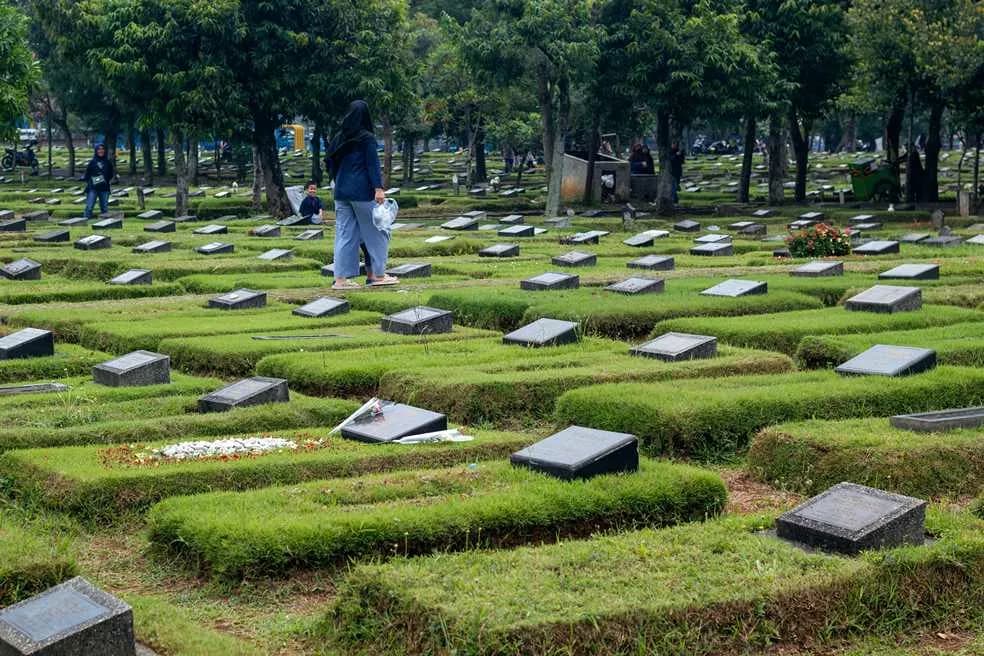
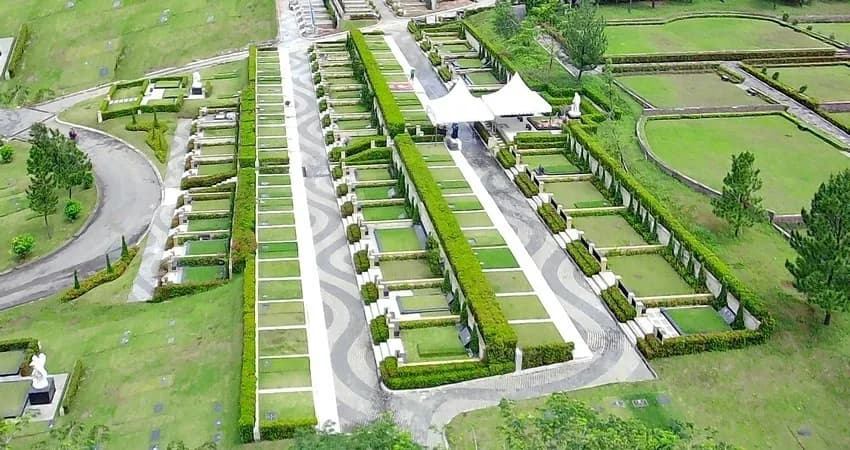
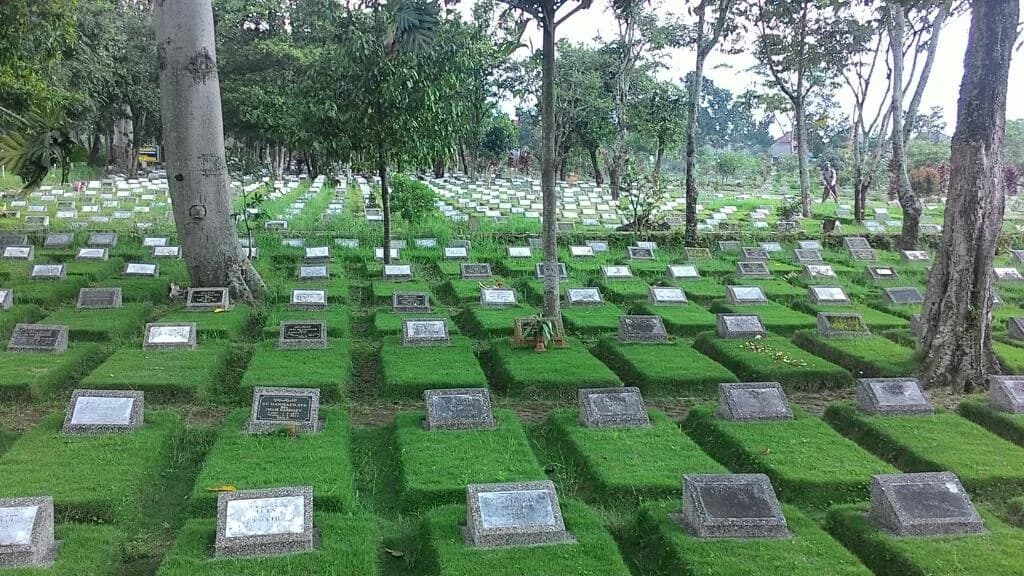
In Islam, caring for the deceased and their graves follows very clear guidelines. The purpose is not to burden anyone, but to preserve the dignity of the deceased and to avoid excessive practices.
The prohibitions concerning graves are explained extensively in the hadith of the Prophet Muhammad. From these we can learn what a grave in accordance with Islamic law looks like (a shar'i grave) and what should be avoided.
Hadith on the Prohibitions Concerning Graves
In Islam, there are several hadith on prohibitions concerning graves that we need to understand so that we do not err in caring for or treating graves. In essence, Islam strongly emphasizes simplicity and preserving the dignity of the deceased, without excess. Here is an explanation of 3 important prohibitions from the hadith:
1. Prohibition on Whitewashing or Beautifying Graves
One prohibition mentioned in the hadith is the prohibition on applying lime (or similar materials) to graves with the aim of beautifying or embellishing the grave structure.
In practice, lime is usually used to make graves look whiter, neater, or more magnificent. But in Islam, this is not encouraged and is even described as a firm prohibition.
Why is it prohibited? Because a grave is not a place to be displayed or excessively decorated. Islam teaches simplicity in death. A grave should be marked adequately so it can be recognized, not made beautiful or luxurious. Scholars explain that this prohibition is haram, not merely makruh.
This means there is no evidence permitting any easing of this ruling, because the purpose is clear: to avoid excessive veneration of graves.
2. Prohibition on Sitting on Graves
The Prophet Muhammad firmly forbade his followers from sitting on graves. This is because sitting on a grave is regarded as a form of disrespect or failing to honor the deceased.
From Abu Hurairah radhiyallahu 'anhu, the Messenger of Allah said:
لَأَنْ يَجْلِسَ أَحَدُكُمْ عَلَى جَمْرَةٍ فَتُحْرِقَ ثِيَابَهُ فَتَخْلُصَ إِلَى جِلْدِهِ خَيْرٌ لَهُ مِنْ أَنْ يَجْلِسَ عَلَى قَبْرٍ
Meaning: "If one of you were to sit on a live coal that burns his clothes through to his skin, that would be better for him than sitting on a grave." (HR. Muslim no. 1612)
This hadith shows how serious this prohibition is. Its warning is so strong that scholars understand this act is not a trivial matter, but is among the major sins if committed deliberately and without a justified reason.
3. Prohibition on Building Structures Over Graves
The next prohibition is building structures over graves, such as tombs built grandly, with large domes, or excessively decorated. There are several reasons why this is prohibited in Islam, including:
- It Can Lead to Grave Worship
If graves are built too grandly, especially the graves of people regarded as righteous or saints, they may gradually become places of excessive veneration. This could even lead to grave worship, which is clearly prohibited in Islam.
- Resembling Idol Worship
Throughout history, many people who initially only honored graves gradually came to exalt them. Eventually graves became places of worship or places to ask for things. This falls under tasyabbuh (resembling) idol worship.
- It Can Lead to Shirk
This is a very important point. In Islam, anything that may become a path to shirk is strictly guarded against. Glorifying graves excessively can open the door to shirk.
- Wastefulness of Wealth
Building lavish graves is also a form of wastefulness with no benefit. Islam strictly forbids squandering wealth on things that are not important.
- Limiting Burial Space
If every grave is made into a large structure, burial grounds will fill up quickly. Graves should instead be kept simple so the space can be used over the long term.
The Shar'i Grave Form According to the Hadith
When we talk about graves in Islam, there is one important question that often arises: what does a grave that conforms to Islamic law (a shar'i grave) actually look like?
The answer has been explained in the Prophet's hadith, and when understood simply, Islam encourages simplicity, not luxury. Let us discuss them one by one:
A. Graves Must Not Be Built High or Grand
In a hadith narrated by Ali bin Abi Thalib, the Prophet instructed that raised graves be levelled. In other words, graves should not be built high or made to look grand.
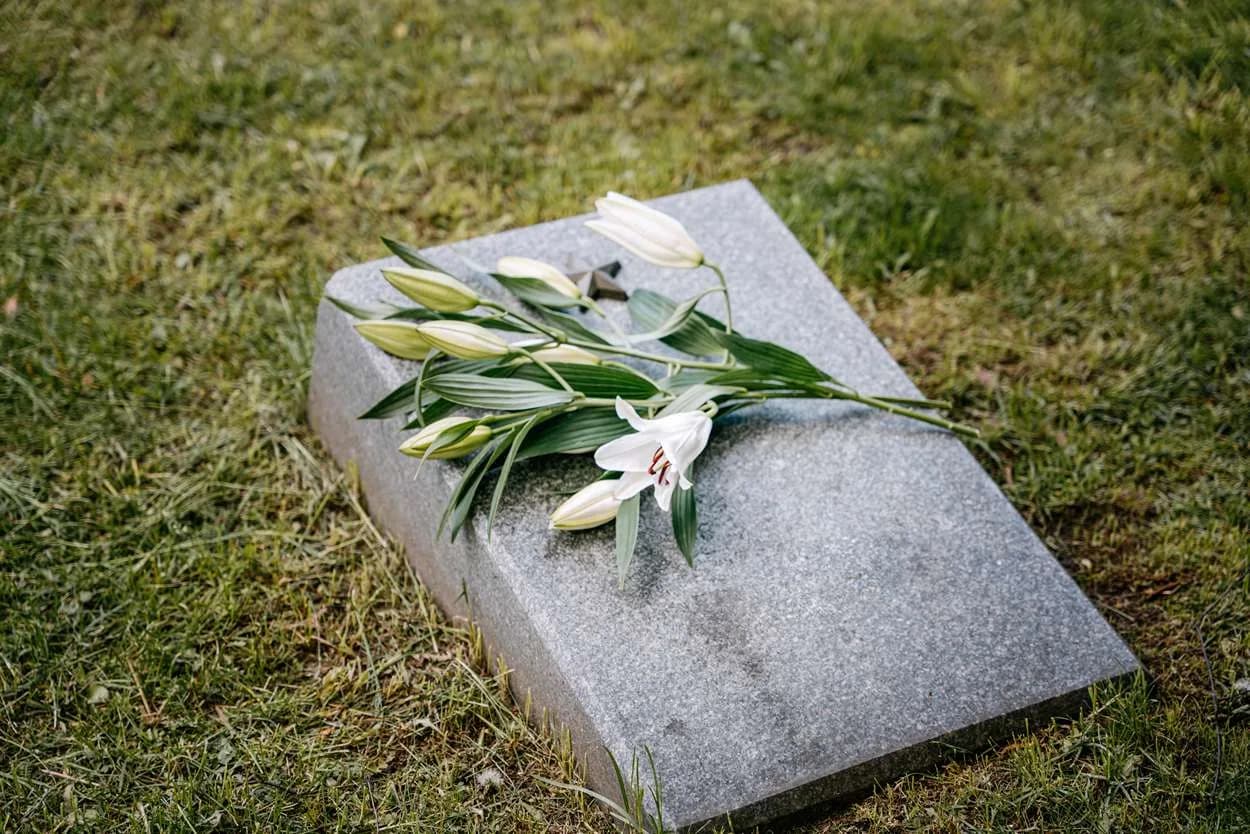
Simply put, a grave should be raised only slightly above the ground so that it can still be recognised, but not excessively. The aim is to avoid any undue glorification or exaltation of the grave.
B. No Permanent Structures Are Needed Over the Grave
From this hadith it is also understood that graves do not need permanent structures, let alone large and magnificent ones. In fact, following the meaning of the text, graves are encouraged to remain simple.
Why? Because Islam wants to keep graves from becoming something revered or even sacred. Every human being, whoever they are, returns to the earth without carrying the luxuries of this world.
C. All People Are Equal Before Death
In the grave, there is no longer any distinction between important people, ordinary people, officials, or saints. All return to the earth alike. So there is no need for special treatment in the form of elaborate grave structures.
Even those regarded as great in this world, in Islam, are treated in the same way after death: simply and without excess.
D. The Grave Does Not Have to Be Physically Kept in Memory
Logically, if graves are kept simple, people might more easily forget who lies within them.
But in Islam, this is not a concern. What matters most is not the physical grave, but the prayers and good deeds of the living.
The deceased no longer depend on the form of the grave, but on the prayers and ongoing charity (amal jariyah) left behind for them.
E. Life in the Grave Is Separate from the World
Islam teaches that life in the barzakh is entirely different from the world. The deceased no longer concern themselves with how their grave is built or physically honoured.
If they were among the righteous, they will be in bliss until the Day of Judgement. But if otherwise, they will receive recompense according to their deeds. So worldly matters such as the form of the grave no longer concern them.
F. What Benefits the Deceased Most Is Prayer
The most important thing for someone who has passed away is the prayers of the living. The Prophet explained that when a person dies, their deeds end except for three things:
- Ongoing charity (sadaqah jariyah)
- Beneficial knowledge
- A righteous child who prays for them
In other words, the form of the grave will neither add to nor diminish a person's rank in the hereafter. What has the greatest effect is deeds and prayer.
G. Honouring the Grave According to Islamic Law Is Simple
In Islam, the physical way to honour a grave is very simple: simply do not step on it or sit on it. That alone is considered good manners.
There is no need to go to excess in honouring the grave physically, because Islam wishes to protect the purity of tawhid. True honour lies not in the grave itself, but in prayers and good deeds for the one who has passed away.
Understand the Prohibitions Regarding Graves in Islam So You Don't Make Mistakes!
The prohibitions regarding graves in Islam teach us to maintain proper conduct towards those who have passed away. Islam strongly emphasises simplicity, avoiding the veneration of graves, and ensuring that graves do not become places that are misused.
When losing a loved one, the last thing a family wants to face is the burden of arranging the many technical needs of a funeral. Through our Islamic funeral services and Islamic funeral management services, Kamboja.co.id is here to help families get through this difficult time with greater peace of mind.
Supported by an experienced team of Indonesian funeral managers , every process is handled professionally, in an organised manner, and in accordance with Islamic law.
To get help or consultation regarding funeral and body-management services, you can contact the Kamboja.co.id team via WhatsApp at +62 822-1111-1415. Our team is ready to provide support and solutions that are prompt, accurate, and full of care, whenever you need them.
- #funeral services
- #jasa kedukaan
- #manajemen pemakaman

Kamboja Blog
The Kamboja team writes guides on bereavement, funeral arrangements and funeral planning to help families in Indonesia.