Understanding the Role of Muslim Funeral Washers: Men and Women
- Kamboja Blog
- (updated )
- 5 min read
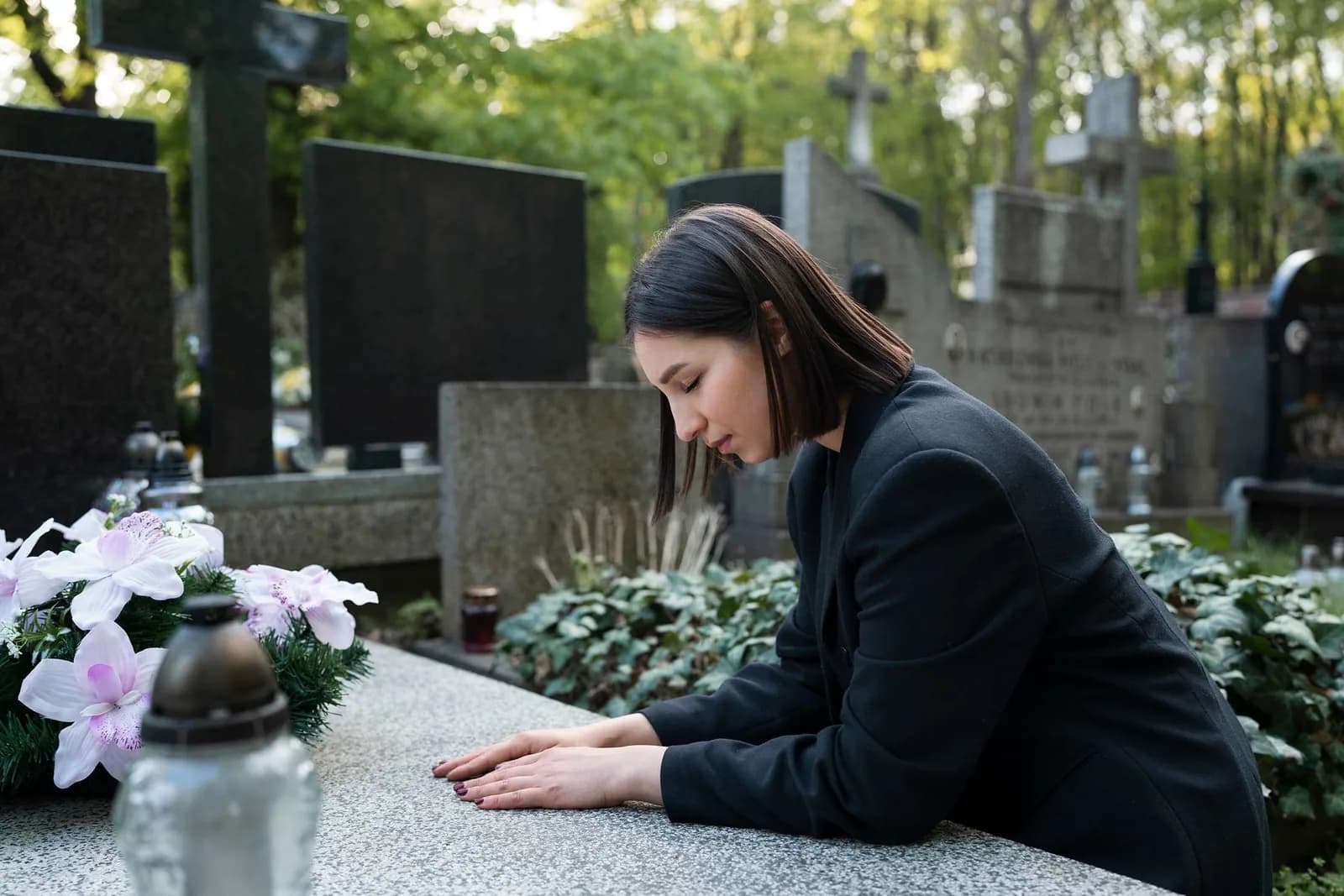
Funeral washing is a noble profession that is becoming increasingly rare. Yet their role is very important in carrying out a person's final rites in accordance with the beliefs and traditions they follow. Unfortunately, not many people understand this profession.
This article will therefore provide in-depth insight into the profession and the importance of choosing a professional service. If you need more complete and trustworthy information about funeral services, read this article to the end.
Definition of a Funeral Washer.
A funeral washer is a person whose task is to cleanse the deceased of najis and dirt that may still be on the body. Washing the deceased is an obligation of fardhu kifayah for Muslims, as a form of final respect for the one who has passed away.
This profession is regarded as honourable and should be fulfilled by Muslims for fellow Muslims who have passed away. Those who wash the deceased must understand the correct procedures, including preparation and implementation, to preserve the dignity of the deceased.
Duties and Responsibilities of a Funeral Washer
Below are 5 duties that will be carried out by a person who washes the deceased:
1. Washing the Deceased
The person washing the deceased cleanses the body of dirt and najis in accordance with Islamic law. This process involves the use of clean water, bidara leaves, camphor, or soap.
They keep the deceased's aurat covered and involve the family or designated persons in accordance with the etiquette taught, such as the spouse, biological children, or full siblings.
2. Shrouding the Deceased
After washing, the deceased is wrapped in white kafan cloth, which symbolises purity. The funeral washer ensures the cloth covers the entire body, applies fragrance, and ties it gently without diminishing the dignity of the deceased.
3. Protecting the Dignity of the Deceased
The person washing the deceased is responsible for keeping confidential the condition of the deceased, and does not share the details with others except the family.
4. Handling Additional Processes
Some funeral washers also handle additional processes such as leading the funeral prayer and burial, especially at hospitals or certain places.
5. Readiness and Dedication
They must be ready to work at any time, day or night, even in difficult conditions such as unidentified deceased or bodies in a damaged state.
Etiquette for Washing Muslim Men and Women
Below are 6 etiquettes that a person washing the deceased should observe:
A. Cleansing the Deceased of Najis and Dirt
When washing the deceased, clean away najis and dirt by seating the body, gently pressing the abdomen, and letting water flow. Perform istinja, then gently clean the mouth, teeth, nose, hair, and beard. Perform wudu for the deceased without forcing it.
Deceased who must be washed include Muslim men or women whose bodies are intact, who did not die as martyrs, and foetuses over four months old. Ensure these processes are carried out with a high sense of respect and gentleness.
B. Washing the Deceased Gently
Although the person has passed away, treat them gently as a form of honour in Islam. If the body has stiffened, you may gently loosen the joints by bending them two or three times.
Always use hand covers when touching the deceased's aurat, and it is recommended to wear them for other parts of the body too. Use cool fresh water to wash the deceased, except in cold weather, when warm water may be used.
Make sure the person washing the deceased wears gloves. This maintains personal hygiene, and do not forget to wash your hands before and after the washing.
C. Washing the Deceased in a Suitable Place
A key etiquette in washing the deceased is protecting their privacy. Make sure this process takes place in a closed space shielded from the view of others, especially anyone who is not the spouse or mahram of the deceased.
Ensure the location is clean, has running water facilities, and an adequate drainage system. This is important for preserving the dignity of the deceased in accordance with religious teachings.
D. Funeral Washers Must Meet Requirements
Not everyone can wash the deceased. A funeral washer must meet several requirements, including being Muslim, of sound mind, trustworthy, and knowing the etiquette and procedures in line with Islamic law. In addition, the person washing the deceased must understand the division based on the deceased's gender.
A male deceased may only be washed by a male, and a female deceased by a female. Close kinship with the deceased should be prioritised, such as a spouse, parent, or closest sibling.
For a male deceased, the first priority is male family members, then the wife, then non-family men, and then female mahram. For a female deceased, the first priority is the husband, followed by female family members, non-family women, and then male mahram.
E. Washing the Deceased While Covering the Aurat
When washing the deceased, make sure the deceased's aurat remains covered. Before the process begins, the family should prepare cloth to cover the aurat so it is not visible to others. During the washing, maintain a respectful attitude and conduct toward the deceased, and avoid inappropriate conversation or jokes.
Before shrouding, tidy the deceased by combing or braiding the hair and trimming the nails if necessary.
F. Concealing the Deceased's Faults During Washing
Choose a funeral washer who is trustworthy and keeps the deceased's faults private, especially if the deceased was known as a good person during their lifetime. If the deceased was known for wrongdoing, you may take that as a lesson for the living, but still protect the deceased's dignity and the family's privacy.
Avoid involving uninvolved people in the washing process. Make sure the deceased appears neat and respected throughout the process.
Do Not Choose the Wrong Funeral Washer!
The smoothness of the bereavement process is shaped by the professionalism and skill of the person washing the deceased. With trained experts, funeral management can be carried out with full respect and in accordance with the proper procedures. It is therefore important to choose a trustworthy and professional service.
Kamboja is here as a solution for those who need funeral washing and funeral management services. With an experienced team, complete equipment, and high dedication, Kamboja ensures your bereavement process runs smoothly.
Kamboja also offers various service options such as the Kamboja funeral home package, designed to meet the needs of families. Contact Kamboja to receive the best service. Entrust the funeral management process to Kamboja, because we understand the importance of a final tribute to someone dear.

Kamboja Blog
The Kamboja team writes guides on bereavement, funeral arrangements and funeral planning to help families in Indonesia.


