In every culture in Indonesia, the process of death is not only a moment of farewell, but is also connected to spiritual values and ancestral traditions. East Java itself is known as a region rich in unique customs. One of them is the Brobosan ceremony, with its deeply symbolic meaning.
This ceremony is a fairly sacred moment, in which family members perform a special procession before the body is buried. This tradition is considered to reflect respect, affection, and the emotional bond between the family and the deceased. So, what does the full procession look like? Read on for the explanation below!
What Is the Brobosan Ceremony?
Literally, Brobosan is a generations-old tradition performed when the body is about to be carried to its final resting place. The term comes from the Javanese word brobos, meaning to pass through or go under.
This tradition is practiced based on Javanese belief, expressed in the saying “mikul dhuwur mendhem jero”. It means to uphold and honor the contributions of the person who has passed away. The procedure itself is marked by family members passing under the bottom of the coffin or bier, from the feet toward the head, 3 to 7 times.
It is not merely a formality. This act symbolizes a final expression of respect, the severing of spiritual ties, and emotional release so that no sorrow and burden are left behind.
When Brobosan Is Performed
This funeral ceremony is not held at just any time; there are specific rules that must be observed. The ceremony is performed just before the body is carried to the burial site.
Before the body is lifted by the bearers of the coffin or bier, the procession is begun by the immediate family. Not infrequently, this moment brings the most emotional and touching scene before the body is taken to the grave.
Rules of the Brobosan Tradition
Here are some of the rules and limitations of the tradition that should be observed:
- This tradition is performed only by family members with the closest blood relation and is led by the eldest male family member.
- If the deceased is a child or teenager, this tradition is not performed, so that relatives do not suffer the same sorrowful fate or die at a young age.
- If the deceased is a woman, only the closest relatives may perform the tradition.
How to Perform Brobosan
This procession is carried out with great care and reverence. Here are the steps for its implementation:
1. The Coffin Is Placed Horizontally
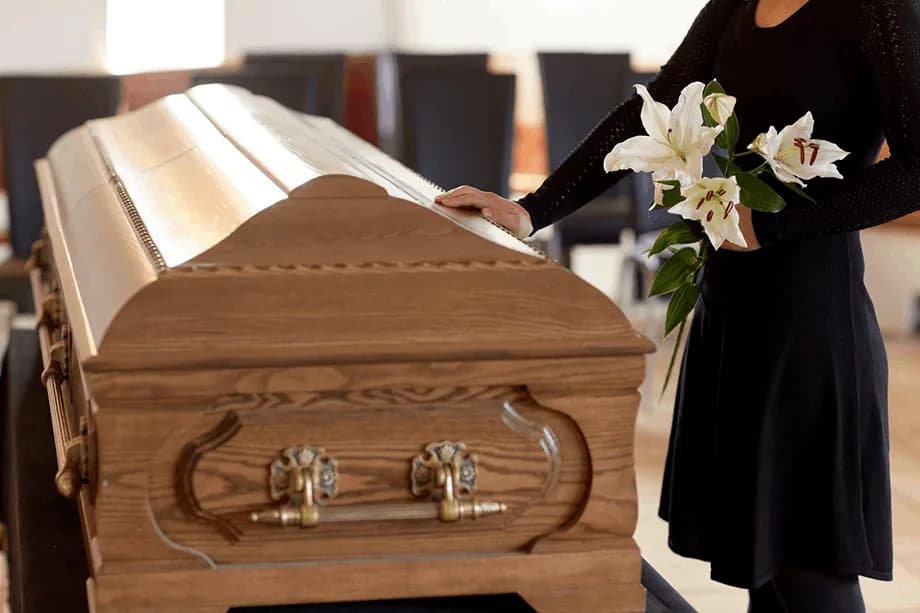
The coffin is laid crosswise in front of the door or yard of the house. This arrangement makes it easier to pass beneath. Those carrying it may also offer prayers.
2. The Path Under the Coffin
Those required to perform Brobosan must bow and pass beneath the bottom of the coffin from the feet toward the head. Usually this includes family members such as children and grandchildren, beginning with the eldest family member. This is done slowly and with deep respect.
3. Performed Three to Seven Times
The tradition is performed three to seven times in succession as a symbol of the complete severing of ties: outward, inward, and spiritual. During the process, family members are usually permitted to pray so that the deceased may be forgiven for their sins and receive the best place in the presence of God.
Purpose of the Brobosan Ceremony
In East Java's tradition, this funeral ceremony has several purposes and reflects important life philosophies. Here is the explanation:
1. Showing Respect to Ancestors
Based on Javanese culture, a child who performs this tradition for deceased ancestors is a symbol of final devotion. In short, it is a profound form of honor and a token of loyalty to their contributions.
This aligns with Javanese values on the importance of honoring parents as part of the social and spiritual order. For this reason, the order of performance is from the eldest child to the youngest.
2. Preserving Cultural Heritage and Family Identity
Another purpose is to preserve tradition and maintain ancestral values. Upholding traditions such as the Brobosan ceremony is considered a way of protecting cultural and family identity. Memorial observances are not merely sacred rituals; they become moments of togetherness that unite the extended family.
By gathering and undertaking the procession together, space is created to strengthen kinship across generations while introducing cultural values to younger people. This tradition also becomes a source of comfort for the grieving family.
3. Accompanying Farewell Outwardly and Inwardly
This ceremony certainly aims to mark the parting, both outwardly and inwardly, between life and death. In Javanese culture, death is not the end but a transitional phase toward the next realm. Therefore, the farewell is not only physical but also emotional and spiritual.
The Philosophy Behind the Brobosan Ceremony
Here are some of its meanings you should understand:
A. A Symbol of Letting Go
Passing beneath the coffin or bier is not an act without meaning. It is considered a reflection or symbol of sincerity in releasing a relative or family member who has passed away. In Javanese culture, parting happens not only physically but also inwardly.
For this reason, the ceremony becomes a symbol that the family willingly releases the emotional bonds that once existed. In addition, this process is regarded as a form of blessing for the deceased, so that they may depart in peace, free of burden, and released from worldly ties that could hinder their journey.
B. A Symbol of Honor and Blessing
Brobosan is also an expression of honor and hope for the safety of parents or ancestors who have gone before. People also believe that this tradition will bring blessings or good fortune from the deceased.
The blessings are believed to include long life from the departed, passed down to the living family, as well as the knowledge of the late person, if they were learned, passed down to their descendants.
Now That You Understand What Brobosan Is
Arranging a complete funeral procession, especially one that includes the Brobosan tradition, can be exhausting during a time of grief. For this reason, Kamboja is here as a solution to help grieving families stay focused without having to worry about the technical details of the funeral.
Kamboja provides complete, professional body care services that respect the customs that apply. From pick-up and document handling to carrying out the tradition, everything is done with sincerity and respect.
Kamboja also offers integrated funeral services to ensure the entire process runs smoothly, orderly, and in line with the family's wishes. With the support of a professional team, you can focus on the period of mourning and pay your final respects to your loved one calmly and with dignity.

Kamboja Blog
The Kamboja team writes guides on bereavement, funeral arrangements and funeral planning to help families in Indonesia.