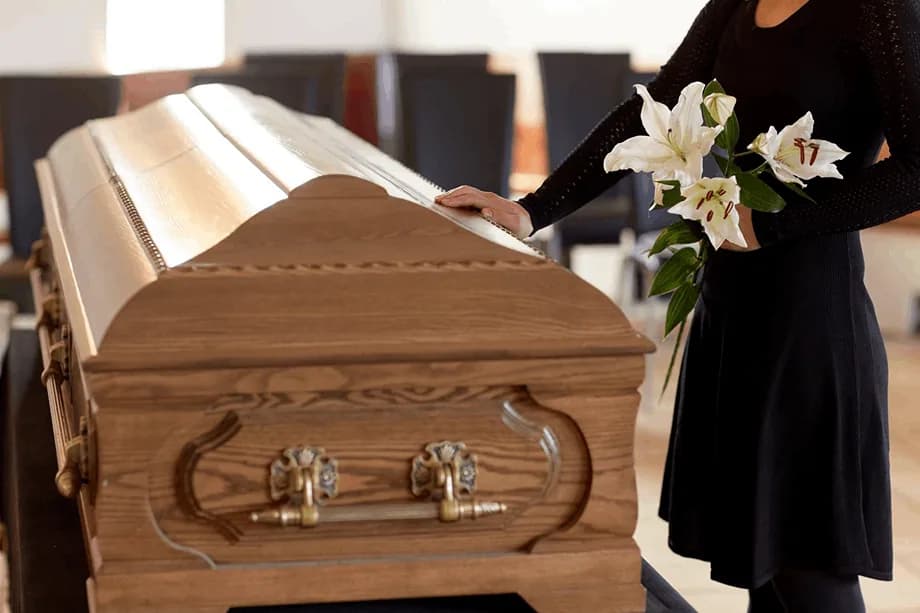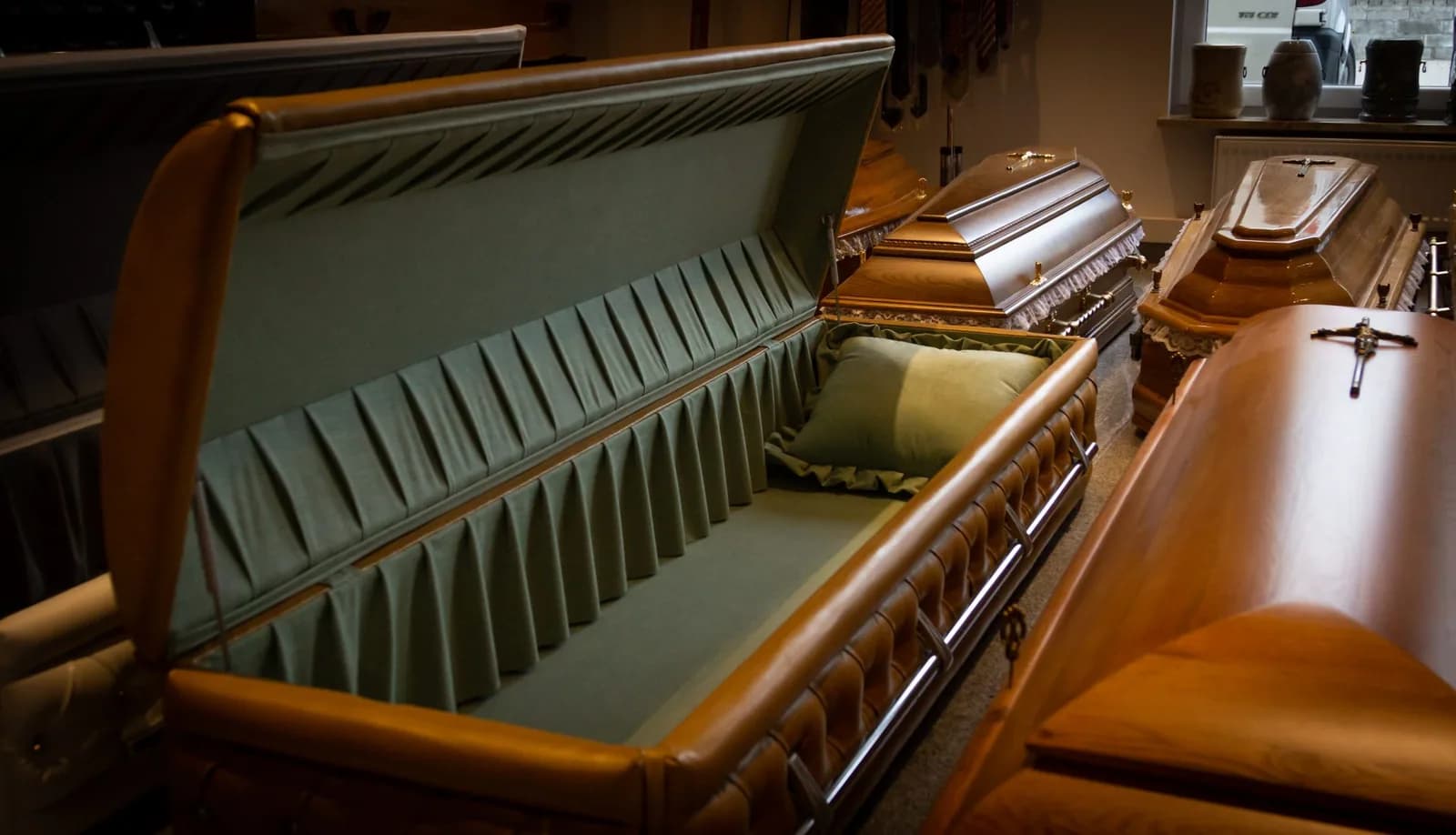
In any funeral procession, the coffin is one of the most important things to prepare carefully. Beyond making sure a coffin is available, you can also consider the type or model of coffin to be used.
The Function of a Coffin
In Indonesia, only one term is used to refer to a coffin. Abroad, especially in the United States, there are terms called coffin and casket. According to Memorial Planning, both are special containers whose function is to hold the body of the deceased. So, what is the difference between the two?
A casket is buried together with the deceased during the burial ceremony if the family does not choose cremation. If there is a cremation, the casket is not always buried, so it is only used as a place for the deceased so that family and guests can see the deceased one last time.
A coffin, meanwhile, is a six-sided burial box, with its upper part wider than its lower part. You often see coffins in Western films, especially older ones. As for its function, it is not much different from that of a casket.
10 Coffin Models
So, what are the coffin models you can find or specially order? Here is a list of recommendations, compiled from Stibbards and Join Cake.
1. Stainless Steel Metal Coffin
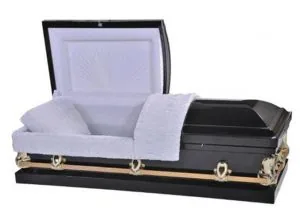
This type of coffin is very durable and resistant to corrosion (rust). You can order a stainless steel coffin with a wood veneer to give it the look of a traditional wooden coffin, which is far more commonly used.
2. Wooden Coffin
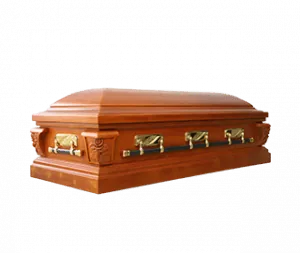
As arguably the most popular and widely used type, wooden coffins come in a very wide price range, because the price also depends on the type of wood used and the quality of the coffin's structure and construction.
Even so, there are other factors that also affect the price of a wooden coffin.
3. Standard Steel Metal Coffin
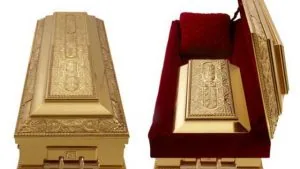
Although wooden coffins are the most common type, especially in Indonesia, there are actually many coffins made of metal, such as steel.
In fact, quite a few metal coffins are available in a variety of colors with many features, including custom options. Metal coffins are also durable, and their durability increases the thicker the material used.
4. Copper or Brass Coffin
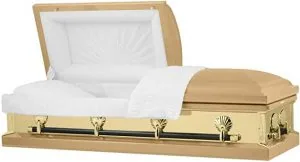
Although both are types of metal, copper or brass coffins deserve to be listed as a separate point because of their quality.
This is because the quality of copper or brass is determined by the weight of the material, not its thickness. This type is superior to steel coffins because it does not rust.
However, copper or brass will oxidize over time, so the material gradually deteriorates.
5. Fiberboard Coffin
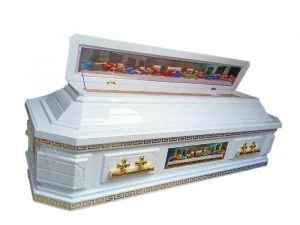
If wooden coffins still feel expensive, people often choose coffins made of fiberboard or pressed wood. Although much more affordable, fiberboard coffins still have an impressive appearance.
In addition, you can add a strong and durable fabric lining to enhance their look, all at a relatively more economical price than other coffin options.
6. Woven Coffin
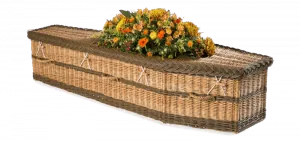
Who would have thought that woven material could also be used for coffins? Yet some people do use this material for coffins, although it is still very rare in Indonesia.
Abroad, however, woven coffins are much more common because funeral ceremonies today are no longer as traditional as they once were.
7. Bamboo Coffin
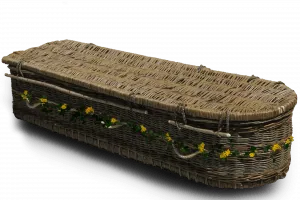
Bamboo is an environmentally friendly material and 100% natural. For this reason, more and more people are turning to bamboo as a coffin option. In addition, bamboo coffins can be used for both burial and cremation.
Other benefits of bamboo coffins include:
- Bamboo is a natural material that is 100% biodegradable.
- Compared to trees, bamboo produces up to 30% more oxygen.
- The time bamboo takes to grow to maturity is much shorter than that of woody trees. Bamboo is in fact one of the fastest-growing plants.
- To seal a bamboo coffin, you do not need to use nails or bolts.
8. Eco-Friendly Coffin
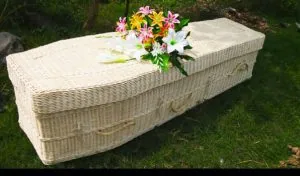
Eco-friendly coffins, meanwhile, are made from various biodegradable and sustainable materials, meaning they are environmentally sustainable.
Bamboo is one example. However, there are other eco-friendly materials as well, such as pine wood and banana stems. In addition, the processing of these materials into a coffin generally does not involve wood, metal, plastic, or the chemical formaldehyde.
9. Double-Lid Coffin
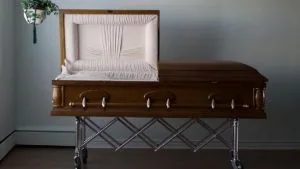
A double-lid coffin, also known as a half-couch lidded casket, is the most common type of coffin when a family wishes to give friends, relatives, colleagues, and other guests one last chance to see the deceased. The upper lid can be opened to show the face of the deceased.
10. Cremation Coffin
If you wish for the deceased to be cremated directly, you can choose a cremation coffin straight away.
Cremation coffins are usually made from more economical materials such as pressed wood, canvas, or thick cardboard. Since beauty is not the main focus of a cremation coffin, this type is less suitable for a full funeral procession.
The High Cost of Coffins
With so many types of coffins available, there is also a wide range of prices. This means you can choose the kind of coffin that suits your needs and budget. Even the most "affordable" coffin, however, usually costs in the millions of rupiah, which can still be a heavy expense for the family left behind.
Fortunately, there is funeral insurance Kamboja which offers a financial solution for you and your surviving family. With funeral insurance, various costs related to funeral procession services can be covered, so they do not become a financial burden for you and your grieving family. Kamboja also provides coffins that can ease your financial burden as well.
You can even get Kamboja funeral insurance starting from now. Since uncertainty is always part of life, it is far better to prepare for it today, no matter how old you are now. That way, you can make sure your family will not have to bear large funeral costs in the future and can grieve in a fitting and proper way.

dev_kamboja
The Kamboja team writes guides on bereavement, funeral arrangements and funeral planning to help families in Indonesia.