You may have seen the pedang pora (sword arch) ceremony at a military wedding or a state event. But did you know this ceremony is also used at funerals, especially to honor military or police personnel?
In this article, we will cover in full what the pedang pora ceremony is, why it is used at funerals, the meaning behind it, and how it is carried out.
What Is the Pedang Pora Ceremony?
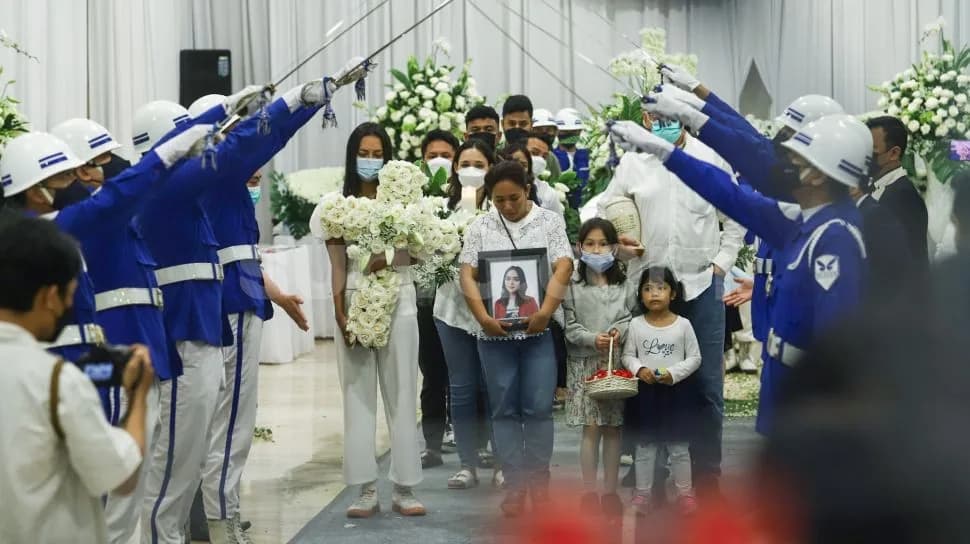
The pedang pora ceremony is a formal tradition in which a number of uniformed personnel (usually from the military or police) form a line while raising their swords, creating a symbolic arch of honor.
The raised swords are typically crossed or pointed upward, forming a symbolic corridor that the honored person passes through. In the context of a funeral, what passes through this corridor is the body or the coffin.
Originally, this ceremony was better known at military weddings as a symbol of the journey into a new life. At funerals, however, its meaning shifts into a form of final tribute to the deceased.
Why Do Some Funerals Include the Pedang Pora Ceremony?
Not every funeral uses the pedang pora ceremony. It is usually performed only in certain circumstances, such as:
1. For Military or Police Personnel
The pedang pora ceremony is part of military tradition. For this reason, the funerals of TNI or Polri members often use this ceremony as a way to honor their service and dedication.
For example, an officer who served for decades will receive a special tribute when laid to rest.
2. A Final Form of Tribute
The ceremony serves as a very formal and meaningful final tribute. With the sword arch, the funeral feels more solemn and shows how deeply the deceased's contributions are valued.
3. A Symbol of Corps Bonds
In the military, a sense of brotherhood is very strong. The pedang pora ceremony shows that even after someone has passed away, they remain part of the larger family of their institution.
4. Traditions and Official Protocol
Some state funerals or funerals with military honors do follow specific protocols, which may include the pedang pora ceremony.
The Meaning of the Pedang Pora Ceremony at Funerals
The pedang pora ceremony is more than a mere formality. Each movement carries deep meaning, including:
1. Honor and Dedication
The sword represents honor, courage, and dedication. When the swords are raised, they become a symbol of the highest respect for the deceased.
2. The Final Farewell
The corridor of swords that the body passes through represents a person's last journey from this world to eternal rest.
3. A Symbol of Protection
Symbolically, the sword also represents protection. In this sense, it is as though fellow comrades are "escorting" the deceased to their final resting place.
4. Loyalty and Solidarity
The ceremony shows that the bond among members is not broken by death. Loyalty and solidarity remain, even until the very end.
5. The Honor of the Institution
The pedang pora ceremony also reflects the honor of the institution that the deceased belonged to, and shows that their contributions are recognized and appreciated.
Procedure of the Pedang Pora Ceremony at Funerals
To give you a clearer picture, here are the general stages in carrying out the pedang pora ceremony at a funeral:
1. Preparing the Personnel
A number of military or police personnel are selected to take part in the ceremony. They usually wear full official uniforms with their insignia, including swords.
The number of personnel may vary, but it is usually between 6 and 12 people, divided into two lines.
2. Forming the Lines
The personnel stand facing each other in two parallel lines. The distance between the lines is adjusted so that the coffin has enough room to pass through. This position will then form the corridor of honor.
3. Raising the Swords
When the procession begins, the personnel raise their swords together. The swords are usually pointed upward and crossed slightly with the swords from the opposite line, forming an arch like a gateway.
This movement is performed with great precision and discipline.
4. Salute
Before the coffin passes through the corridor, a salute is usually given first. This may be a weapon salute or a specific command from the officer leading the ceremony.
5. The Coffin Passes Through the Sword Corridor
The coffin is then carried through the corridor formed by the raised swords. This moment is usually one of the most solemn parts of the funeral procession, and everyone present typically falls silent and pays their respects.
6. Lowering the Swords
Once the coffin has passed through the corridor, the personnel lower their swords together. This marks the end of the sword procession.
7. Closing the Procession
The procession then continues with the remaining funeral rites, such as prayers, lowering the coffin into the grave, and the final farewell.
Who Is Entitled to This Procession?
Not everyone receives the sword procession at a funeral. It is usually given to:
- Active members of the military or police
- Retired personnel of a certain rank
- Prominent figures who have made significant contributions to the nation
- Individuals who receive special honors from an institution
However, in some cases, the family may also submit a special request to the relevant institution to hold this procession, depending on the applicable policies.
A Dignified Final Farewell, Without the Hassle for Your Family
Every movement in this procession reflects values of honor, loyalty, and solemn farewell. Understanding the meaning behind the sword procession helps us see that a funeral is not only about saying goodbye, but also about honoring the journey of a person's life.
To help families through this difficult time, Kamboja provides a complete range of services, from funeral management to funeral services.
With professional and experienced service, families do not need to worry about the various administrative and technical processes, including transporting the body to its destination.
If you need related services, you can visit the page for body cargo services and body management services for more complete information.
For consultations and quick assistance, please contact our Customer Service via WhatsApp at the number +6282211111415.
- #funeral services
- #jasa kedukaan
- #manajemen pemakaman

Kamboja Blog
The Kamboja team writes guides on bereavement, funeral arrangements and funeral planning to help families in Indonesia.