A Complete Guide to Batak Funeral Traditions and Their Meaning
- Kamboja Blog
- (updated )
- 5 min read
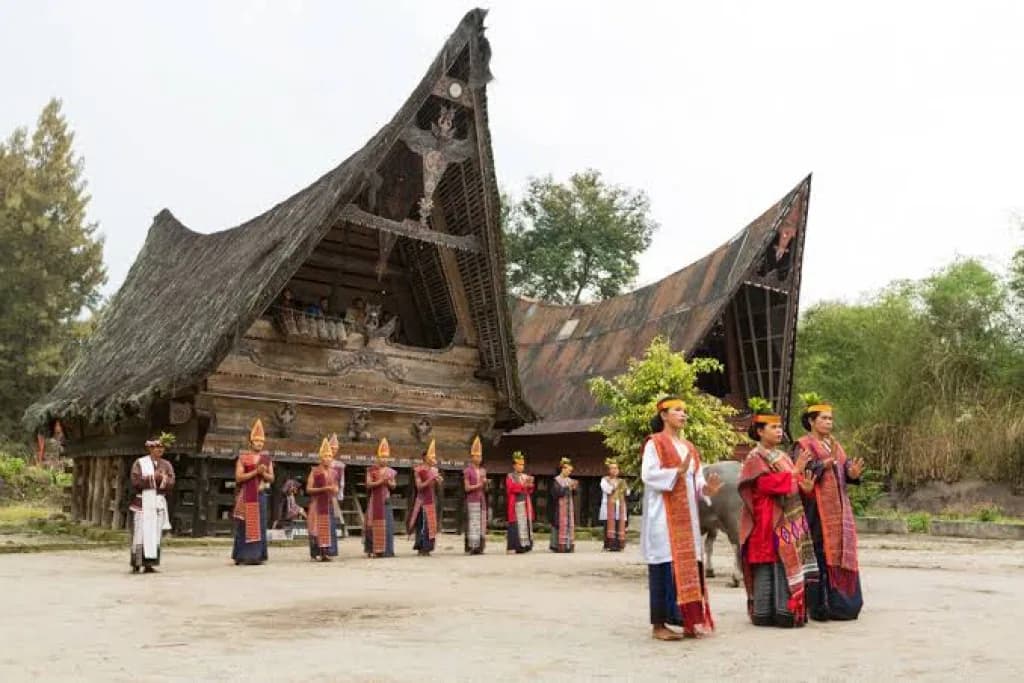
Indonesia is made up of many ethnic groups, each with its own customs. Funerals are no exception. One example is the funeral tradition of the Batak people, an important part of life for the Batak community in Indonesia, especially the Batak Toba.
This tradition reflects a distinctive philosophy of life and death, strong family values, and the relationship between people, their ancestors, and spirituality.
In this article, we will look at Batak funeral traditions in full, how they are carried out, and the meaning behind each stage, including how funeral preparation services and modern funeral services can work in harmony with traditional customs.
Batak Funerals: Perspective and Classification
In Batak culture, a funeral is not seen simply as the burial of a body, but as a series of traditional rituals rich in meaning and symbolism.
This tradition rests on the principle of Dalihan Na Tolu, a Batak social philosophy describing three pillars of kinship: Hula-hula (the wife's family), Dongan Tubu (relatives from the same clan), and Boru (the family of the daughters, who take an active role in every Batak customary ceremony, including funerals).
Death and Its Classification in Batak Funerals
In Batak tradition, customary death ceremonies are distinguished by the age and status of the deceased at the time of death. Each category has its own procedures and symbolism:
- Mate di bortian: Death while still in the womb. Usually no customary procession is held, and the child is buried directly.
- Mate poso-poso: Death in infancy. The body is covered with ulos cloth from the parents.
- Mate dakdanak: Death of a young child. Ulos is given by the tulang (maternal uncle).
- Mate bulung: Death in adolescence, similar to dakdanak.
- Mate ponggol: Death of an adult who has not married. The customary procession becomes more significant.
- Mate di paralang-alangan (Mate punu): Death after marriage but before having children. The ritual is more elaborate.
- Mate mangkar: Death after marriage, leaving young children behind.
- Mate hatungganeon: Death when the children are grown but there are no grandchildren yet.
- Mate sari matua: Death after grandchildren have been born, but not all children have married.
- Mate saur matua: Death after all children have married and had children of their own. This is considered the highest level in Batak tradition.
Batak Funeral Procedures
A Batak funeral is a sequence of customary stages carried out step by step and rich in meaning. Although each Batak sub-group has its own variations, the following traditions are commonly observed:
1. Preparation Stage
Before the procession begins, the family of the deceased gathers for deliberation (pangarapoton) to decide the type of ritual and who will play which role in the procession according to Dalihan Na Tolu.
The coffin is chosen with the customary council, the best clothing is put on the body, and symbolic items such as flowers, Sijagaron (traditional decorations on the coffin), and ulos are prepared as a mark of honor for the deceased.
2. Customary Ceremony Sequence
The following stages are generally found in Batak funeral traditions:
a. Mangulosi (Giving of Ulos)
Ulos is a traditional Batak woven cloth with meanings of protection, affection, and respect. At a funeral, ulos is given to the body and to the grieving family as a symbol of the bond of love and social support.
b. Mate Mangkar / Mangalahat Horbo Rituals
For those who died in certain statuses, such as mate mangkar or saur matua, the ritual is more complex, with a series of prayers, recitation of customary advice, and offerings.
In some Batak Toba customs, animals are also offered as a sign of respect to Debata Mulajadi Nabolon (God) and to request blessings for the bereaved family.
c. Tortor Dance and Gondang Music
The Tortor dance and Gondang music usually accompany the procession as an expression of feeling, hope, and prayer for the departed soul. This music is not merely entertainment but a symbolic medium for guiding the spirit to the next realm.
d. Burial
After the customary rites are complete, the body is taken to its final resting place. The burial site is usually the family cemetery or the village of origin. The ceremony closes with prayers, requests for blessing, and symbolic acts such as placing flowers in the grave.
The Meaning Behind Batak Funeral Processions
Each part of a Batak funeral ceremony carries deep philosophical and spiritual meaning, and is more than a formality.
1. Honor in Life and Death
In the Batak view, death is not the end but a transition to a higher spiritual state. Categories such as saur matua reflect the belief that a person has fulfilled their social responsibilities by building a complete family with descendants, so their death is considered complete and deserving of special honor.
2. Dalihan Na Tolu: The Strength of Family
Dalihan Na Tolu is not only a social structure but also an ethical framework that affirms the role of family in every stage of life, including death.
The roles of hula-hula, dongan tubu, and boru are expressed in customary meetings, the division of tasks, and the giving of ulos to the grieving family. These are symbols of solidarity that cannot be measured materially but carry deep emotional and cultural meaning.
3. Ulos: Protection and Respect
Ulos symbolizes warmth, protection, and the bonds of affection. When used in a funeral procession, ulos is more than a cloth. It carries symbols of love, respect, and the support of the community for those who are grieving.
Kamboja Can Arrange Funerals for Any Custom!
Are you or your family facing a time of grief and wanting to carry out a Batak funeral according to custom, without being burdened by complex logistics? You can entrust these needs to Kamboja Funeral Services.
Kamboja offers on-demand funeral services, from preparing the body to carrying out the funeral, including coordination with the relevant parties, administrative handling, and other technical support, so the family can focus on the final farewell and the customary procession with peace of mind.
With professional experience and services designed to bring peace of mind, this support can lighten your burden during these important moments.
For more information or direct consultation, you can contact us via WhatsApp at 082211111415. Our service team is ready to help with empathy and full respect.
- #funeral services

Kamboja Blog
The Kamboja team writes guides on bereavement, funeral arrangements and funeral planning to help families in Indonesia.


