Burial of Foreign Nationals in Indonesia: Rules and Procedures
- Kamboja Blog
- (updated )
- 5 min read
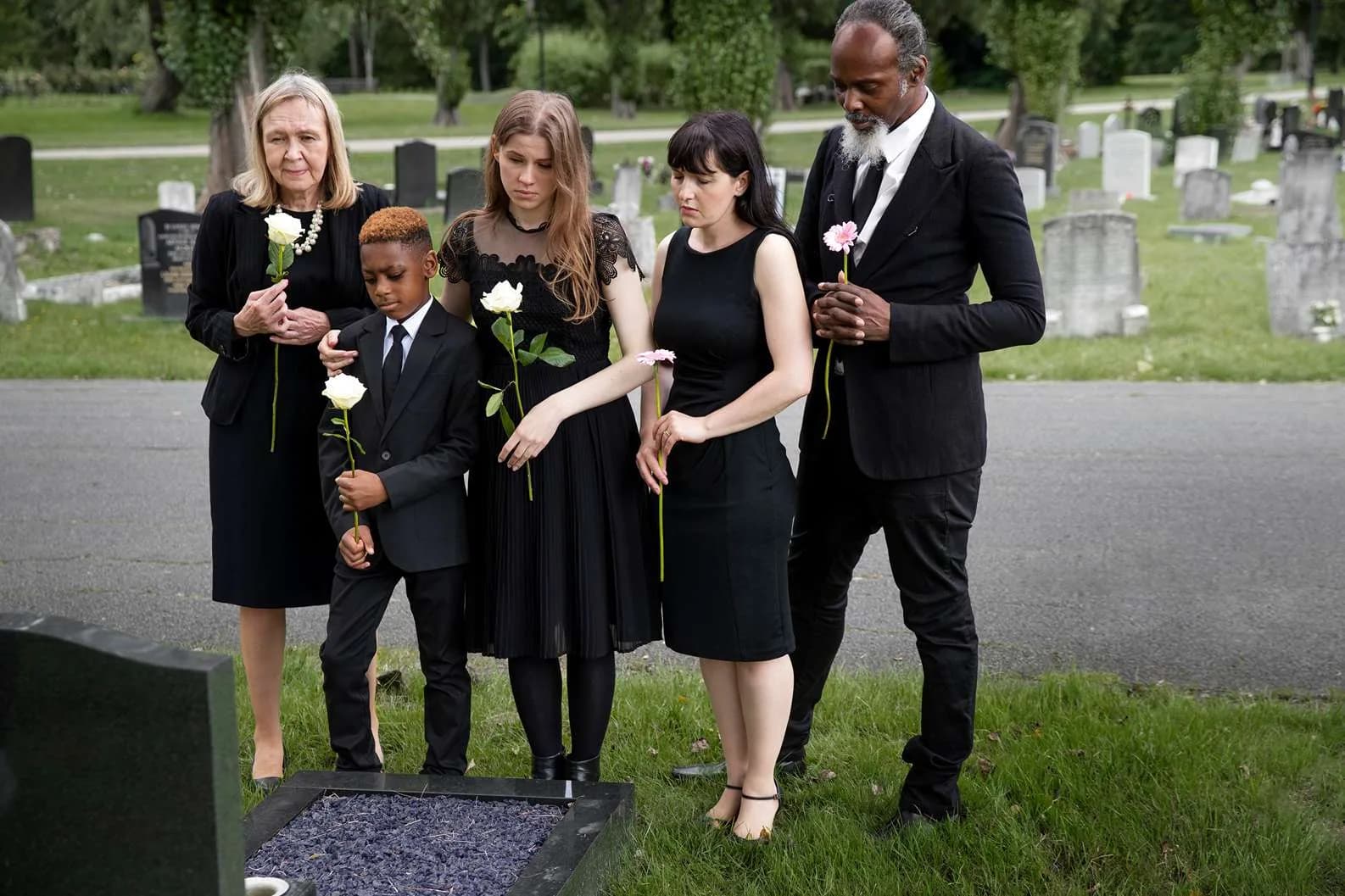
The burial of foreign nationals in Indonesia is often an overlooked topic, yet it is quite important. Especially for families, companies, or expatriate communities living in Indonesia.
When a foreign national (WNA) passes away in Indonesia, many questions arise: Can they be buried here? What are the procedures? Is it better to bury them locally or repatriate them to their home country?
This article covers, in a complete yet easygoing way, the rules, procedures, and things to prepare for the burial of foreign nationals in Indonesia.
Can Foreign Nationals Be Buried in Indonesia?
The answer is yes. Foreign nationals who pass away in Indonesia are permitted to be buried in Indonesia, as long as they meet several administrative requirements and obtain permission from the relevant authorities.
However, this decision is usually influenced by several factors, such as:
- The wishes of the family
- The religion or beliefs of the deceased
- The policies of the home country's embassy
- The availability of burial land
- Cost and ease of the process
As an alternative, families may also choose repatriation, which means sending the body back to the home country for burial there.
Options for Handling the Remains of Foreign Nationals in Indonesia
When a foreign national passes away in Indonesia, there are two main options:
1. Burial in Indonesia
The body is buried within Indonesia, usually at:
- A public cemetery (TPU), depending on regional policy
- A special cemetery (for example, an international cemetery or one based on a particular religion)
2. Repatriation (Sending Back to the Home Country)
The body is processed and shipped to the home country using specialized body cargo.
These two options have different procedures and certainly require fairly complete documentation.
Burial Procedures for Foreign Nationals in Indonesia
If the family decides to bury a foreign national in Indonesia, there are several stages that must be followed in order. Each step is important to ensure the process runs smoothly, both administratively and legally.
1. Confirmation of Death by the Hospital or Doctor
The first step is to obtain a death certificate. If the deceased died in a hospital, this document will be issued by the hospital.
If the death occurred at home, the attending doctor will issue it. This letter is a very important foundational document, as it will be used to handle all subsequent processes, including body handling services.
2. Reporting to the Embassy
After that, the death of a foreign national must be reported to the embassy of their home country. The embassy plays an important role in assisting the family, from providing guidance and helping with administration to issuing additional documents if needed.
Coordinating with the embassy also ensures that all procedures comply with international regulations.
3. Obtaining Documents from the Police (If Required)
If the death occurred under unnatural circumstances, such as an accident or another cause requiring investigation, the family needs to obtain documents from the police.
This is usually an official letter accompanied by the results of a forensic examination (visum) or autopsy. This step is important to ensure the cause of death is legally recorded and does not cause legal problems later.
4. Processing the Death Certificate (Akta Kematian)
The next stage is to process the civil death registration at the local Population and Civil Registry Office (Disdukcapil). To process a death registration for a foreign national, several documents are usually required, such as the deceased's passport, the death certificate, a letter from the embassy, and the identity of the person reporting.
This death registration is an official document that is essential for various further administrative needs.
5. Burial Permit
Before the burial takes place, the family must obtain permission from the cemetery management and, in some cases, from the local government.
Note that each region may have different rules regarding the burial of foreign nationals, so it is best to make sure all requirements are met from the start.
6. The Burial Process
Once all documents and permits are complete, the burial can proceed. The arrangements are usually adapted to the religion or beliefs of the deceased and the family's traditions. With all body handling preparations in order, the family can focus more on paying their final respects calmly and with dignity.
However, if you would rather not deal with the fairly complex procedures yourself, you can also use a funeral service from Kamboja.
Our professional services can help with everything from document processing and handling of the body to conducting the burial or even repatriation, so the family does not have to bear the burden in the midst of grief.
Documents to Prepare for the Burial of Foreign Nationals in Indonesia
Below is a list of commonly required documents:
- A death certificate issued by the local village or sub-district office.
- A death certificate based on a forensic examination (visum), issued by an authorized doctor or medical professional.
- A copy of the family card and the identity documents of the deceased, especially for foreign nationals with limited stay permits.
- A copy of the deceased's birth certificate as supporting personal data.
- For foreign nationals specifically, additional documents must be provided according to their immigration status, including:
- For holders of permanent stay permits, a photocopy of the KTP (identity card) and family card of the parents.
- For holders of limited stay permits, the SKTT (Certificate of Residence) of the parents.
- For holders of visit permits, the immigration documents of the parents.
If you choose repatriation, the documentation will be more complex (including quarantine permits, embalming, and other requirements).
When Grief Arrives, Let Kamboja Handle the Rest
In closing, arranging the burial of a foreign national in Indonesia does require extra attention, as it involves many procedures and documents that must be fulfilled.
In the midst of grief, this process can feel quite exhausting if handled alone. That is why using a professional service such as Kamboja can be a practical solution, helping everything run more smoothly, in order, and with the deceased honored with dignity.
If you need help or would like more information, feel free to contact the Kamboja team directly via WhatsApp 082211111415. Our professional team is ready to help the grieving family quickly and accurately.
- #funeral services

Kamboja Blog
The Kamboja team writes guides on bereavement, funeral arrangements and funeral planning to help families in Indonesia.


