The Funeral Management Unit is one of the key teams in the process of caring for the deceased, whether at hospitals, funeral homes, or other related institutions.
This unit carries a great responsibility in ensuring that the deceased are cared for properly, in accordance with religious, cultural, and applicable legal provisions.
In this article, we will discuss in detail what the Funeral Management Unit is, along with the duties and roles it plays in managing the deceased.
What Is a Funeral Management Unit?
A Funeral Management Unit is a unit or team established to manage all processes related to the care of the deceased. This unit may operate under a hospital, a religious organization, a social foundation, or a government agency responsible for funeral services.
The main purpose of this unit is to provide dignified and respectful service for the deceased, as well as support for the families left behind.
Duties and Roles of a Funeral Management Unit
The Funeral Management Unit carries a great responsibility in ensuring that the deceased are cared for properly and in accordance with religious, cultural, and applicable legal provisions. The following are the main duties and roles of a Funeral Management Unit:
1. Collection and Transfer of the Deceased
One of the primary duties of the Funeral Management Unit is to collect the deceased from the place of death and transfer them to a hospital, funeral home, or other place of rest.
This process requires care and a high degree of respect for the deceased, and must follow applicable health and safety protocols.
2. Preparation of the Deceased
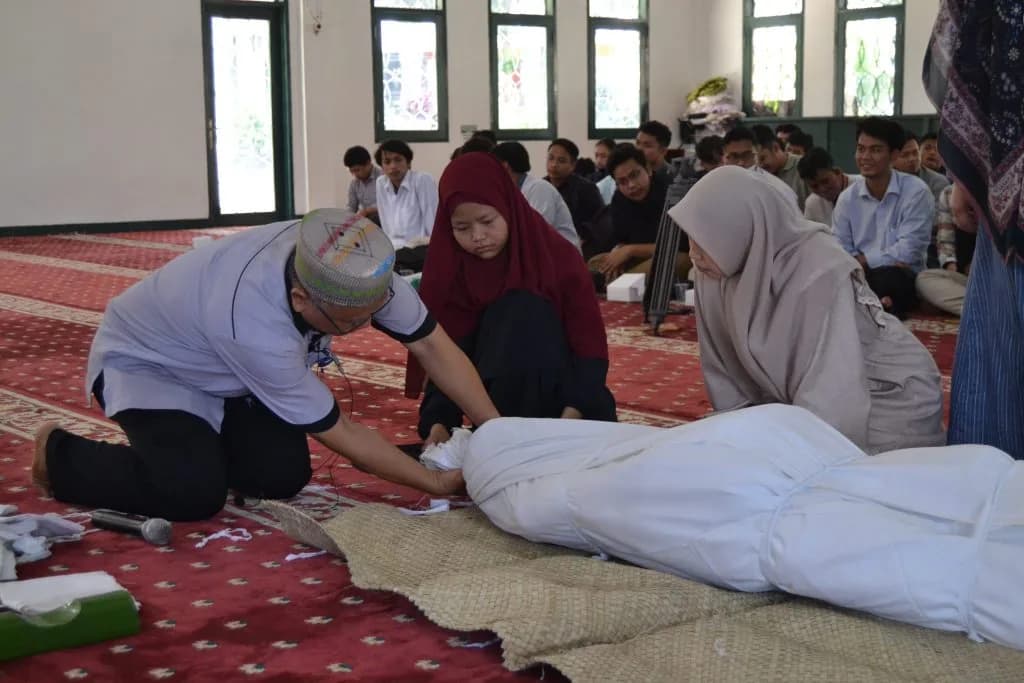
Preparation of the deceased is an important process that includes cleaning, care, and preservation of the body. The unit is responsible for ensuring that the deceased are treated with respect throughout this process. Tasks included in preparation of the deceased include:
- Washing the Deceased
In accordance with the religious or belief provisions followed by the deceased and their family.
- Shrouding or Preparing Burial Clothing
Wrapping the deceased in a shroud or dressing them in appropriate clothing.
- Preservation of the Deceased
If required, using preservation techniques to slow the process of decomposition.
3. Document Processing
The process of managing the deceased involves many administrative documents that must be handled, including processing of the death certificate, burial permits, and other legal documents.
The Funeral Management Unit is responsible for ensuring that all required documents are processed correctly and on time.
4. Family Consultation and Support
The unit also provides emotional support and consultation to grieving families. They help families choose funeral services, provide information about the procedures to follow, and accompany them through the funeral process.
This service is very important in helping families get through the difficult period after losing a loved one.
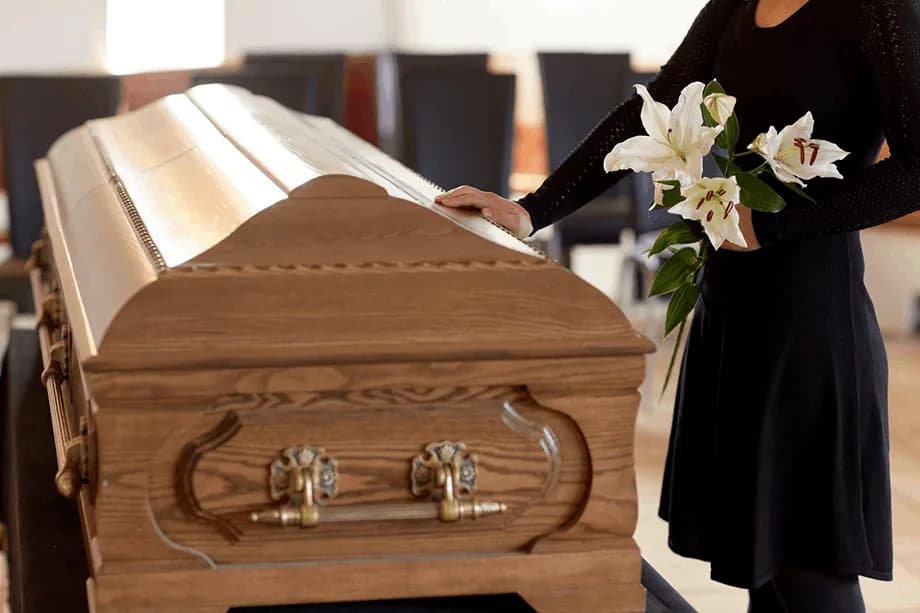
5. Conducting Funeral Ceremonies
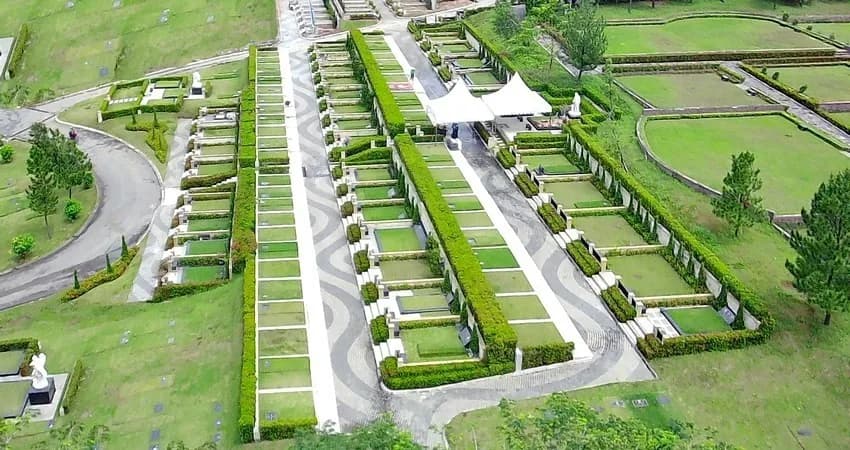
The Funeral Management Unit arranges and carries out funeral ceremonies in line with the family's wishes and applicable customs. This includes arranging the burial site, the timing of the ceremony, and other details related to the funeral.
They work together with related parties such as cemetery administrators, religious leaders, and security personnel to ensure the ceremony runs smoothly and solemnly.
6. Transportation of the Deceased
In addition to the initial collection, the Funeral Management Unit is also responsible for transporting the deceased to the cemetery or crematorium.
They ensure that transportation is carried out with suitable vehicles that meet standards, and that the deceased are respected throughout the journey.
7. Arranging Cremation
For families who choose cremation, the unit also provides services to arrange the cremation process. This includes preparing the deceased for cremation, handling related documents, and handing over the ashes to the family.
8. Education and Training
The Funeral Management Unit also plays a role in providing education and training to its staff and the general public on how to care for the deceased properly and correctly. This covers training on body care techniques, safety procedures, and understanding of the various customs and traditions involved.
Health and Safety Protocols
In carrying out its duties, the Funeral Management Unit must comply with strict health and safety protocols, especially during a pandemic or the outbreak of an infectious disease.
They must ensure that all procedures for handling the deceased are carried out with appropriate personal protective equipment (PPE) to prevent the spread of disease.
Managing the deceased is not an easy task, and the Funeral Management Unit often faces various challenges, including:
a. Emotional Demands
Dealing with grieving families and needing to provide adequate emotional support.
b. Limited Resources
Limited staff and facilities that sometimes hinder the funeral process.
c. Administrative Complexity
Document processing that can be very complicated and time-consuming.
d. Compliance with Customs and Law
The need to understand and comply with the various customary, religious, and legal provisions.
Looking for a Funeral Management Unit?
The Funeral Management Unit plays a very important role in society, especially in providing a dignified final farewell to those who have passed away and offering support to the families left behind.
The duties they carry out are varied and require high levels of skill and dedication. From collecting and preparing the deceased to the final ceremony, everything is done with the aim of ensuring that the deceased are treated with respect and dignity in accordance with applicable provisions.
By understanding the roles and duties of the Funeral Management Unit, we can better appreciate their hard work and dedication in carrying out this noble task. We hope this article provides deeper insight into the importance of this unit in the process of caring for the deceased.
If you need funeral management services, you can use the funeral services of Kamboja. You can contact Kamboja's funeral service directly, and they will help you with care of the deceased wholeheartedly.
Kamboja provides transportation facilities for the DKI Jakarta area, complete management of Muslim funerals, and death certificate processing. With this, even sudden funeral arrangements can be carried out safely and comfortably. Contact Kamboja now and get other important information.

Kamboja Blog
The Kamboja team writes guides on bereavement, funeral arrangements and funeral planning to help families in Indonesia.