When someone we love passes away, families are often faced with many important decisions in a short period of time. For Buddhists, the funeral process carries deep spiritual meaning, not merely a formal procedure.
However, for many people, especially those who have never arranged a funeral before, this process can feel confusing. What needs to be prepared? What are the customs for caring for the deceased in Buddhist tradition? Who is usually involved in this process?
Let us discuss this in full here.
The Meaning of Caring for the Deceased in Buddhist Tradition
In Buddhist teaching, death is seen as a natural part of the cycle of life known as birth, life, death, and rebirth. Death is not the end of everything, but a process of transition toward the next life.
For this reason, caring for the deceased is not only aimed at maintaining the physical condition of the body, but also carries spiritual meaning, namely:
1. Honoring the life that has been lived
The deceased is treated with great respect as an expression of appreciation for the life they have lived.
2. Helping the process of inner release
Prayers, sutras, and rituals are performed to help the consciousness of the deceased let go of worldly attachments.
3. Providing peace for the family
The funeral ceremony becomes a means for the family to accept the reality and say their final farewell.
Stages of Caring for the Deceased in Buddhism
In general, the care of the deceased in Buddhism consists of several main stages. Although it may vary slightly depending on the tradition or Buddhist school, the basic steps are relatively similar.
1. Initial Handling After Death
After a person is pronounced dead, the family usually does the following:
- Gently closing the eyes of the deceased
- Arranging the position of the body
- Placing the hands in a calm position
- Lighting incense or candles as a symbol of respect
In some Buddhist traditions, the body is not immediately moved or excessively touched for some time after death. This is done because it is believed that the consciousness of a person is still in the process of leaving the body.
Usually the family will also begin inviting monks or religious leaders to lead prayers.
2. Cleaning and Care of the Body
The next stage is the cleaning of the body. This process is carried out with full respect and is usually handled by professional staff from a funeral home or body care services.
Some of the steps carried out include:
- Cleaning the body
- Neatly arranging the hair
- Dressing the body in decent clothing
- Arranging the body neatly in position
In some cases, the family may also choose to have the body preserved through embalming, especially if the body will be kept for viewing over several days.
3. Dressing the Deceased
In Buddhist tradition, the clothing for the deceased is usually chosen to be simple and neat. The choice of clothing may be white garments (a symbol of purity), the deceased's favorite outfit, or modest formal wear.
Some families also add a covering cloth or simple accessories as part of the final act of respect.
4. Placing the Body in the Coffin
After the body has been cared for and dressed, it is placed inside the coffin. Usually, before the coffin is closed, the family is given the opportunity to:
- Offer prayers
- Pay their final respects
- Place flowers or symbolic items
- The coffin is then taken to the funeral home or viewing place.
5. The Viewing Process
The viewing is the time when family and relatives can come to pay their final respects.
During this period, the following are usually carried out:
- Recitation of sutras
- Prayers by monks
- Offering of incense and flowers
- Ceremonies of respect from the family
The viewing may last from 1 to several days depending on the family's tradition.
6. Funeral or Cremation Ceremony
In Buddhist tradition, there are two main options for handling the body:
a. Cremation
Cremation is a fairly common choice in Buddhist tradition. This process symbolizes the release of the physical body and a return to the elements of nature.
b. Burial
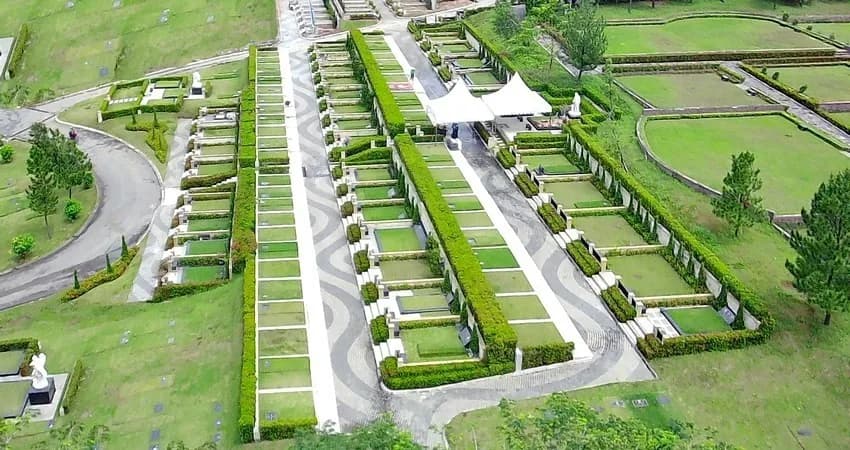
Some families also choose burial in a grave, especially if following certain traditions or the family's wishes.
During this ceremony, the following are usually carried out:
- Recitation of prayers
- Procession of final respect
- Escorting the body to its final resting place
7. Rituals After the Funeral
After the burial or cremation, some families still perform follow-up rituals. For example:
- Prayers on the 7th day
- Prayers on the 49th day
- Annual memorial ceremonies
These traditions aim to continue praying for the journey of the deceased's consciousness.
What Is Needed in Arranging a Funeral
In the process of arranging a Buddhist funeral, there are several requirements that usually need to be prepared.
1. Administrative Documents
Some important documents that are usually required include:
- A certificate of death from the hospital
- The deceased's identity card (KTP)
- Family card (Kartu Keluarga)
- Permit documents for burial or cremation
These documents are needed to handle various administrative processes.
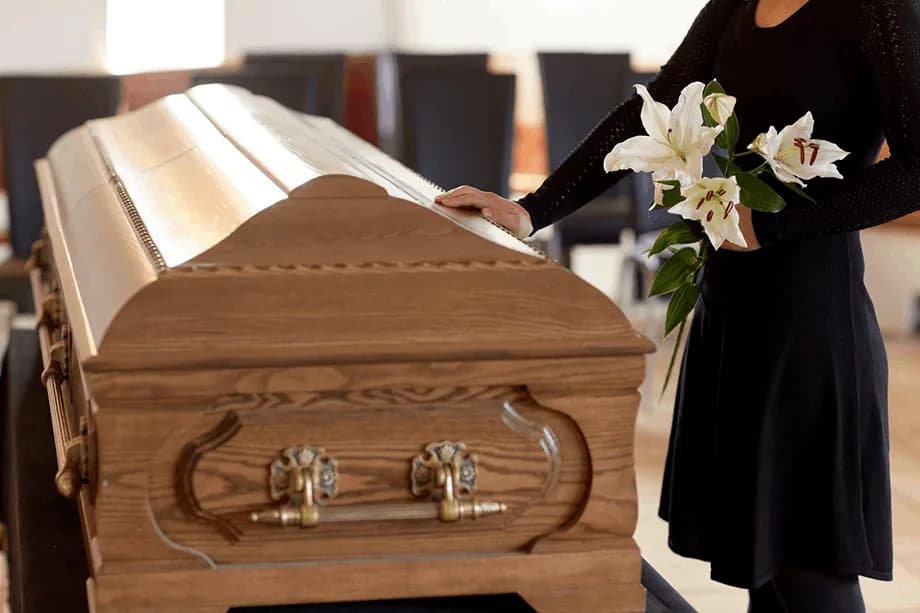
2. Coffin
Next, the coffin is one of the main items in the funeral procession.
The coffin is usually chosen based on:
- Size
- Material
- Design
Some families choose a simple coffin, while others choose one with a special design.
3. Place of Viewing
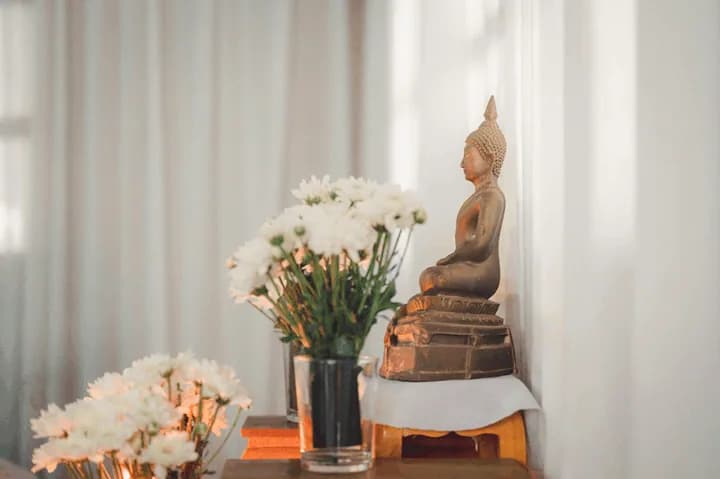
The body is usually kept at a funeral home, vihara, or family home. The viewing place is usually also equipped with a small altar for prayer.
4. Ritual Items
Some commonly used items include:
- Incense
- Kimcua (ritual paper)
- Candles
- Flowers
- A photo of the deceased
- Offerings (usually in the form of food or fruit)
- A prayer altar
These items are used during the viewing and prayer ceremonies.
5. Funeral Services
Many families choose to use professional funeral services to help manage the entire funeral process in a more organized and calm way. Arranging a funeral often involves many things, from caring for the body to organizing the ceremony.
Because of this, the presence of an experienced funeral service is very helpful so that families do not feel overwhelmed during a time of grief.
One service provider that can help with this process is Kamboja, known as a professional funeral service ready to accompany families in arranging the complete sequence of funeral rites with thoroughness and respect.
With experience in handling various funeral needs, the Kamboja team helps ensure that every process runs in an orderly, well-arranged manner that matches the traditions the family wishes to follow.
With the help of a professional funeral service such as Kamboja, families can focus more on paying their final respects and go through the grieving process more peacefully, without being burdened by the many complex technical matters.
Kamboja: A Complete Solution for Buddhist Funeral Services
As an experienced funeral service provider, Kamboja also offers Buddhist funeral services designed to help families carry out the entire procession in an orderly and respectful manner in accordance with tradition.
From body care, providing ceremonial items, arranging the viewing, to the burial or cremation process, everything can be handled by a professional team.
This way, the family does not need to struggle with the many technical matters during a time of grief, and can focus more on paying their final respects to their loved one.
For more information about Buddhist funeral services from Kamboja, you can contact our WhatsApp Customer Service at 082211111415. Our team is ready to assist you with empathy and professionalism.
- #funeral services

Kamboja Blog
The Kamboja team writes guides on bereavement, funeral arrangements and funeral planning to help families in Indonesia.