The 49-Day Ritual After Death in Buddhism: Its Meaning and Preparations
- Kamboja Blog
- (updated )
- 6 min read
Losing a loved one is undoubtedly a difficult moment for anyone. In Buddhist teaching, death is not regarded as the end of everything, but as part of life's journey toward the next rebirth.
For this reason, families observe various traditions and prayers to honor the deceased, one of which is the 49-day ritual after death.
To some, this tradition may sound unfamiliar. Yet in Buddhism, the 49-day ritual after death carries a very profound spiritual meaning.
This ritual is believed to be a form of prayer, reverence, and support for the consciousness or spirit's journey toward a better next life.
What Is the 49-Day Ritual After Death?
The 49-day ritual after death is a tradition of prayer and remembrance performed in Buddhism for those who have passed away. It is usually held over 49 days from the day of death, with communal prayers offered every 7 days up to the 49th day.
In Buddhist teaching, the 49-day period is believed to be the time during which the consciousness or spirit travels toward its next life. For this reason, family and close relatives usually pray for the deceased to find peace, good karma, and rebirth into a better life.
Beyond being a final expression of respect, the 49-day ritual after death is also a moment for the family to gather, remember the deceased's kindness, and learn to accept the loss with greater sincerity.
This ritual is typically carried out through the recitation of prayers or sutras, lighting incense and candles, and offering simple gifts as symbols of respect and affection for the one who has passed.
To help the family go through the procession with greater calm and order, Buddhist funeral services from Kamboja.co.id is here to assist with the various needs of mourning ceremonies, from preparing the ritual and worship items to arranging communal prayer sessions, so that the family can focus on accompanying and praying for their loved one.
Philosophy and Beliefs in the 49-Day Ritual
The 49-day ritual after death has a philosophy that is closely tied to beliefs about the spirit's journey after death.
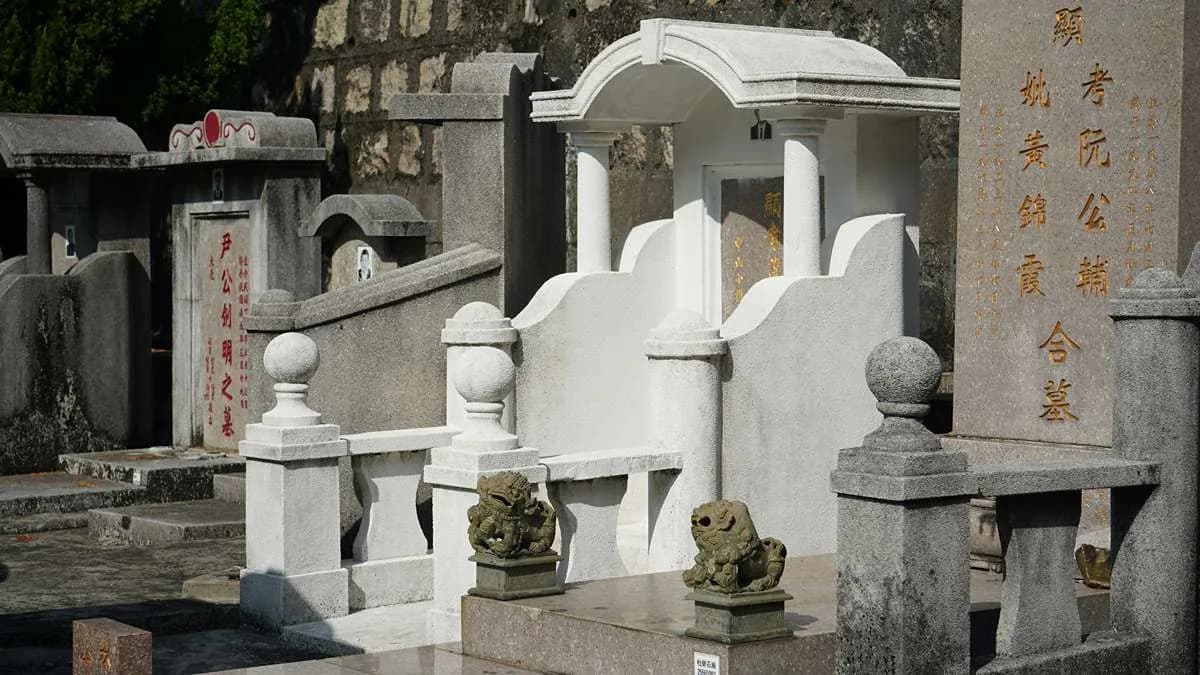
In Chinese tradition, particularly among those influenced by Mahayana Buddhism, it is believed that the spirit of the deceased remains close to the family for 49 days before continuing on to the next realm.
For this reason, families usually hold prayers and remembrance at regular intervals to help the spirit find peace and a good path. This tradition also symbolizes the family's closeness to the deceased, since it is believed that the spirit can still feel the prayers and attention of those closest to it.
In Indonesia, particularly among the Chinese community in Medan, the 49-day ritual is still fairly commonly observed and is usually influenced by the Mahayana school of Buddhism.
Interestingly, however, this tradition is not always directly tied to a particular religion. In some countries such as Japan and South Korea, the 49-day tradition continues to be practiced even though their communities hold different beliefs.
This shows that the ritual has also become part of culture and of families' expressions of remembrance passed down through generations. In addition, the number 49 is believed to carry spiritual meaning because it derives from the calculation of 7 times 7 days. Every seven days is regarded as an important stage in the spirit's journey toward the next realm.
Rituals Performed Over the 49 Days
In the Chinese tradition influenced by Buddhism, the 49-day ritual after death is carried out in stages as a form of respect for the deceased. Each day and each procession has its own meaning, which is believed to help the spirit's journey toward the next realm.
1. Day One to Day Three
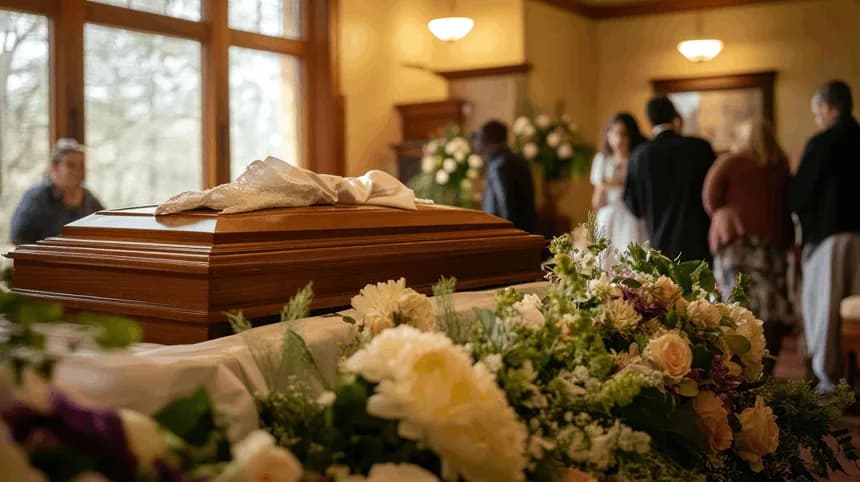
After a person dies, the body is usually laid out for three days at the family home or funeral home.
During this period, family, relatives, and friends come to pay their final respects and pray for the deceased. The atmosphere is typically kept calm and respectful, as an expression of the family's grief.
2. Day Three
On the third day, a funeral or burial ceremony is usually held. Before the procession begins, a religious leader leads a communal prayer attended by the family of the deceased.
Afterward, the coffin is lowered into the grave. In Chinese tradition, family members are usually not permitted to watch the lowering of the coffin directly, as it is believed this may bring misfortune or bad luck.
Once the burial is complete, the family scatters flowers and tosses a handful of soil toward the coffin as a symbol of final respect. At the end of the ceremony, the religious leader usually distributes wheat, mung beans, corn, and coins as symbols of blessing and prosperity for the family left behind.
In addition, paper houses or symbolic items are burned, which are believed to be usable by the deceased in the next realm.
3. Day Seven
On the seventh day, the family again holds a worship service to honor their ancestors. Usually the family prepares food, drinks, and paper offerings as gifts.
This ritual is often performed in the early hours before sunrise, because it is believed the spirit of the deceased comes to visit the family during that time. Its purpose is to show respect and to offer prayers that the spirit's journey may proceed peacefully.
4. Day 49
The 49th day marks the peak of the mourning rituals. On this day, the family again performs worship and communal prayers, both at home and at the deceased's grave.
Many families also invite a religious leader to lead special prayers. In the beliefs of the Chinese and Mahayana Buddhist communities, the 49th day is believed to mark the end of the spirit's journey before it moves on to the next realm.
5. Day 100
After the 49th day has passed, families usually still hold prayers on the 100th day.
This ritual is held at the deceased's grave and is often followed by a meal together with the extended family as a form of respect and togetherness.
The ceremony is usually led by a religious leader and is sometimes accompanied by traditional oriental music.
The 49-Day Ritual: Rich in Meaning and Respect
The 49-day ritual after a death in Buddhism is not only a religious tradition, but also an expression of love, respect, and prayer for the one who has passed away. Through this ritual, the family hopes the deceased will find peace and the best journey toward the next life.
When losing a loved one, families need a calm atmosphere, free from being burdened by the many preparations for the funeral. That is why Kamboja.co.id provides complete services, from Buddhist body washing services to Buddhist funeral services carried out professionally and with full respect.
All burial and cremation needs will be handled with care, from preparing the ceremony and prayer equipment to arranging the mourning procession. For more detailed information, you can contact the Kamboja.co.id team at the number 082211111415.
- #funeral services
- #jasa kedukaan
- #proteksi kedukaan

Kamboja Blog
The Kamboja team writes guides on bereavement, funeral arrangements and funeral planning to help families in Indonesia.