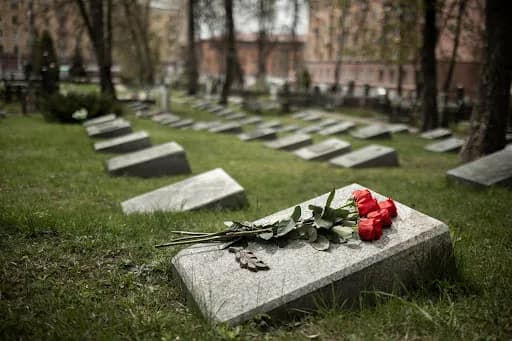
Visiting graves is a tradition in Muslim communities. People make these visits to pray for family members and for respected figures such as the wali. Visits are usually made on Thursdays and Fridays. Besides praying for the deceased, a visit is also an opportunity to clear the grass around the grave.
Many people diligently keep graves clean by sweeping them and pulling up grass, hoping the burial ground will look more beautiful. Unfortunately, there are some things that should not be done when cleaning a grave. Read the full explanation below!
Cemetery Grass
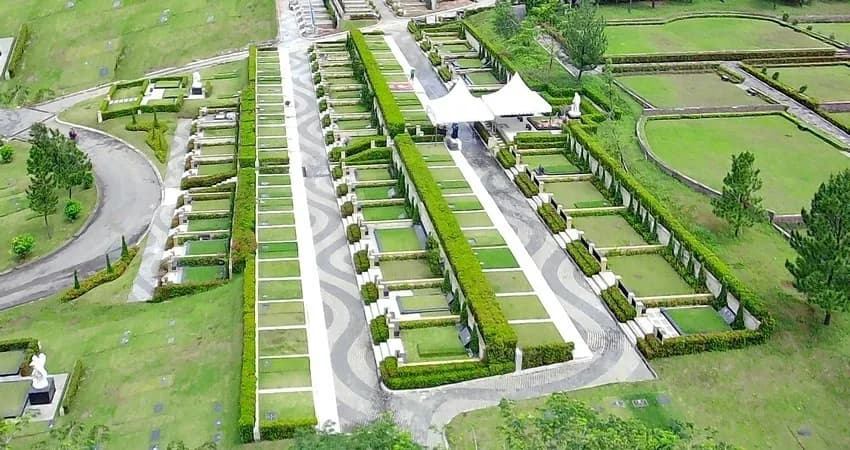
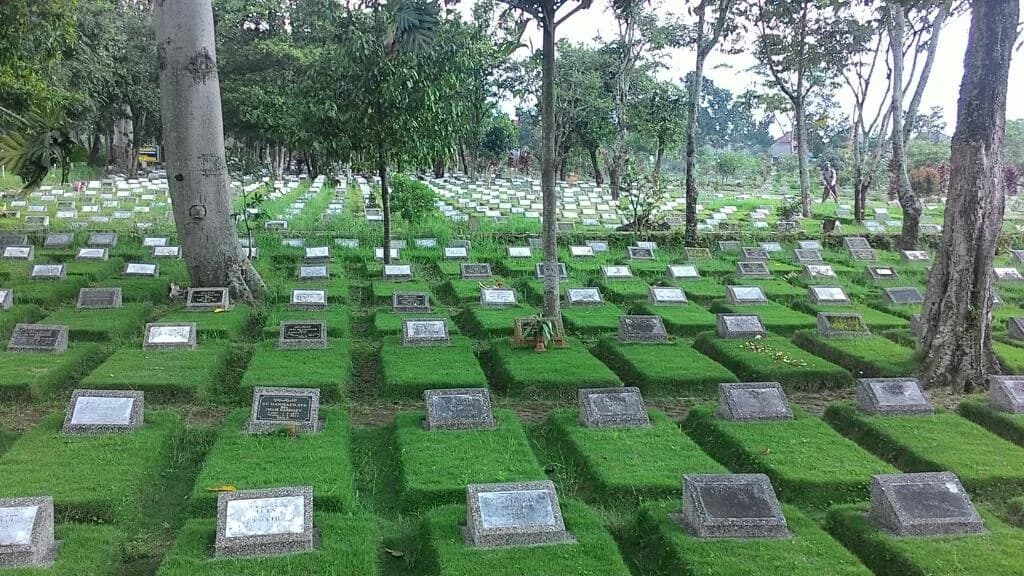
Grass is something you will commonly find in burial grounds. Most people decorate graves with ornamental grass or Japanese grass, trimmed neatly. In large cemeteries, there are usually cleaning staff who keep the grass looking tidy.
This differs from some cemeteries in certain regions, where graves are left without regular maintenance. Often, the family takes on the job of clearing the grass during grave visits so the grave looks neat and cared for. But who knows what the Islamic rules are on clearing grass in a burial ground?
Clearing the grass on top of graves is something many Indonesians do regularly. Some people even clear it by burning it. This seems harmless, since not everyone understands the rules and the effects that clearing grass on a grave can have on the deceased buried below.
In fact, burning rubbish in a cemetery or around graves is said to cause suffering to the deceased below. Pulling grass up by the roots has a similar effect. So it is important for you to clearly understand what can be done to care for a cemetery properly according to Islam.
The Ruling on Pulling Up Cemetery Grass
Islamic law addresses the tradition of cleaning grave soil by pulling up grass. Pulling up grass and burning it can hurt the deceased buried in the grave, since some scholars state that the deceased can feel what the living feel.
According to most scholars, cleaning a grave by pulling up grass or other plants is not permitted. This is because plants growing on a person's grave can help lighten the punishment of the grave.
This is reflected in the story of the Prophet Muhammad SAW, who once placed a palm frond on the soil of a grave that had not yet dried. He said, “May Allah lighten the punishment of this deceased person for as long as the frond stays moist.” This means the palm frond can bring coolness and ease the burden on the deceased below.
Scholars then linked the practice of placing palm fronds to grass or plants on graves. Both are considered to have the same ruling because both benefit the deceased. If the area above the grave is shaded, the deceased below may also feel that shade.
Plants and grass are living creations of Allah. Their presence on a grave can therefore help the deceased find some shade. Cemetery grass may even pray for the deceased. For this reason, scholars forbid pulling up all of the grass that is still green and fresh.
In broad terms, according to the Shafi'i school, pulling up grave grass is permitted on the condition that the grass is already dry. If it is still fresh and moist, you must not pull all of it up by the roots. You should leave some for the deceased. According to the Hanafi school, the ruling is makruh (discouraged) and mubah (permissible).
Types of Cemetery Grass
Planting grass on a grave is a good way to make the burial site more beautiful and fresh. There are several types of grass you can plant. The most commonly used are Japanese grass, or zoysia japonica , and paitan or mini elephant grass.
This grass is usually available as ready-to-plant seedlings, typically around 10 x 10 cm per piece. The area of grass needed for a grave plot is generally around 6-10 m² per plot.
If you are still unsure, you can use a cemetery protection service to handle everything related to the burial process and grave maintenance. That way, you do not need to prepare the grass yourself to beautify your family's grave site.
Cemetery Protection Services
Do you not have much time to visit and maintain your family's grave? A cemetery protection service can be the solution. Kamboja is a provider of burial services in Jakarta offering a range of cemetery protection packages. You can arrange the burial process quickly and in an organized way.
As a burial event organizer Kamboja offers a fairly wide range of prices for cemetery protection. If you are looking for a site in South Jakarta cemeteries, or need a grave in the Central Jakarta area, Kamboja is the right choice.
Burial handling services from Kamboja help arrange graves at public cemeteries (TPU) across the Jabodetabek area. So you do not need to worry about not finding a decent place for a family member or close relative. There are several cemetery options in various cities across Greater Jakarta.
That is not all. Kamboja's burial packages also include aftercare following the day of mourning. You can receive cleaning services, including grass maintenance on the grave, on a regular basis. This way, the grass stays in good condition and the upkeep follows Islamic principles. What are you waiting for? Contact Kamboja's team now!
Do You Know the Ruling on Grass in Cemeteries?
You don't need to worry anymore about the grass growing around the grave. Grass in a cemetery is believed to help ease the burden on the deceased in the grave, so you should only clear away grass that has dried up and died. To make it more convenient, get grave grass maintenance services from Kamboja!

dev_kamboja
The Kamboja team writes guides on bereavement, funeral arrangements and funeral planning to help families in Indonesia.