Hearse Operating Procedures (SOP): From Driving Speed to Yellow Flags
- Kamboja Blog
- (updated )
- 5 min read
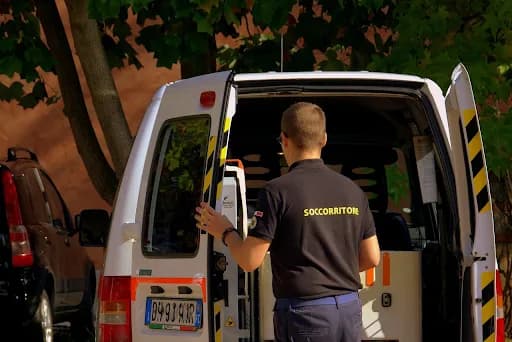
When transporting the deceased to the family home or to the cemetery, the use of a hearse must follow certain rules so the journey remains safe, orderly, and respectful of the departed.
Many people do not realize that a hearse must not drive recklessly, cannot sound its siren at will, and follows a different code of driving etiquette than an emergency ambulance.
That is why it is so important to understand hearse operating procedures. Let's go through them one by one!
Driving Etiquette in a Funeral Procession
Accompanying a loved one on their final journey is a moment full of reverence. However, that does not mean the hearse can drive however it likes on the road.
For this reason, it is very important to understand hearse operating procedures and the driving etiquette during a procession. This way, the journey can be safe, orderly, and respectful to everyone involved.
1. A Reasonable Speed, Not an Emergency Speed
One of the main principles in hearse SOPs is maintaining a reasonable speed. A hearse is not permitted to travel like an emergency vehicle, even when carrying a loved one.
The purpose is clear: safety comes first. A reasonable speed means the driver adjusts the vehicle's pace to the condition of the road, the weather, and the density of traffic.
Congested or slippery roads must still be handled with care. This SOP helps reduce the risk of accidents, both for the hearse driver and for other road users. So even though the moment is deeply emotional, drivers must remain professional and not rush.
2. The Use of Yellow Flags as a Visual Marker
Besides speed, another important SOP is the use of yellow flags on hearses. These flags serve as a visual marker for other drivers, letting them know that the vehicle is carrying the deceased and is on a special journey.
Yellow flags are usually mounted on the front or rear of the vehicle so they can be easily seen from a distance. Their function is similar to a gesture of respect on the road. With yellow flags in place, other drivers are expected to give space, avoid aggressive overtaking, and help the procession move safely.
In addition to flags, some hearses are also equipped with warning lights that are not as strong as emergency sirens but are sufficient to draw the attention of other drivers. All of this is part of the SOP to keep funeral processions orderly, safe, and respected on the road.
3. Procession Etiquette for Hearse Drivers
During a procession, hearse drivers must observe several etiquette rules:
- Keep a Safe Distance Between Vehicles
Do not follow too closely behind the vehicle in front, so that you can still anticipate emergencies.
- Communication Between Drivers
If there is more than one vehicle in the procession, drivers usually communicate by radio or mobile phone to share information such as turns, road obstacles, or traffic conditions.
- Avoid Dangerous Maneuvers
Such as aggressive overtaking or sudden stopping, as these can endanger both the driver and other road users.
By following this etiquette, the funeral journey will proceed smoothly, safely, and professionally, without causing confusion or risk on the road.
How Should the Public Respond to a Hearse Procession?
On the road, it is not only drivers who bear responsibility. The public also plays an important role in making sure the funeral journey is safe, orderly, and carried out with respect.
By understanding how to respond to these processions, everyone can help grieving families get through this important moment smoothly.
1. Give Space on the Road
The first thing to do when you see a hearse on the road is to give it space. Do not try to overtake suddenly or move in too closely.
Funeral processions usually travel at a reasonable speed, not as fast as emergency vehicles, so giving enough space is important so the driver can manage their pace and keep the vehicle stable.
Keeping a safe distance also reduces the risk of accidents, especially when the route passes through narrow or congested roads.
2. Respect the Visual Markers
The yellow flags mounted on a hearse are not mere decoration. They are a visual marker telling other road users that the vehicle is carrying the deceased and is on a special journey.
When you see yellow flags, the public should adjust their behavior on the road:
- Do not overtake aggressively
- Keep a safe distance
- Give way when the vehicle needs to move more smoothly
3. Avoid Horns and Disruptive Behavior
When the convoy is moving, avoid excessive use of the horn or maneuvers that could distract the driver. A funeral convoy requires the full focus of the driver, as they must ensure the safety of the deceased and of those following the convoy.
Behaviors such as aggressive overtaking, sudden stopping, or cutting into another lane can lead to dangerous situations. So stay calm and patient, and give the driver room to control the vehicle well.
4. Follow Traffic Signs and Rules
Road users must still obey traffic signs and driving rules, even when encountering a funeral convoy. Respecting the convoy does not mean breaking the rules.
On the contrary, following traffic rules while giving the convoy priority makes the journey safer and more orderly.
5. Show Empathy and Courtesy
Equally important is showing empathy and courtesy. Remember, a funeral convoy carries a grieving family who need calm and quiet.
Staying courteous on the road, such as not shouting or rushing to take the lead, is a simple yet meaningful way of supporting them.
Keep Everyone Safe and Honor the Deceased on the Road!
Understanding and following the SOP for using a funeral vehicle is important for both drivers and the surrounding community. In this way, the transfer of the deceased can proceed smoothly, safely, and with dignity for the grieving family.
Kamboja offers complete funeral services that make it easier for families to manage the final journey of their loved one. One of its flagship services is funeral vehicle rental, which can be used to transport the deceased from the hospital to the family home, TPU, or TPS without the family having to worry about transportation.
This service also covers long-distance trips, including funeral vehicle rental from Jakarta to other cities, with a well-maintained fleet, experienced drivers, and complete facilities so the journey remains safe and orderly. With Kamboja, families can focus more on the farewell and final tribute.
For information and bookings, contact Kamboja's customer service via WhatsApp: +6282211111415 or +6281513532488.
- #layanan pemakaman
- #jasa kedukaan
- #pemindahan jenazah

Kamboja Blog
The Kamboja team writes guides on bereavement, funeral arrangements and funeral planning to help families in Indonesia.