Here Is the Proper Etiquette for Paying Respects When Visiting a Funeral
- dev_kamboja
- (updated )
- 5 min read
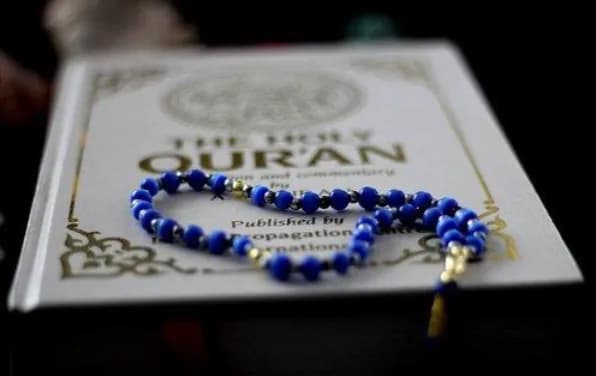
In Islam, paying respects to someone who has passed away must always be done with good manners. Whether the deceased is laid to rest in a village cemetery or a cemetery in Jakarta, there is still proper etiquette for paying respects that you should observe.
But before learning the correct etiquette, we will first discuss the ruling on paying respects according to Islamic law.
The Ruling on Paying Respects to Someone Who Has Passed Away
Paying respects, or ta’ziyah, means visiting family members, friends, and relatives who are experiencing grief.
The Messenger of Allah ﷺ conveyed many hadiths stating that ta’ziyah is a form of worship toward fellow human beings.
For example, in a hadith narrated by Ibn Majah, whoever offers condolences to a person who has been struck by calamity will receive a great reward from Allah.
Besides earning reward from Allah SWT, ta’ziyah also serves as a form of social concern for the people around us. Those who pay their respects when a neighbor or relative passes away can help ease the sorrow being felt.
8 Etiquettes for Paying Respects to Someone Who Has Passed Away
Please keep in mind that paying respects is not a festive occasion, but a time for reflection and remembering the grief of the family.
There are a number of recommendations and prohibitions when you visit the home of a grieving person, as follows:
1. Greet Others When You Arrive at the Place of Ta’ziyah
The first etiquette you should observe when arriving at the place of ta’ziyah is to offer a greeting. The purpose of this greeting is to show good manners toward the person who is experiencing calamity, as well as an expression of care for fellow human beings.
It is best if you let the family know beforehand that you intend to come for ta’ziyah. You may use a written letter, email, or social media. It is advisable to state your intention so that the relatives of the deceased can prepare for the arrival of mourners.
2. Express Condolences to the Grieving Family
Expressing your sorrow and offering condolences directly is far better than simply remaining silent with a gloomy expression.
Condolences must be sincere and heartfelt, because they show humanity toward the surviving family members.
Many people choose to send a flower arrangement together with a written message of condolence. For those who are unable to come in person, this is perfectly acceptable. However, for someone who deliberately refuses to pay respects, it can be seen as a sign of indifference.
3. Recite Istighfar and Short Surahs
The next etiquette is to gather at the relative’s home to recite a number of prayers. The purpose is to ask Allah SWT for forgiveness for the deceased. You may recite istighfar in addition to other prayers to strengthen the inner state of the bereaved family.
There are several verses of the Qur’an you may recite during the period of ta’ziyah, for example Surah Al-Fatihah, Surah Al-Ikhlas, and Surah An-Nas, depending on the guidance of the local religious leaders. Nevertheless, Surah Yasin is the primary chapter recited to pray for the deceased.
4. Perform the Funeral Prayer Promptly if It Has Not Yet Been Done
Next, there is an etiquette worth remembering: washing the body and performing the funeral prayer before burial. This aspect of ta’ziyah can be skipped if the family of the deceased has already buried the body.
For mourners who have washed the body and performed the funeral prayer, the burial may proceed right away. Only after that may the mourners, religious leaders, and family members recite prayers asking Allah SWT for forgiveness.
5. Do Not Cause Disturbances
When a group of people gathers for an event, they often want to chat or gossip. Such behavior is prohibited while paying respects to someone who has passed away. Remember, paying respects is a time for praying for the deceased and reflecting on oneself.
In addition, you must not create a commotion among the mourners. Such a disturbance may take the form of loud crying, fighting over the inheritance, or spreading the faults of the deceased. You should restrain yourself from all of this until the ta’ziyah activities are over.
6. Bury the Body in a Neat and Clean Grave
The next etiquette is burying the body in a burial ground that is tidy and free of rubbish. According to the hadith narrator Muslim, the Messenger of Allah ﷺ once said that mourners are strictly forbidden from walking on or sitting upon a grave.
Islam prohibits its followers from building graves in the form of buildings, so grave markers should preferably be made of wood only.
A mound of earth over the grave is also better bordered with a short wooden frame rather than a headstone, so that the soil does not scatter.
7. Conceal the Faults of the Deceased
Sometimes a person feels or claims that the deceased had a sin or a fault. Know that spreading the errors of the deceased is considered a bad act in Islam, because only Allah knows whether such faults are true or not.
Moreover, exposing the faults of the deceased will only bring slander, both to their relatives and to the one spreading the claims. Therefore, it is better for you to hold back your words and conceal that person’s faults so as not to spread slander.
8. Provide Assistance to the Family Left Behind
After the deceased has been placed in the grave, the final etiquette is to give help, both moral and material, to the family members who remain. The help does not need to be extravagant; what matters is that the family does not feel abandoned.
In some cases, the deceased was the family’s only breadwinner. For this reason, the assistance you give is best in the form of a financial donation, so that the surviving family does not fall into unemployment and poverty.
Now That You Understand the Proper Etiquette for Paying Respects?
That concludes this article on 7 etiquettes for paying respects along with the Islamic ruling on ta’ziyah. Are you living in Jakarta and in need of help arranging a burial for a loved one? Kamboja is ready to handle cemetery arrangements in the Greater Jakarta area for you, and offers funeral protection plans for your loved ones.
- #funeral services
- #bereavement services

dev_kamboja
The Kamboja team writes guides on bereavement, funeral arrangements and funeral planning to help families in Indonesia.