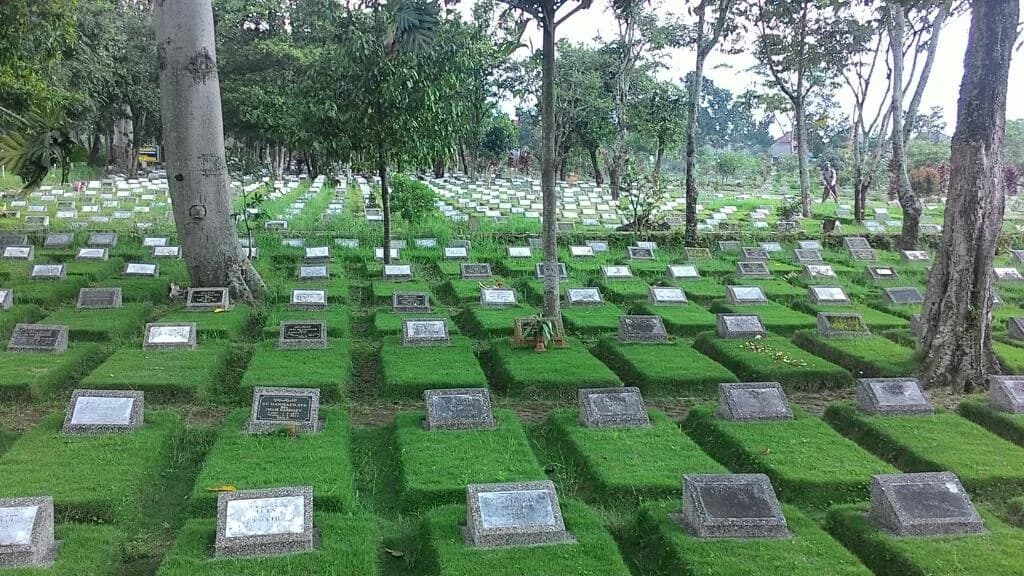
For a Muslim, the procedure for shrouding the deceased is something to understand. It is part of the process of caring for the deceased, which is recommended to be carried out promptly.
The process of caring for the deceased consists of washing the body, shrouding, performing the funeral prayer, and finally burial. The ruling on the process of caring for the deceased is fardhu kifayah (a collective obligation).
The Ruling on Shrouding the Deceased
Before getting into the procedure for shrouding, it is also important to know the ruling on shrouding itself. In Islam, shrouding the deceased is a fardhu kifayah obligation for the Muslims who are still alive.
Because it is fardhu kifayah, this obligation is collective. This means that if some people in an area carry it out, the obligation is considered fulfilled. However, if no one in that area carries it out, they are all considered sinful.
What Is the Procedure for Shrouding the Deceased?
Ideally, shrouding the deceased should be carried out by the heirs of the person who has passed away. However, if the heirs are unable or unavailable, others may do it. This is why the procedure for shrouding the deceased should be known by many people.
The shrouding process for a deceased man and a deceased woman also differs. Below are the process and steps for shrouding, for both men and women:
1. The Procedure for Shrouding a Deceased Man
To shroud a deceased man, three white cloths need to be prepared. Each cloth should be long enough to match the body's length and wide enough to cover the entire body. Below is the procedure for shrouding a deceased man:
- The first step is to spread out a mat, then prepare 5 strands of string: 3 long strings and 2 short strings. The 3 long strings are used for the elbows, waist, and knees. The 2 short strings are for tying the ends at the head and the feet.
- Next, spread the 1st cloth as the wrapping cloth for the whole body over the five strings. Afterward, once the body is placed on top of it, that cloth will be on the right side of the body.
- Spread the 2nd cloth, which is for wrapping the whole body, beside the 1st cloth, the width of the deceased's back, and overlap it over the edge of the first cloth. Afterward, once the body is placed on top, that cloth will be on the left side of the body.
- The next step is to spread the 3rd cloth over the two previous cloths, then place it from the waist down to the feet of the deceased.
- Place cotton, other fragrances, and sandalwood powder on the surface of the arrangement of cloths.
- The next step in shrouding is to lift the body and place it on the shroud you have prepared.
- Cover the forehead, nose, both palms, knees, and toes of the deceased with cotton. Also cover the anus, the nostrils, and both ears.
- Begin wrapping the body, starting with the 3rd cloth, then the 2nd cloth, and the 1st cloth in sequence.
- Next, tie the elbows, waist, knees, feet, and top of the head with the strings you have prepared.
- The string at the top of the head should ideally be tied when the body is about to be taken to the cemetery.
2. The Procedure for Shrouding a Deceased Woman
For a deceased woman, five shroud cloths are needed. Below is the procedure for shrouding if the deceased is a woman:
- The first step is to spread out a mat, then lay out 5 strands of string: 3 long strings and 2 short strings. The long strings are for the elbows, waist, and knees. The 2 short strings are for tying the ends at the head and the feet.
- Next, spread the 1st cloth as the wrapping cloth for the whole body, then spread the 2nd cloth beside the 1st cloth; this 2nd cloth also serves to wrap the whole body.
- The next step is to make a seamless tunic using the 3rd cloth, as follows:
- Measure the length of the body from the back to the feet, then take the shroud cloth doubled.
- Fold the cloth into 2 layers, and make a hole at the center of the fold that fits the width of the head.
- Unfold it and place it on top of the 1st and 2nd cloths.
- Spread the 4th cloth as a sarong, then place it from the waist down to the feet of the deceased.
- Next, make seamless underwear and place it on top of the 4th cloth.
- Place a small piece of cloth on the upper part of the 3rd cloth to make a headscarf.
- Lay cotton, sandalwood powder, and other fragrances on top of the arrangement of cloths.
- Finally, lift the body and place it on the shroud you have prepared.
- Cover the forehead, nose, both palms, knees, and toes of the deceased with cotton. Also cover the anus opening, the nostrils, and both ears.
- Begin wrapping the body by first putting on the underpants, then wrap with the sarong, and then put on the headscarf.
- Next, put on the baju kurung by guiding the head of the deceased through the neck opening, then fasten the front of the baju kurung closed again.
- The next step is to wrap the body with the 2nd cloth, and then with the 1st cloth.
- Then, tie the elbows, waist, knees, feet, and top of the head with the cords you prepared earlier.
Do You Understand the Procedure for Shrouding the Deceased?
So, the ruling on shrouding the deceased is fardhu kifayah, meaning that if one person has carried it out, the obligation is lifted from others in the area where the person passed away. The procedure for shrouding also differs between men and women.
This is because the body of a woman requires shroud cloth for the underpants and headscarf, whereas the body of a man does not.
After the shrouding process, the next steps in caring for the deceased are the funeral prayer, and then burial. For those of you living in Jakarta, there are several options funeral burial in Jakarta that can help you, such as Central Jakarta burial as well as South Jakarta burial that can be arranged by a service provider Kamboja. Kamboja also offers professional burial protection for you and your beloved family when that day comes.
Right now, you can also use the services of an event organizer for funerals, so that every part of arranging the funeral can be handled as well as possible.

dev_kamboja
The Kamboja team writes guides on bereavement, funeral arrangements and funeral planning to help families in Indonesia.