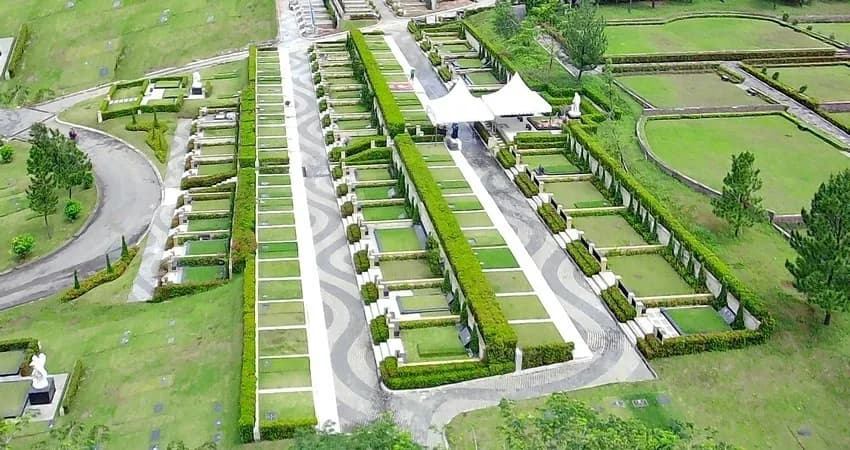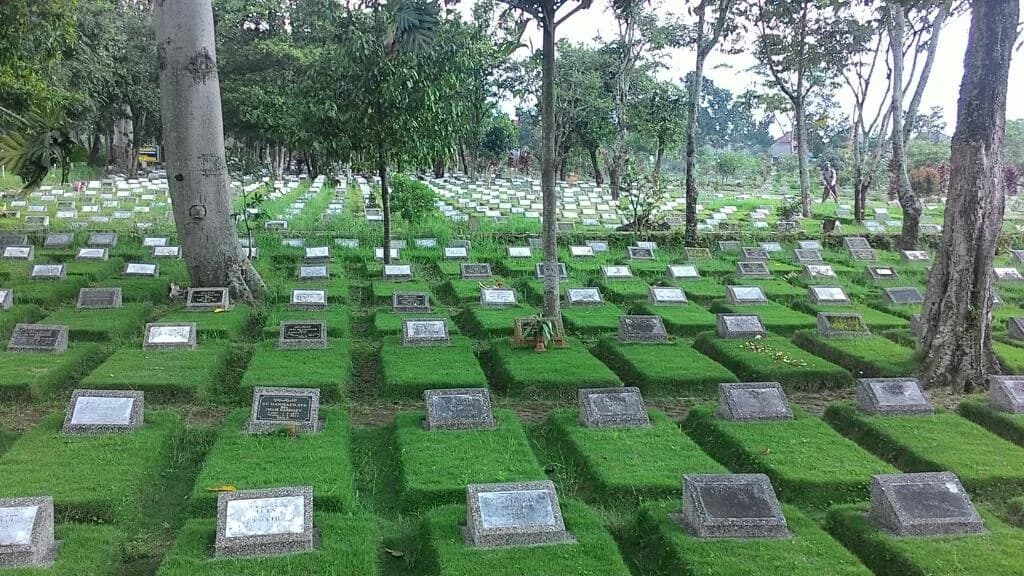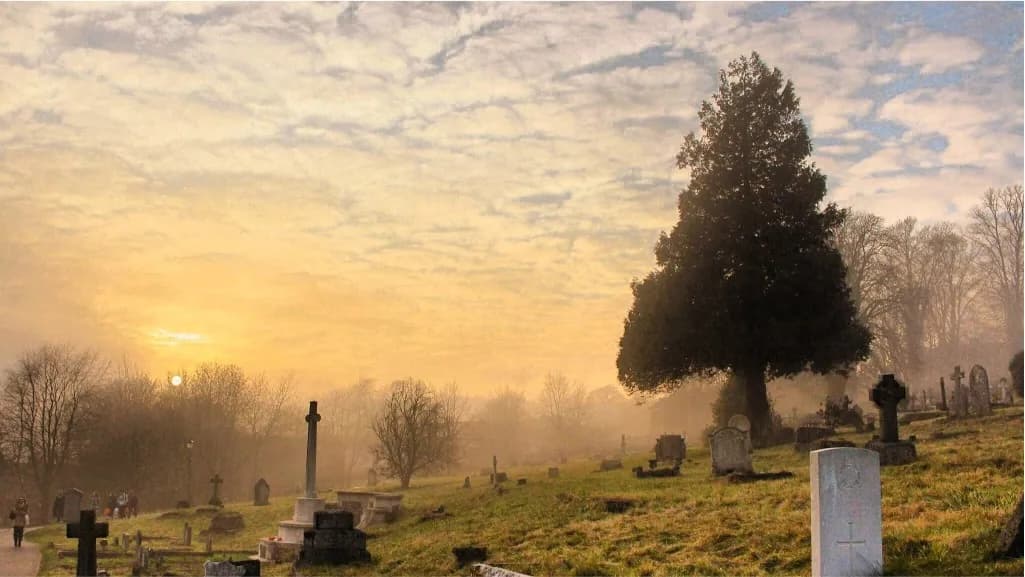
Hearing the word "cemetery" often brings to mind something eerie and mystical. Over time, the locations of these graves have been reorganized and converted into green open spaces (RTH) in urban areas. Today, almost no cemeteries feel frightening anymore. As in several cities, there are historic cemeteries that are also interesting to visit.
These burial grounds are unique and hold a diverse range of historical stories. They contain graves from various nations and faiths, so each tomb differs in its design. In the past, there were no set rules for building graves, which is why each cemetery's architecture has its own distinctive character, such as the Chinese and Dutch styles of tombs.
Interested in visiting? Kamboja has put together a summary of some locations of historic cemeteries you can visit.
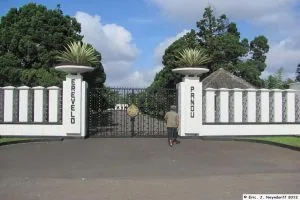
1. Pandu Memorial Public Cemetery
Pandu Memorial Public Cemetery, also known as Ereveld Pandu, is a historic burial ground located on Jl. Pandu, Bandung City. It is one of the oldest cemetery sites in Bandung. The word "Ereveld" means Dutch Honorary Cemetery. The site has two cemetery complexes: the Ereveld Pandu Dutch section and the Pandu Public Cemetery.
Upon entering the public cemetery gate, visitors will see the Ursone family mausoleum, Italian citizens who were the first of their nationality to settle in Bandung. The family were successful dairy farm entrepreneurs based in Lembang. From the front, two marble statues of women can be seen as ornaments on this mausoleum. These ornaments give the grave a European feel. The upper part of the headstone reads "Orate Pro Nobis," meaning "pray for us."
Also read: Read 4 Tips for Choosing a Quality Coffin - Kamboja
Not far from the Ursone Mausoleum, there are drawer-shaped graves. There are roughly 52 drawers in total, but only a few remain intact. The method of interment here is quite unusual. At the base of each drawer there is a rail that makes it easier to place the coffin, which is pushed into the drawer.
Walking around Pandu Public Cemetery, visitors will not only see graves with a distinctly European character. The site also contains many graves of people who died in Japanese concentration camps during the Second World War. In addition, there are graves of several Indonesians who fell in that war. This location also holds the grave of Wolff Schoemaker, a lecturer at the Bandung Institute of Technology who also taught President Soekarno during his time.
Pandu Public Cemetery is open to the public from 07:00 to 17:00, while visiting Ereveld Pandu requires prior permission, as it is a cemetery maintained directly by the Netherlands Embassy through the Oorlogsgravenstichting (OGS).
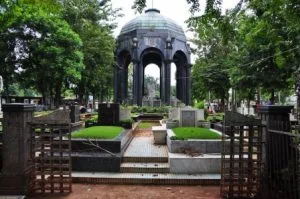
2. Petamburan Public Cemetery
Petamburan Public Cemetery was built during the Dutch colonial period and is located on Jl. KS Tubun, Petamburan, Central Jakarta. It is considered the most magnificent cemetery in Southeast Asia. Originally, the site contained only the OG Khouw Mausoleum, built by his wife, Lim Sha Nio, to express her devotion to her late husband, Oen Giok Khouw, who passed away and was cremated in Switzerland in 1927.
OG Khouw was a philanthropist of Chinese descent from a distinguished family of that era. In the past, his family was given the honorary title of Kapitan by the Dutch colonial authorities, a title later passed on to his younger brother. The mausoleum is also often called the "Chinese cemetery." Its construction reportedly cost around US$250,000, equivalent to IDR 3.5 billion in the 1920s, and it used genuine Italian marble. For this reason, the tomb is known as the most magnificent grave in Southeast Asia.
Also read: Tips for Choosing a Trusted Funeral Service - Kamboja
Built in the Art Deco style, this cemetery location does not feel frightening to visit. The OG Khouw Mausoleum is divided into two parts, an upper and a lower section. In the upper part, visitors can see angel statue ornaments and a headstone inscribed with the names Oen Giok Khouw and his wife Lim Sha Nio. In the lower part, visitors can see portrait reliefs of the couple carved into the mausoleum wall.
Besides the OG Khouw Mausoleum, this cemetery also holds another historical legacy from Japan: the Ash Urn House, which is still frequently visited. It has distinctive Japanese oriental ornaments, and at the front of the building, several natural stones inscribed with Japanese kanji serve as monuments welcoming visitors. An information board for visitors bears an old spelling reading "RUANG TEMPAT MENJIMPAN ABU2 DJENAZAH DJEPANG" (a place for storing the ashes of Japanese deceased). The Ash Urn House holds around 79 urns and is still regularly visited by representatives of the Japanese Embassy. To this day, Petamburan Public Cemetery continues to accept burials. It is open to the public from 07:00 to 18:00.
These are some of the locations of historic cemeteries worth visiting. Far from being frightening, these sites have been maintained by the government to preserve the history they hold.

dev_kamboja
The Kamboja team writes guides on bereavement, funeral arrangements and funeral planning to help families in Indonesia.