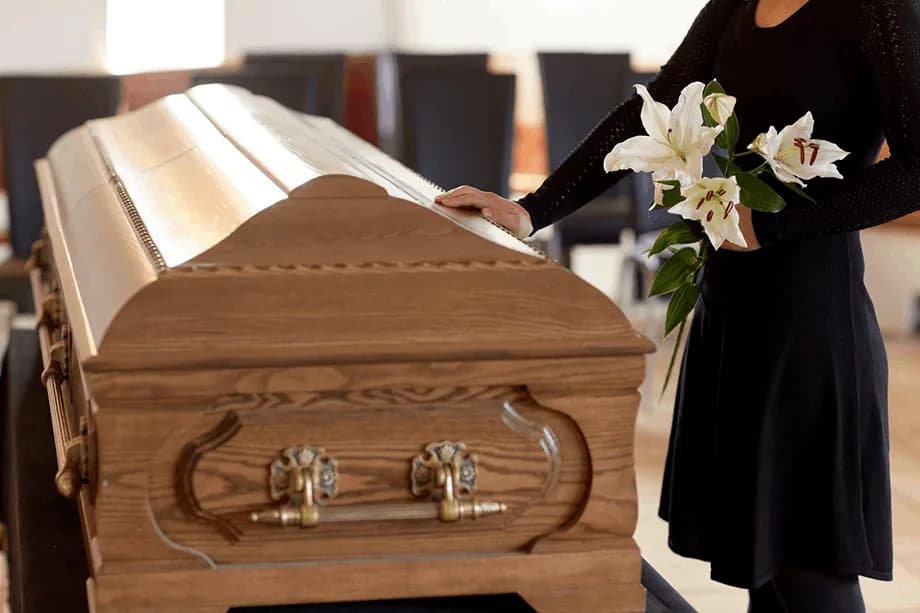
There are basically two alternative ways to honor the deceased that are common in our society. The first is burial, and the second is cremation, which produces cremated ashes. But do you know what the family should do after cremation?
The deceased's relatives will face several choices after the cremation process, such as scattering the ashes or keeping them. The decision depends on particular religious and cultural beliefs. Below is an explanation of each option, which may serve as an alternative for the family.
3 Options After Cremation
There are at least three options for cremated ashes. Each carries its own meaning for different religions or beliefs, and each is basically acceptable as a form of honor. Here is the full explanation:
A. Scattering the Ashes at Sea
The first is scattering the ashes at sea. This can be done immediately after the cremation or some time later, once the family is ready, with special considerations in mind.
Hindus generally do this as a way of honoring the deceased. They believe that life should return to nature, and one way to do so is by scattering the ashes into the sea.
However, it is different for Catholics, because for Catholics scattering ashes is prohibited. After cremation, Catholics usually choose another alternative for the ashes, such as keeping them in a resting place.
B. Keeping the Ashes in a Columbarium
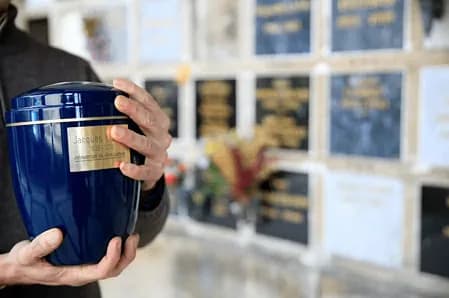
The second option is keeping the ashes in a columbarium. A columbarium is a place that provides storage services using urns.
This option is commonly chosen by Catholics. However, according to the beliefs of people of Chinese descent, this option is only temporary.
For people of Chinese descent, they believe that a person whose ashes are kept in a columbarium will not feel free in spirit. However, this of course depends on each person's own beliefs.
C. Burying the Ashes
The final alternative is burying the cremated ashes. This option is also commonly practiced by Catholics, although it may seem like double work, namely cremating and then burying.
By doing this, the family has a place to visit as a pilgrimage. For that reason, the decision to bury the ashes also has its own advantages.
How to Decide the Best Action for Cremated Ashes
Having understood the options, you may still need some additional information to better understand and make the best decision:
1. Following Beliefs
The first consideration is certainly religion and belief. Every religion has its own guidelines, and within those guidelines are meanings specific to its followers.
Therefore, before deciding, it is worth consulting a religious leader or spiritual teacher, so that you can make the best decision for the deceased and the family.
2. Family Considerations
The second way to decide what to do with cremated ashes is to consider the family. This is important to prevent anything unpleasant from affecting family relationships.
Moreover, every family member is still in a state of grief. For this reason, making decisions together as a family is an important point in this process.
3. Applicable Rules
On the other hand, there are special considerations if rules apply in a particular area. For example, Singapore prohibits burial.
This rule is likely due to the lack of available burial land. For this reason, cremation of the body is mandatory. Any action taken with the cremated ashes must then also follow the applicable regulations.
4. Long-Term Advantages and Disadvantages
The final consideration relates to long-term advantages and disadvantages. To illustrate, here are some points you may want to consider:
- If the family will move house, keeping the ashes in a columbarium may be a better alternative than burial, since the family can move the ashes when they relocate.
- On the other hand, cemeteries and columbariums are usually located on hills with beautiful views. This can be a long-term advantage when visiting, as the family can go on a pilgrimage while also enjoying a day out.
- If the ashes are scattered at sea, the sea will become deeply meaningful to the family and will remain a lasting memory. However, the family will not have a specific place to visit.
Who Handles the Funeral Arrangements
Funeral arrangement services certainly have their own details. Who usually handles them? Here are the two options, along with the advantages and disadvantages of each:
A. The Deceased's Relatives
The first and main party in handling funeral arrangements, including the cremated ashes, is the deceased's relatives. This covers everything from administration of mourning letters to deciding on actions after cremation, and more.
The consideration is that relatives must carry out these tasks while still in a state of grief. This situation may be difficult.
Even so, relatives are the people who know the deceased and the family best. As a result, decisions can be made more quickly whenever they are needed.
B. Funeral Arrangement Services
Besides handling everything themselves, relatives can also make use of a funeral event organizer. This step can lighten the family's burden, since the family can take part in the cremation process and the burial in a more solemn and focused way.
One service that can serve as an alternative is Kamboja. This service is available across Indonesia, but its funeral service operations currently cover only the Jabodetabek area. Outside that area, it is available on a Cash Only basis for members only. It also provides help with arranging death insurance. Using this kind of service for cremation arrangements is increasingly popular because such providers are more experienced and efficient in handling the process.
Now You Know the Options for Cremated Ashes
Grief brings sorrow to families and relatives. A ceremony of honor for the cremated ashes can help ease the burden of grief for the family.
Whether through scattering at sea, keeping, or burial, the family can consider which option is best according to their beliefs and the applicable rules.

dev_kamboja
The Kamboja team writes guides on bereavement, funeral arrangements and funeral planning to help families in Indonesia.