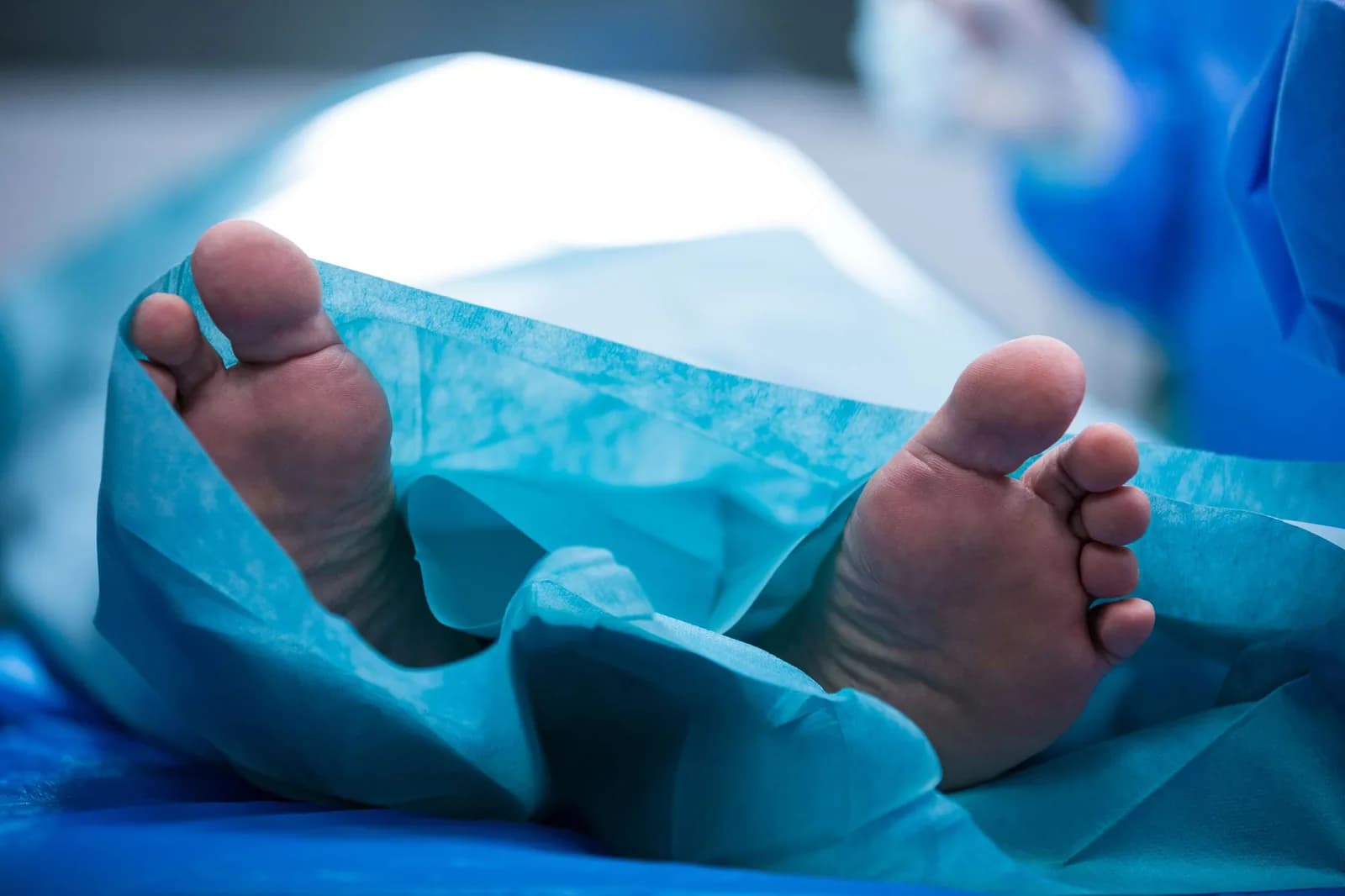
Autopsy is one of the medical terms you have probably heard at least once. The procedure is indirectly important for legal matters, as law enforcement can establish the cause of death more clearly, particularly for a body involved in a criminal act.
So, what exactly is an autopsy, and how is it carried out? Is it really only meant to answer the mysteries of criminal acts? Read the full discussion in this article.
What Is an Autopsy?
The word autopsy comes from "autos", meaning self, and "opsis", meaning eye. An autopsy is the examination of the external and internal parts of a body to find disease or injury, so that the cause, time, and manner of death can be determined with certainty.
In Indonesia, the legal basis for this procedure is set out in the KUHAP (Criminal Procedure Code), specifically Article 120 paragraph 1. This provision states that if an investigator considers an autopsy necessary, they may request an expert to perform it.
Article 133 paragraph 1 of the KUHAP further clarifies the legal basis for autopsy for judicial purposes in cases of deaths caused by injury, poisoning, or deaths suspected to result from a criminal act. Investigators are authorized to request expert testimony from forensic medicine specialists, doctors, and other experts.
Specifically, cases of death that may require an autopsy include:
- Unexpected deaths, such as sudden death in infants or adults.
- Deaths resulting from violence, including domestic violence, bullying, sexual violence, intentional or unintentional homicide, and other criminal acts.
- Victims of traffic accidents and similar accidents.
- Unnatural or suspicious deaths, for example suicide, drug overdose, or poisoning.
- Deaths occurring after a patient has received medical treatment at a hospital, such as after surgery.
- Deaths where the cause is unknown.
Many people assume that the procedure is only for the investigative needs of law enforcement. In fact, it also serves other purposes, such as diagnosing disease and supporting medical research or education.
Types of Autopsy
In theory, there are several types of autopsy that can be performed, depending on the purpose and scope of the investigation. The main types are described below.
A. Anatomical Autopsy
An anatomical autopsy is the dissection of a body carried out for medical education. It is performed by doctors, residents, medical students, pathology assistants, forensic science trainees, and hospital staff.
The aim is to study the structure and organs of the body in a normal state, as well as the various disease processes within the body. To support various research projects, medical practitioners usually use bodies that have been stored for 2x24 hours and that no next of kin has claimed.
B. Clinical Autopsy
A clinical autopsy is an examination of the body aimed at establishing a diagnosis in cases of death caused by disease, so that the doctor can determine the cause of death with certainty.
The forensic doctor or medical practitioner involved needs to examine the body thoroughly, through tests such as bacteriology, toxicology, serology, histology, and others. This procedure must be carried out with written consent from the next of kin, or it may be requested by the next of kin themselves.
Through the dissection of the body, doctors can prevent the spread of disease from the deceased if the result is an infectious disease. Doctors can then work toward treatments to cure others with the same illness.
C. Forensic Autopsy
A forensic autopsy is carried out at the request of the authorities for legal purposes, especially in deaths resulting from criminal acts. Examples include cases of murder, suicide, poisoning, accidents, and sudden deaths whose cause is unknown.
Forensic examination is a medical procedure that is frequently applied in Indonesia. The aim of the autopsy is to determine the cause and manner of a person's death. The procedure can also lead to conclusions about who the perpetrator was and how the killing was carried out, if the victim was in fact murdered.
Autopsy Procedure
The procedure involves a lengthy examination process, and most people are unfamiliar with its steps. The main stages of an autopsy are as follows.
1. Physical Examination
The purpose of the physical examination is to establish the physical identity and find the cause of death. The examination includes height, eye characteristics, hair length, skin, as well as sex and age. In addition, scars and marks on the body are also important to record.
2. Examination of the Internal Organs
The next stage of the autopsy is the examination of the condition of the internal organs, such as the lungs, heart, pancreas, liver, stomach, kidneys, and brain. Doctors rarely examine internal organs in the face, hands, and feet. This process aims to identify any internal organ damage that may have caused death.
3. Dissection of the Internal Organs
Only some cases require this stage, for specific purposes. The most common method is the Rokitansky method, which removes all the internal organs at once, then dissects them on a table. Afterward, the doctor collects small tissue samples from the organs for further examination under a microscope.
4. Removal of the Brain
One of the more important organs in the autopsy process is the brain. In some disease cases, examination of the brain is useful for deeper observation, such as examining tissue and any fluid within it that may identify the cause of death.
5. Return of the Organs
Once all organs have been examined and samples collected, the doctor returns the organs to the body. The body is then sewn up neatly as it was before. If the internal organs are no longer suitable for return, the doctor may store them in a designated place (with the family's approval).
6. Waiting for Laboratory Results
Testing of samples in the laboratory, such as organ tissue and body fluids like urine and blood, usually takes only 1 to 2 hours. However, the longest stage of the autopsy is waiting for laboratory observation results to determine the cause of death, which can take several weeks.
7. Funeral Process
Once all procedures are complete, the family may collect the body to proceed with the funeral. If some organs still require further testing, the funeral may need to be postponed. This applies if the family wishes the body to be intact before burial or cremation.
If the funeral or cremation is delayed, it is best for the funeral service to agree with the hospital on the timing. While waiting, the next of kin can arrange a death certificate, which is required to file a life insurance claim (if applicable).
Now That You Understand Autopsy?
In conclusion, an autopsy is a very important procedure for providing clarity about a person's death. Criminal cases are often hindered by a lack of information or evidence about the cause and manner of death.
Whatever the cause of a person's death, the family will certainly feel the loss. The funeral process can also become a burden that is hard to anticipate. With Kamboja as a professional and trusted body care service, you no longer need to worry about the funeral service or cremation process.
Kamboja is ready to help you plan and manage everything related to bereavement, for your peace of mind and that of your loved ones when "that day" comes. Contact Kamboja now to speak with a member of the Kamboja team and get other important information.

dev_kamboja
The Kamboja team writes guides on bereavement, funeral arrangements and funeral planning to help families in Indonesia.


