Complete Procedure for Repatriating the Body of a Deceased Indonesian Migrant Worker
- Kamboja Blog
- (updated )
- 5 min read
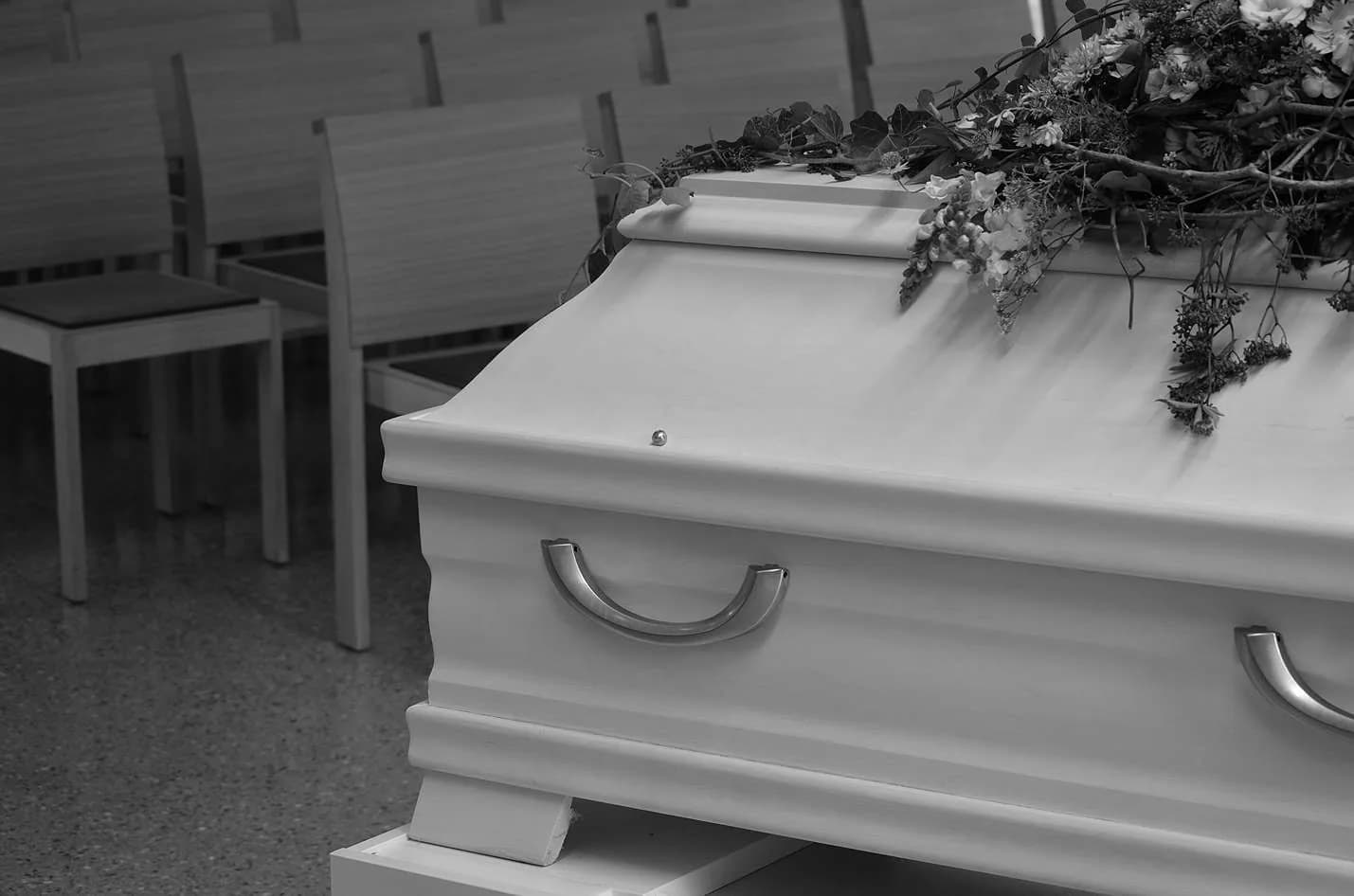
Losing a family member who worked overseas is an incredibly painful blow. Besides facing grief, families are often confronted with complicated administrative processes to bring the body home to Indonesia.
In such a situation, understanding the cargo procedure for a deceased migrant worker can help families know the steps to take so that the repatriation of the body goes smoothly.
In this article, we will discuss what body cargo is, the procedure for repatriating a deceased migrant worker, and the documents usually required during the process. Please read to the end so the procedure runs smoothly.
What Is Body Cargo?
Body cargo is a service for shipping or repatriating a body from one area to another, whether between cities, between islands, or between countries.
In the case of a migrant worker who passes away overseas, body cargo services bring the body from the country of employment to Indonesia so it can be buried in the family's hometown, as the family wishes.
This process is not the same as ordinary goods shipping. Transporting a body must meet health, safety, and administrative standards set by the country of origin, the destination country, and the airline used.
Procedure for Repatriating a Deceased Migrant Worker
When a migrant worker or Indonesian citizen (WNI) passes away overseas, repatriating the body to Indonesia requires several steps that must be carried out in sequence.
Although it may sound complicated, the process can run more smoothly when all documents and requirements are prepared properly. Here is the complete guide.
1. Notification of Death
The first step is to report the incident to the competent authorities.
If a migrant worker dies overseas, the employer, family, coworkers, or other related parties must promptly inform the Indonesian Consulate General (KJRI), the Indonesian Embassy (KBRI), or the local police.
This report is the basis for starting the administrative process and repatriating the body to Indonesia.
2. Examination and Determination of Cause of Death
After the report is received, the authorities will examine the cause of death. If the death occurred in a hospital due to illness or a particular medical condition, the hospital will issue a death certificate.
However, if the death was sudden, caused by an accident, or occurred under unusual circumstances, the police will usually request an autopsy.
The results of this examination are needed to complete official documents and any insurance claim process.
3. Using a Professional Body Cargo Service
Before the administrative process moves further, families should consider using a professional body cargo service.
This step can be very helpful because repatriating a body from overseas involves many documents, coordination with various agencies, and arrangements for international transportation.
Kamboja.co.id is a body cargo service provider ready to help families with the repatriation of migrant workers' bodies from overseas to Indonesia.
The Kamboja.co.id team can help arrange documents, coordinate with hospitals, KBRI/KJRI, airlines, and ensure the body arrives safely at the destination city.
4. Preparing the Required Documents
One of the most important stages in the process of repatriating a deceased migrant worker is completing the required documents.
These documents are the main requirements before the body can be returned to Indonesia. Some documents that are usually needed include:
- A body export application letter from an official agent.
- The deceased's passport.
- A valid passport of the accompanying person (if there is an escort).
- Medical Certificate of Cause of Death (MCCD) or a certificate of the cause of death from the hospital.
- An export permit from the local authorities.
- Certification of Sealing.
- Certification of Embalming.
- The autopsy report if the death occurred under unusual circumstances.
5. Coordination with KBRI or KJRI
Once all documents are complete, the KBRI or KJRI will help coordinate with the relevant agencies in the local country. This process includes document legalization, permits, and arranging the body's departure for Indonesia.
The role of the KBRI and KJRI is very important because they act as the link between the family, the Indonesian government, and the authorities of the country where the migrant worker was employed.
6. Arranging the Costs of Repatriation
In certain conditions, the Indonesian government through the KBRI or KJRI may help with the cost of repatriating the body if the family left behind is unable to afford it.
Families usually need to attach a certificate of financial hardship as a requirement for the assistance application. Meanwhile, if the family has the financial means, the KBRI or KJRI will generally help with administrative matters and document coordination.
7. Preparing a Coffin That Meets Standards
Before shipping, the body must be placed in a coffin that meets international shipping standards. The type of coffin used will be adjusted to the transportation route chosen.
For air shipments, the coffin must meet the health and safety standards set by local health authorities and the airline.
For this reason, this process is usually handled by an agent or an experienced body cargo service provider.
8. Shipping the Body to Indonesia
Once all documents and requirements are met, the body will be flown to Indonesia. During this process, the airline and cargo agent will ensure all shipping procedures follow the applicable rules.
Upon arrival in Indonesia, the body will go through a document check before being handed over to the family or the designated party.
9. Departure and Arrival Schedule Information
Before the body is dispatched, the cargo agent will provide information about the flight schedule, flight number, and estimated arrival time to the family and related parties.
This information is important so the family can better prepare for the pick-up, the funeral home, and the burial procession.
Need Help Repatriating a Deceased Migrant Worker?
The process of repatriating a deceased migrant worker involves various administrative and technical steps that must be carried out precisely.
To help families get through this difficult process, Kamboja.co.id provides professional, fast, and trustworthy body cargo and body repatriation services.
Kamboja.co.id also helps arrange important needs such as the body transport permit, ensuring all documents meet the requirements of both the country of origin and the destination, so the repatriation can proceed more smoothly without obstacles.
In addition, information about body cargo prices is explained transparently from the start, so families can prepare all their needs without confusion during a time of grief.
Kamboja.co.id is here as a solution that truly eases the burden on families in these difficult times. For further information, you can contact us via number 082211111415.
- #funeral services

Kamboja Blog
The Kamboja team writes guides on bereavement, funeral arrangements and funeral planning to help families in Indonesia.


