When a pet passes away, many people immediately think of burial. However, as pet bereavement services have grown, another option has become increasingly known: pet cremation.
Cremation is one option worth considering. Interestingly, the animals that can be cremated are not limited to cats and dogs. Besides being more practical than finding a burial location, this process also allows families to keep the ashes as a keepsake.
But which animals can actually be cremated? Can every type of animal go through the cremation process? Let's discuss!
What Is Pet Cremation?
Pet cremation is the process of handling an animal's body using high temperatures until it undergoes cremation and leaves behind ashes and processed bone fragments.
In general, pet cremation has a purpose similar to human cremation: to provide a final treatment of the remains in a more controlled and dignified way.
After the process is complete, depending on the service chosen, the ashes can be returned to the owner. The ashes can then be kept in a special container or used as a memorial, according to the family's wishes.
However, pet cremation is not simply placing the body into a furnace. Various factors need attention, such as the animal's body size, the condition of the remains, the type of cremation facility, and the handling method used.
For this reason, using pet bereavement services that truly understand remains-handling procedures can help this process go more smoothly.
Which Animals Can Be Cremated?
Basically, quite a wide range of animals can be cremated. Cremation is not limited to popular pets such as cats and dogs.
Here are some types of animals that can generally be handled through cremation services.
1. Cats
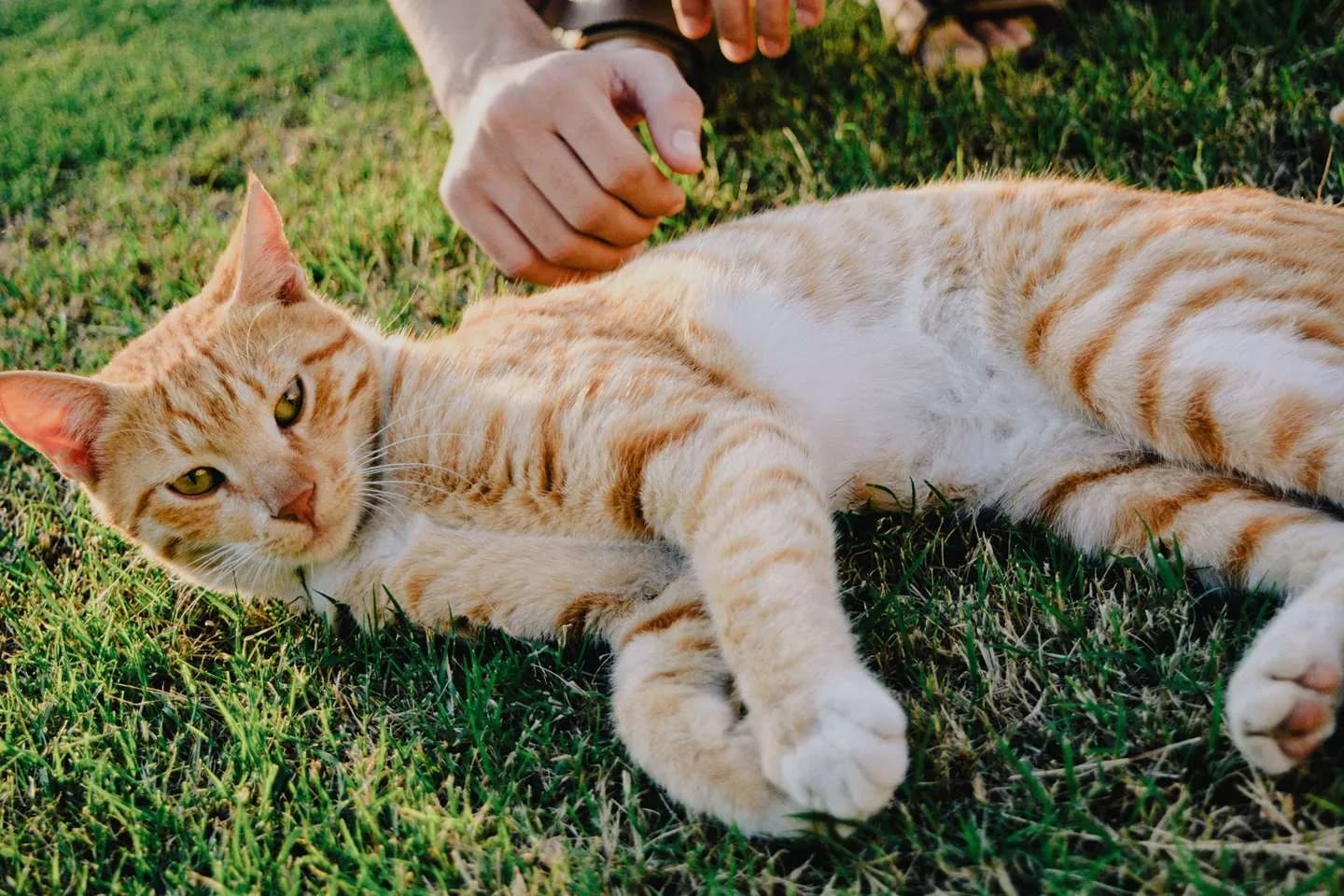
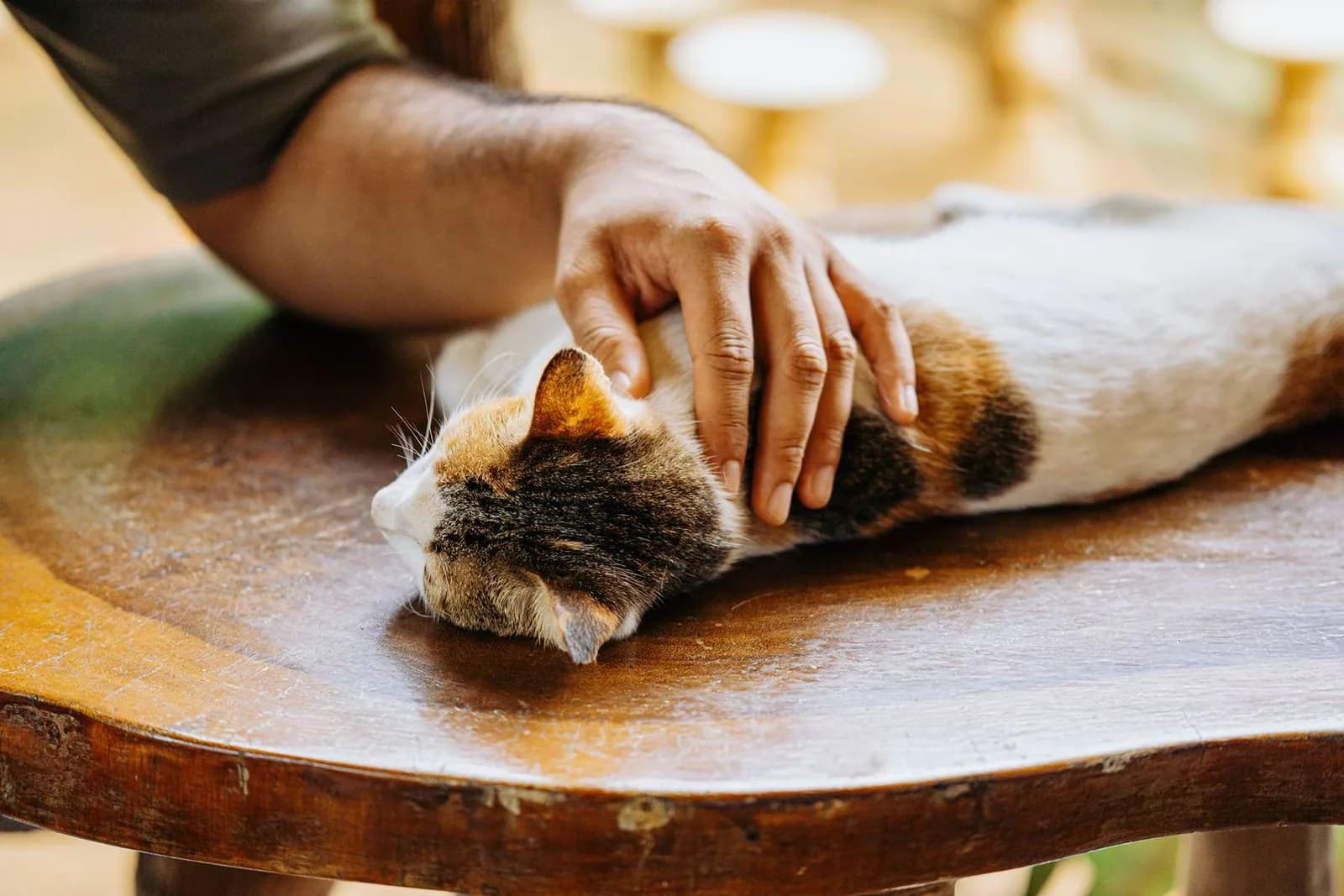
Cats are one of the pets most often cremated. Many owners choose cremation because they want to keep the cat's ashes as a memory.
This option is also often considered when the owner does not have a yard or a location suitable for burial.
Cat cremation can be arranged according to the body size. Kittens and adult cats naturally need handling that differs from larger animals.
2. Dogs
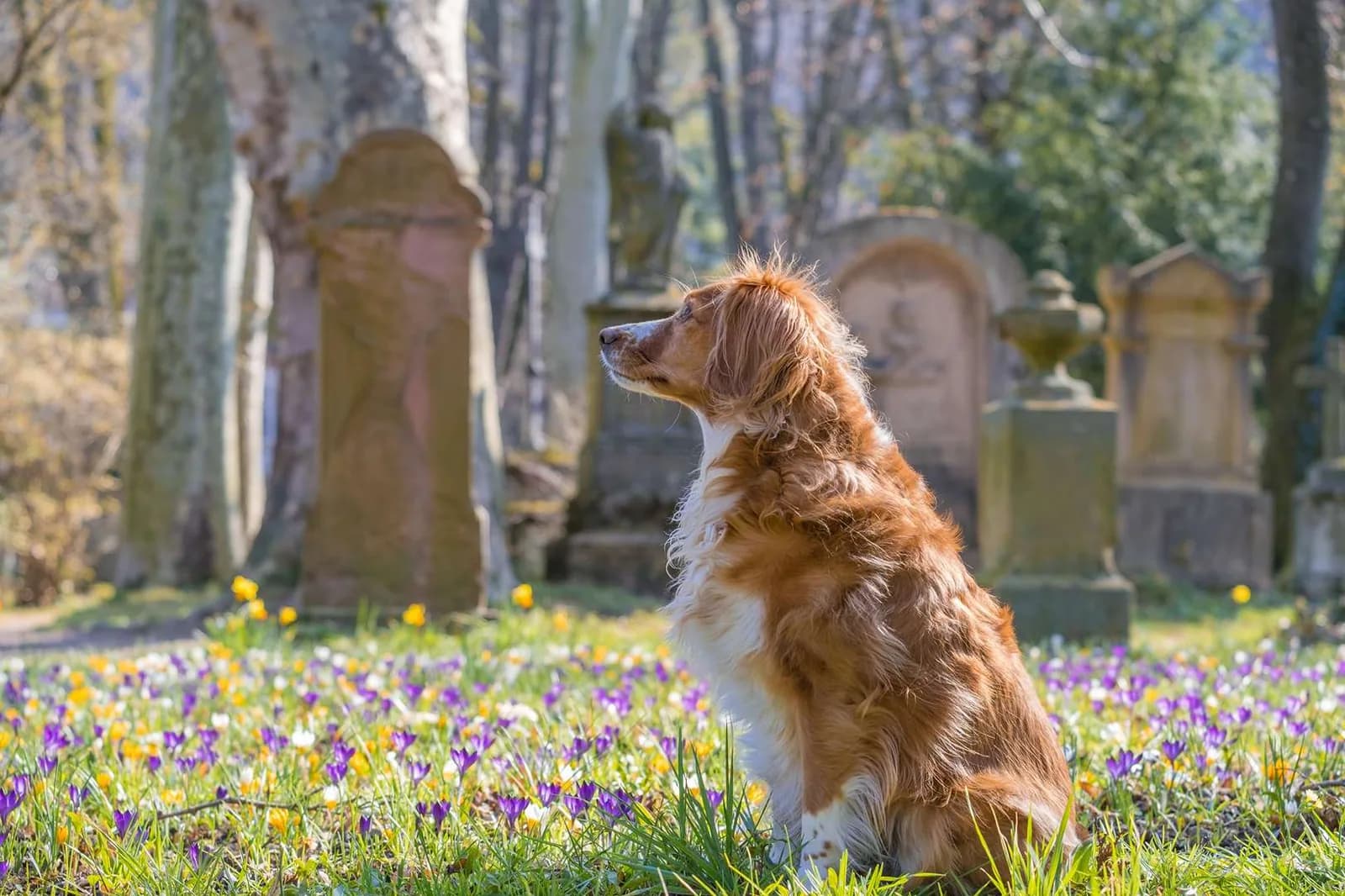
Besides cats, dogs are also among the animals most commonly using cremation services.
Dogs vary greatly in size, so the handling process needs to be adjusted. A small dog is very different from a large breed with a much heavier body weight.
For this reason, before choosing a cremation service, owners usually need to provide information about the animal's approximate size or body weight. This information helps the service provider determine the appropriate process and facilities.
For many owners, cremation is a way to give a final tribute to the dog that accompanied them for many years.
3. Rabbits
Rabbits can also be cremated. Although relatively small, rabbits can still be an important part of a family. This animal is known for its endearing character and often builds close bonds with its owner.
After a rabbit passes away, some owners choose to bury it. Others, however, choose cremation for practical reasons or because they want to keep its ashes as a memory.
4. Hamsters and Other Small Rodents
Hamsters may be small, but that does not mean their passing leaves no sadness behind.
Besides hamsters, small animals such as guinea pigs and several other types of rodents can also be considered for cremation.
Because their bodies are very small, their handling requires special attention. Owners should first consult with the service provider to learn what services are available.
5. Pet Birds
Pet birds are also animals that can be cremated.
Birds such as parakeets, lovebirds, cockatiels, canaries, and other pet bird species often have a close relationship with their owners. Some have been kept for many years, raised since they were young, and made part of daily life.
When a beloved bird passes away, the owner may choose burial or cremation as a final treatment.
Because bird bodies tend to be small and have characteristics different from mammals, the handling process should ideally be carried out by those who truly understand animal remains care.
6. Reptiles
Not only mammals and birds, but some types of reptiles can also be cremated.
Examples include:
- Turtles
- Iguanas
- Geckos
- Bearded dragons
- Pet snakes
- Other reptiles
However, reptiles have different physical characteristics. For example, turtles have hard shells, while snakes have long bodies and anatomy different from mammals.
Details like these need to be communicated to the service provider so the handling process can be adjusted.
So for reptile owners, cremation can still be one option for giving their beloved animal a final treatment.
7. Pet Fish
It may sound unusual, but pet fish can also hold great emotional value for their owners.
Koi, for example, are often kept for many years and have both sentimental and economic value. When a cherished fish dies, some people may want to give it more special treatment than simply discarding the remains.
However, not every facility may offer the same services for every animal size.
8. Exotic Animals
Today, more and more people keep exotic animals. Examples include sugar gliders, mini hedgehogs, ferrets, and other unusual pets.
When these animals pass away, their handling may require special attention, especially if their size or body characteristics differ from common pets.
For this reason, before deciding on a handling method, it is best to provide complete information about the species to the pet bereavement service provider.
That way, the service provider can help determine whether cremation, burial, or another method is the most suitable choice.
What About Large Animals?
So what if the animal that passed away has a large body?
In general, larger animals can also receive cremation, but the facilities used must be suited to the size and body weight of that animal.
Not every place has the same capacity. For this reason, owners should first ask about the maximum size or weight that can be handled.
Besides cremation, other methods such as burial or other handling options may also be possible, depending on the condition and the facilities available.
Most importantly, do not attempt to handle the remains of a large animal yourself without considering hygiene, safety, and the regulations that apply in your surroundings.
Can Every Animal Be Cremated?
In principle, many types of animals can go through the cremation process. In practice, however, available services can vary depending on the provider's facilities.
There are a few considerations that usually come into play, such as:
- Type of animal
- Body size and weight
- Condition of the remains
- Facility capacity
- Service location
- Available cremation methods
Therefore, if your pet has passed away, the best step is to contact a pet bereavement service provider and describe the animal's condition and species in full.
Do not hesitate to ask about the process, whether the ashes can be returned, how long the handling takes, and what other service options are available.
Cremation, Burial, or Aquamation: Which Can You Choose?
Cremation is not the only option when an animal passes away. Owners can also consider other methods according to their needs and preferences.
1. Pet Burial
Burial is the most widely known method. However, pet burial needs to take into account the location, soil conditions, environmental hygiene, and applicable regulations.
For owners who want a special place to remember their beloved animal, pet burial may be one option.
2. Pet Cremation
Cremation suits owners who want a more practical and controlled handling process.
One reason people choose cremation is that the ashes can be kept as a memory. Owners also do not need to find or provide their own burial land.
3. Pet Aquamation
Besides burial and cremation, there is also a method known as aquamation.
Simply put, aquamation is a method of remains handling that uses a water-based process. This method is becoming known as an alternative final treatment option for animals.
Each method has its own characteristics. Owners can therefore choose based on their circumstances, personal values, and the services available.
What Should You Do When a Pet Passes Away?
When a pet passes away, panic or sadness often leaves owners unsure of what to do first.
Here are some simple steps you can take:
- Confirm the animal's condition first. If you are still unsure whether the animal has truly passed away, contact a veterinarian right away.
- Place the body in a safe, cool place. Avoid direct heat or sunlight.
- Keep it away from other animals. This is especially important if the cause of death is unknown.
- Contact a pet bereavement service provider. Describe the animal's species, size, and condition.
- Choose a handling method. You may consider burial, cremation, or aquamation according to your needs.
- Ask about every procedure. Do not hesitate to ask about the pick-up process, how the remains are handled, and memorial options.
Give a Dignified Farewell with Kamboja.co.id
Losing a beloved animal is never easy. For many people, they are not just pets, but companions who fill everyday life, members of the family, and sources of happiness at home.
When the time for farewell comes, you naturally want to give a dignified final treatment. However, handling an animal's remains on your own can feel overwhelming, especially while you are overcome with grief.
To help families through this moment, Kamboja.co.id provides pet bereavement services that can make the handling of an animal's remains more practical. Options are available such as burial, cremation, and aquamation, so owners can choose the method that best fits their needs.
With the help of a pet bereavement service, you do not have to handle the entire process alone. For more information, you can contact Kamboja.co.id on WhatsApp at +62 822-1111-1415.
- #funeral services
- #pet cremation

Kamboja Blog
The Kamboja team writes guides on bereavement, funeral arrangements and funeral planning to help families in Indonesia.