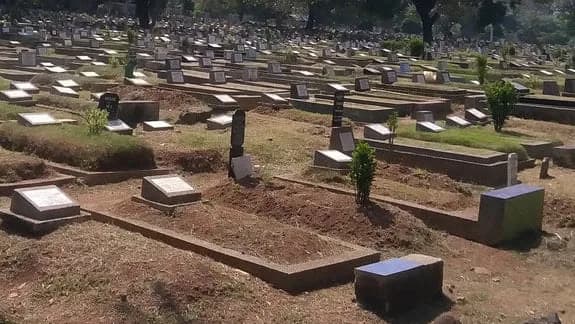
Many things in life require a certain permit. Such permits ensure that people do not act arbitrarily, and obtaining them involves meeting several requirements.
For example, a driver's license requires us to pass several stages that test our driving ability. Burial land is no different, as it also requires a Burial Land Use Permit (IPTM).
To understand this further, this article will discuss the requirements and procedures for obtaining a Burial Land Use Permit (IPTM) in Jakarta.
What Is a Burial Land Use Permit (IPTM)?
A burial land use permit is an official approval granted by a local authority or competent body to an individual or institution to use a plot of land as a burial area. This permit includes certain provisions related to the management, interment, and maintenance of the burial land.
Its purpose is to ensure that the use of land for burial is carried out in compliance with applicable regulations, norms, and rules, and to maintain good governance in the management of burial grounds.
This also often involves considerations related to land capacity, environmental aspects, and compliance with local religious or cultural norms.
Burial Land Use Permit (IPTM) in Jakarta
In Jakarta, a burial land use permit is obtained through an administrative process involving relevant parties, including the local regional government agency.
The application generally includes details about the location of the land to be used for burial, the spatial plan, the maximum capacity of the graves, and the procedures for management and maintenance.
Applicants must comply with the applicable regulations and follow the guidelines set by the regional government to ensure that the use of land for burial is carried out legally and in accordance with the governance standards that apply in Jakarta.
Requirements for a Burial Land Use Permit in Jakarta
As with permits in general, obtaining a burial land permit also requires several documents. The requirements are not overly complicated, similar to those for most other permits. The following are some of the requirements:
1. Identity card of the person in charge. For Indonesian citizens, a scan of the original Resident Identity Card (KTP) and Family Card (KK). For foreign nationals, a scan of the original Limited Stay Permit Card (KITAS) or visa/passport.
2. If authorized to act on someone's behalf, a scan of the original power of attorney, stamped in accordance with applicable regulations, and the KTP of the authorized person.
3. Scan of the original KTP and KK of the deceased.
4. Scan of the original Death Certificate from the hospital.
5. Scan of the original death report letter from the local village or sub-district office (kelurahan).
6. Introduction letter from the public cemetery (TPU).
7. Previous burial land use permit (original if renewing; scan of the original if transferring).
Note: Requirements 4 to 6 are not needed for those seeking to renew.
How to Apply for a Burial Land Use Permit in Jakarta
Before applying, make sure that all the required documents are complete. The process is not difficult; you simply need to follow the correct procedures. Here is how to apply for an IPTM in Jakarta:
1. Contact the Relevant Agency
Contact the counter staff at the Housing, Settlement and Cemetery Office or the local Public Cemetery (TPU) officer responsible for burial land use permits.
You can find their contact information on the official local government website or by visiting the relevant service office in person.
2. Obtain Information and Forms
Gather information about the requirements and procedures for applying for a burial land use permit. Usually, the relevant agency will provide an application form that must be completed in full. Note that IPTM applications are generally submitted in writing.
3. Prepare Supporting Documents
Prepare the necessary supporting documents, such as details of the land location, the spatial plan, the grave capacity, and any other documents requested in the application form.
4. Submit the Application
Submit the application form along with the supporting documents to the relevant agency's office. Make sure all the information you provide is complete and accurate.
5. Evaluation Process
The relevant agency will evaluate your application. This process involves a detailed review of the spatial plan, compliance with regulations, and other requirements.
6. Pay the Fees
Pay the levy fees charged as part of the application process. Fees vary depending on the block and the specified period.
7. Await the Decision
Once the evaluation is complete, you will need to wait for the relevant agency's decision on whether the burial land use permit is granted or rejected. The permit letter will then be initialed by the Head of the Cemetery Section/Head of the Cemetery Division, and the head of the agency will sign the Burial Land Use Permit.
8. Governance Implementation
After obtaining the permit, make sure to comply with all the provisions and governance rules set out in the permit throughout the management of the burial land.
Not Too Difficult, Is It?
By following the procedures and obtaining a burial land use permit in Jakarta, we can manage burial grounds with good governance and provide appropriate services that support the community in arranging burials in a lawful and norm-compliant manner.
If you would rather not take on the hassle, or you need help with other funeral matters, Kamboja offers a range of funeral arrangement services, including death certificate processing services. You only need to prepare the applicable requirements, and the Kamboja team will assist with the processing. Kamboja also provides funeral insurance for you and your loved ones.
Contact Kamboja to speak with one of our team members and get other important information.

dev_kamboja
The Kamboja team writes guides on bereavement, funeral arrangements and funeral planning to help families in Indonesia.


