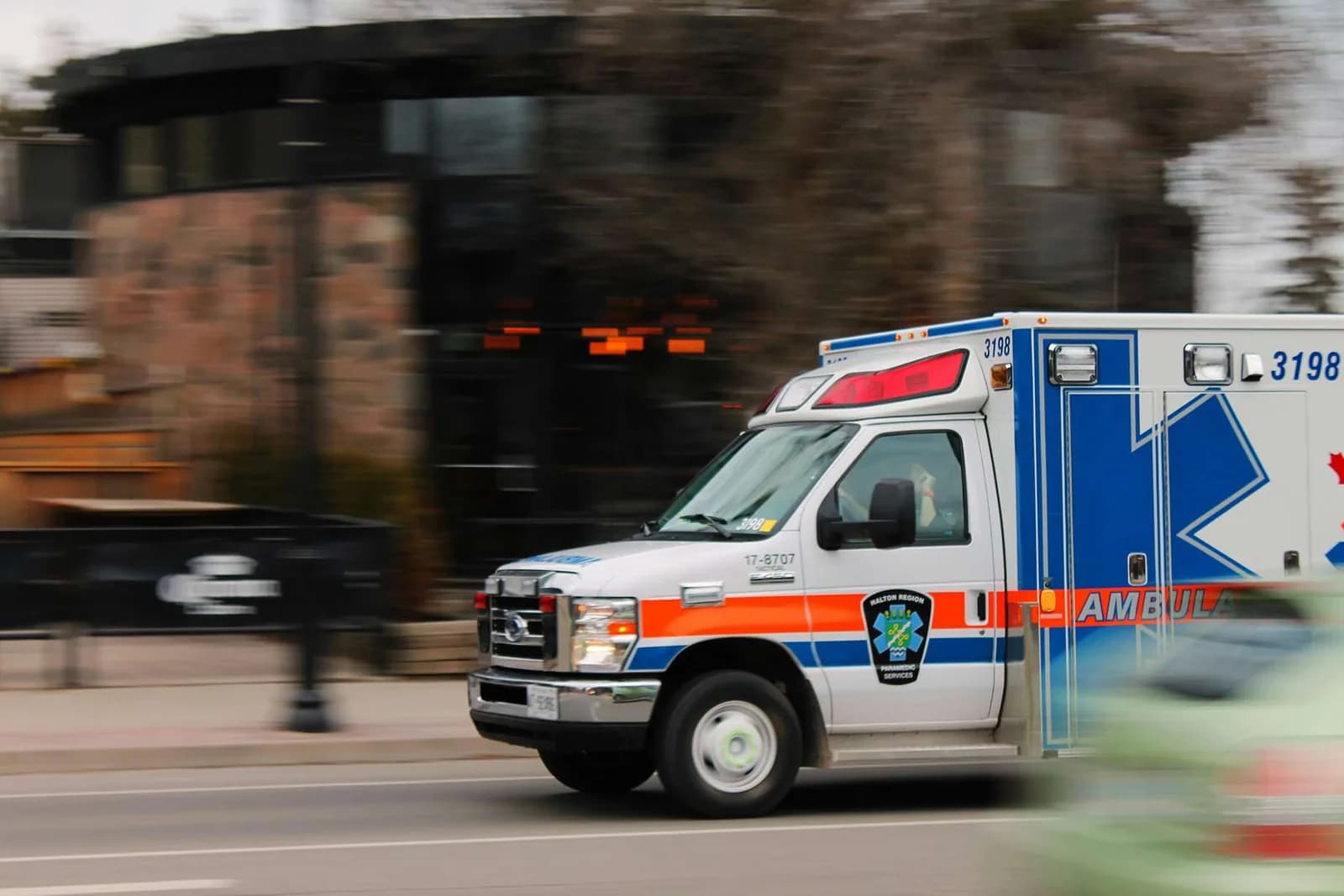
Ambulances are priority vehicles, and every road user should know what their sirens mean. This is because ambulances often operate in emergencies, whether carrying a patient or a deceased person, so you need to give them way. But how do you tell apart the siren of a hearse from that of a patient ambulance?
Types of Ambulance Sirens and Their Differences
Each ambulance siren has a different meaning. Yet many people still don't know the difference. If you are one of them, let's learn the sound types properly so you can act correctly on the road.
1. When Picking Up a Patient
Have you ever heard an ambulance siren that sounds like a railway crossing bell, going "Ninu…Ninuu"? This sound has a more regular tempo and rhythm, alternating between high and low tones. It is called Hi-Lo.
A sound like this means the ambulance is on its way to pick up a patient. Although it is not considered a very critical situation, you as a road user should still give the ambulance priority to pass.
This is because the patient being picked up may need immediate treatment from health workers. Quite often, this kind of sound also means the ambulance is going to collect a crash victim who needs first aid right away.
When you hear this ambulance siren, promptly give way by slowly pulling over to the left. Make sure you leave enough room for the ambulance to pass, stay calm, and obey traffic signs. Do not stop at intersections and block the ambulance's path.
Just as important, do not tail an ambulance from behind. That is very dangerous and breaks traffic rules. If an officer is clearing the way, follow their directions until the ambulance has passed safely.
2. When Carrying a Deceased Person
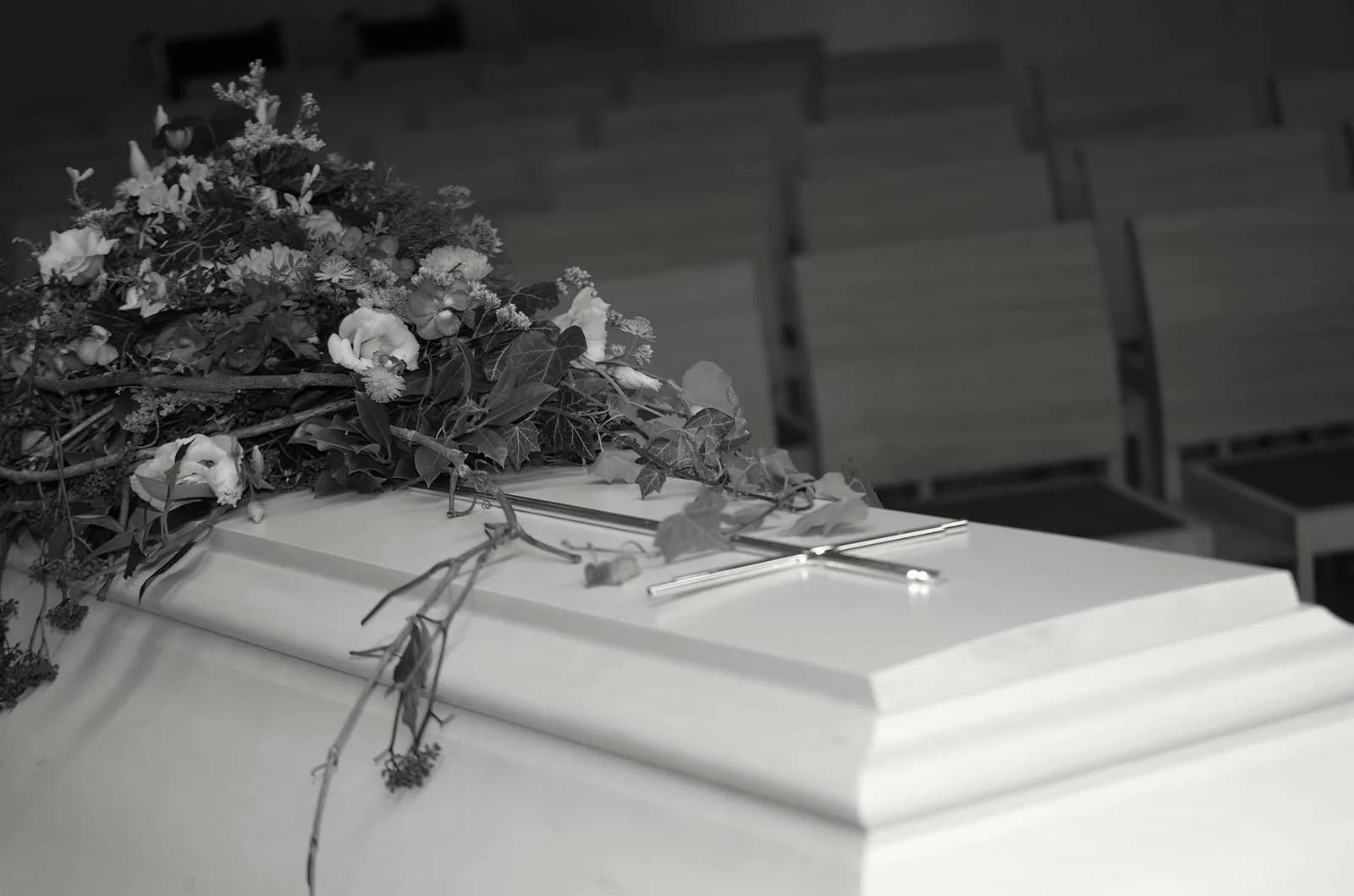
A hearse siren is usually called a wailing siren. This is because it sounds like a lament or a wail, with a slower tempo and a low tone. The volume rises and falls at set intervals, with the sound on and off about every 4 seconds.
More precisely, it sounds like "Wuuu-ooww…wuuu-ooww". From the sound alone, you can tell something sorrowful has happened: the vehicle is taking a deceased person to a hospital or to a funeral home.
Sometimes, before this sound starts, the siren has a very fast tempo. This means the ambulance is carrying a critical patient who needs immediate hospital care.
However, if the sound suddenly changes to a wail midway through the trip, it means the patient died on the way. So what should you do?
The answer is to still give the ambulance priority to pass, even when it is carrying a deceased person, as a final act of respect, especially when a critical patient may need care right away.
For this reason, always pay attention to every hearse or ambulance siren. Many road users are indifferent and fail to give way even when the siren is blaring loudly.
3. When Carrying a Non-Emergency Patient
The Yelp siren, by contrast, has a faster tempo than Hi-Lo. So if you hear a siren like this, the ambulance is carrying a patient who is not in a critical emergency.
Usually, its tone alternates rapidly between high and low. The purpose is to attract attention in crowded traffic or at intersections so the ambulance can get through. Its lights are also different, usually yellow.
Even when carrying a non-emergency patient, or when it is not a hearse siren, you should still give this vehicle priority. A patient who is not in an emergency still needs prompt care from health workers before it becomes too late.
4. When Carrying an Emergency Patient
Finally, there is the Phaser sound, which resembles the Yelp siren but with a higher pitch, a slightly louder tone, and a very rapid frequency. As the sound suggests, a siren like this means the ambulance is carrying a patient in a critical, life-threatening condition.
It is accompanied by red lights, signaling that the vehicle is in an emergency so the patient's life can be saved. If you hear a sound like this, do not panic. Pull over promptly, give way, and try to keep some distance from the ambulance, since it will be moving fast to beat the critical time.
Penalties for Blocking an Ambulance
Under Law Number 22 of 2009 on Road Traffic and Transport, Article 134, the ambulance ranks second among seven types of vehicles that have priority on the road. It is therefore only right that you, as a road user, follow this rule as a sign of sympathy and empathy toward those in need.
Although ambulances and hearses serve different functions, both vehicles are entitled to priority when passing on the road. An ambulance, equipped with various medical tools and medicines, serves as temporary care for emergency patients.
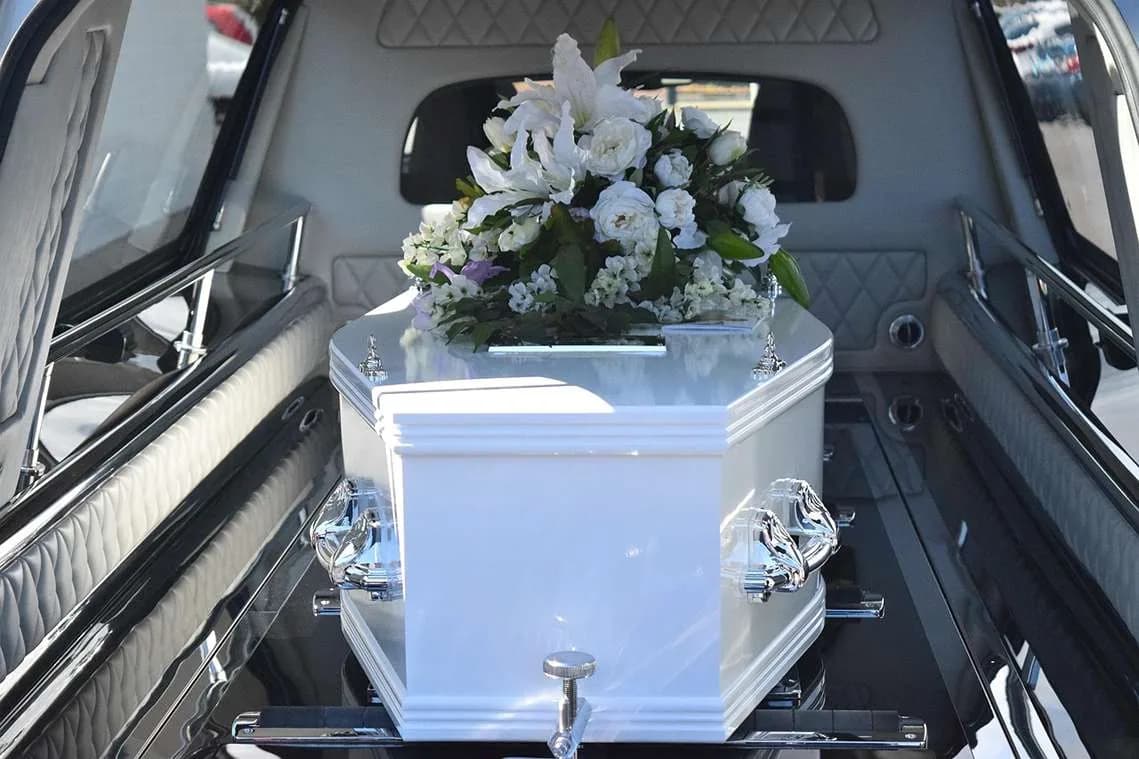
Meanwhile, a hearse, which only has space for the deceased and a companion seat, is tasked with taking the deceased safely and respectfully to the funeral home or final resting place. Both have the same right of priority, even though the hearse ranks below the ambulance.
If you unintentionally break the rules and block either vehicle, you may face a penalty of up to 1 (one) month in prison or a fine of up to IDR 250,000 (two hundred and fifty thousand rupiah).
On the other hand, if you deliberately block an ambulance in a way that endangers lives, the penalty is much heavier: up to one year in prison or a fine of up to IDR 3,000,000 (three million rupiah).
Now You Know the Difference Between Hearse and Ambulance Sirens?
In conclusion, there are Difference between an ambulance and a hearse specifically in the sound of its siren, where everything depends on the pitch and frequency. The faster and louder the sound, the more it signals that the ambulance is carrying an emergency patient, so it must be given top priority.
If you need to rent a hearse to take a patient from the hospital to the family home or to a cemetery anywhere in Indonesia, use the hearse rental service from Kamboja.
In addition to funeral services and the handling of the deceased, Kamboja also offers practical vehicle rental solutions, from standard and premium to VIP, reliable and safe for carrying your loved one to their final resting place.
- #layanan pemakaman
- #cargo jenazah
- #pemindahan jenazah

Kamboja Blog
The Kamboja team writes guides on bereavement, funeral arrangements and funeral planning to help families in Indonesia.