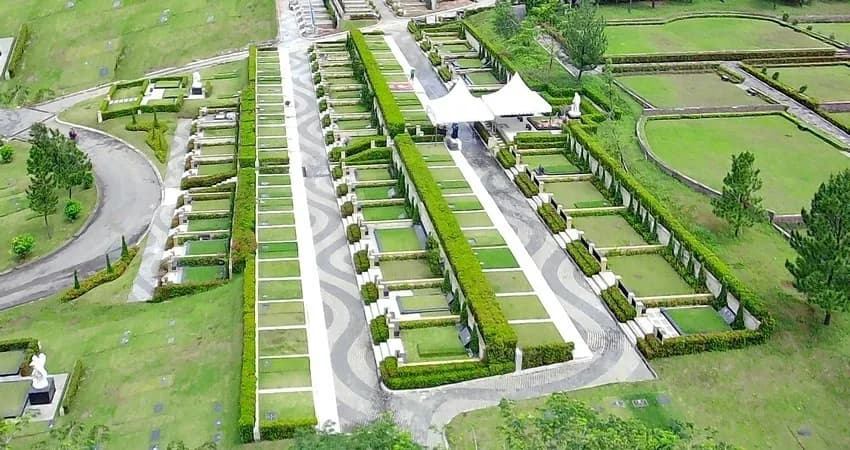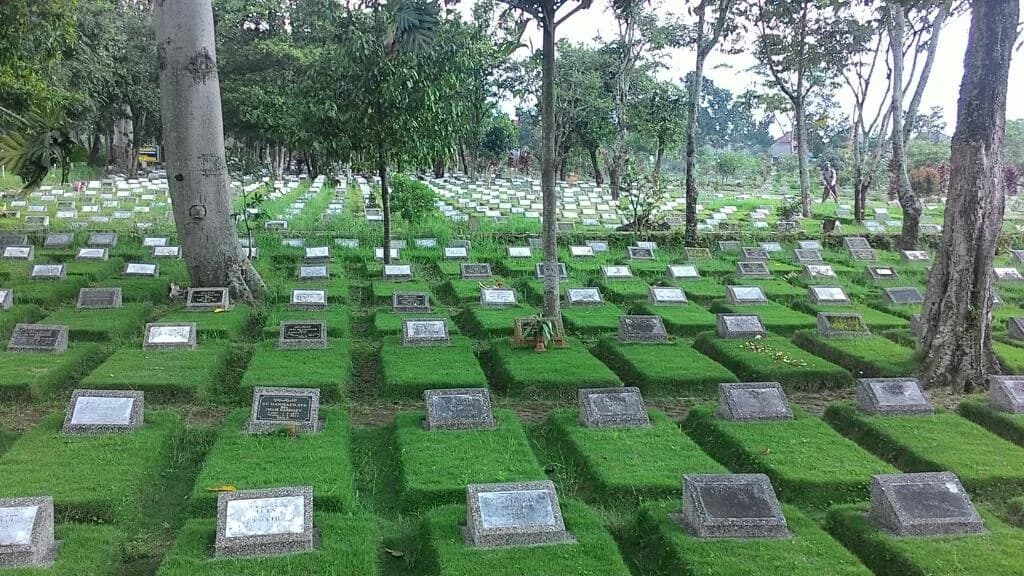
Public cemeteries differ from private (modern) cemeteries in many ways, most notably in who manages them. A Tempat Pemakaman Umum (TPU) is owned by the local government, while a Tempat Pemakaman Swasta or Modern cemetery is privately owned.
The most striking difference between TPU and TPS lies in the cost, or the fees that the heirs or the deceased's family must bear.
Read on for the differences between TPU and TPS below.
Differences Between Public Cemeteries and Modern Private Cemeteries
Burial in Indonesia takes two forms: public cemeteries and private or modern cemeteries. Each has its own rules and regulations. There are several differences between Tempat Pemakaman Umum and Tempat Pemakaman Swasta that you should know about, as follows:
1. Differences in Price and Fees
You should know that private or modern cemeteries require a much larger outlay to purchase a grave plot. This depends on the location, maintenance, and facilities available.
Public cemeteries owned by the government, on the other hand, are much cheaper. However, most TPUs lack adequate maintenance.
For luxury private cemeteries, the price of a single grave plot is usually IDR 25,000,000.00. This price does not include bathing the body, wrapping it in a burial shroud, renting a sound system, tents, and an ustadz, which together can total as much as IDR 8,500,000.00.
Public cemeteries (TPU) run by local governments tend to be relatively cheaper. Heirs only need to pay a fee of IDR 40,000.00 to IDR 100,000.00 every three years.
Other needs, such as chairs, tents, a sound system, and so on, will not reach millions of rupiah. Processing the death certificate also does not cost much.
Given the high costs of burial, having life insurance is a wise choice so as not to burden the family left behind.
2. Size of the Burial Land
Private cemeteries have far more land than public cemeteries, because they are privately managed under very orderly cemetery regulations.
The land of a Tempat Pemakaman Umum, by contrast, is very limited, covering up to 16,000 square meters. This area accommodates only around 50,000 graves.
Although modern cemetery construction is relatively more expensive, such cemeteries are much needed by certain groups. It is therefore not surprising that special requests are made for construction to suit the needs of the heirs or family.
3. Services
Another significant difference between Tempat Pemakaman Umum (TPU) and Tempat Pemakaman Swasta (Modern) is seen in the services offered.
Private or modern cemeteries are equipped with a mosque, gardens, lounges, and other supporting facilities. Public cemeteries (TPU), on the other hand, do not offer these VIP services.
Their mosque is a local or public mosque, so there is nothing special about public cemeteries.
4. Grave Construction
Public cemeteries and modern cemeteries differ significantly in another respect: their construction. Modern cemetery construction is managed privately, while public cemeteries are managed by the local government.
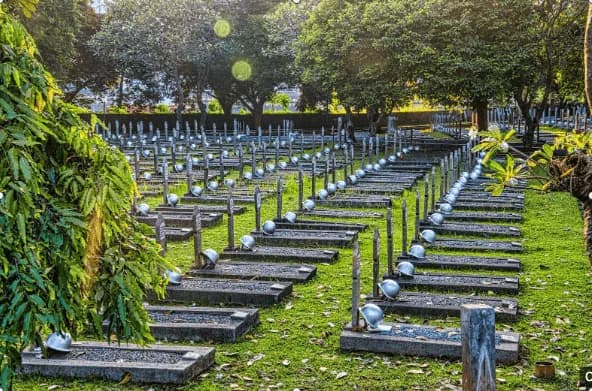
Modern cemeteries have special characteristics, for example, cemeteries based on religion, family, or heroes' memorial gardens. The term "modern cemetery construction" is used by developers of special, non-public burial grounds.
5. Cemetery Management
Modern cemeteries can be managed professionally and have legal ownership. They also have adequate facilities and infrastructure, from building design to neat architecture and 24-hour security.
This type of private or modern cemetery is covered by Government Regulation of the Republic of Indonesia No. 9 of 1987 on the provision of land for burial purposes.
Such cemeteries are considered privately owned and are managed by private parties. Typically, these are private entities engaged in social or religious activities, which still follow certain rules from the local government.
The local government plays a decisive role in licensing the location of a cemetery. You must also align this with regional development planning and the order of the surrounding environment.
Public cemeteries are also governed by Government Regulation (PP) Number 9 of 1987 on Public Cemeteries.
A public cemetery (Tempat Pemakaman Umum, or TPU) is an area of land made available for burying the deceased, for everyone regardless of religion or background.
These public cemeteries are managed by the Regional Government (Pemerintah Daerah Tingkat II) or the village government.
However, not every city or regency government provides public cemeteries, and public cemeteries need to be supported by clear regulations.
This is especially so because, to this day, there is still no Regional Regulation (Perda) on the planning and management of public cemeteries.
Please note that a Regional Regulation on public cemeteries usually does set out clearly the levies, cremation and other related matters.
In fact, some regional governments have even issued cemetery regulations that require the developer to prepare a public cemetery area in every housing estate.
This is because it is closely tied to population growth and the number of deaths.
6. Availability of Land
Please note that land availability is one of the problems in providing public cemeteries. One requirement for public cemetery land is that it must not be fertile or productive agricultural land.
Graves in urban areas are very important, one example being the Jakarta cemetery. This is especially so when most residents are Muslim and Christian, who need land for graves rather than cremation.
Something that sometimes receives too little attention in cemetery area regulations is that these areas fall within the category of Green Open Space (Ruang Terbuka Hijau, RTH) in the city.
How to Arrange a Burial
The Jakarta Provincial Government has introduced an online system for applying for permits to use grave land. This is so that you can understand the procedures and steps for arranging a grave that apply to public cemeteries or modern cemeteries, as follows:
- Prepare the ID cards (KTP) and family cards (KK) of the heirs, the KTP and KK of the deceased, a letter of introduction from the village/sub-district office (kelurahan), a body examination letter from the community health centre (puskesmas) or hospital, and a death certificate from the kelurahan.
- Visit the public cemetery office to find a grave plot. The family or heirs will also receive an introduction letter to the kelurahan one-stop service office (PTSP).
- Go to the kelurahan PTSP office to obtain the SKRD for the grave block being used. The family or heirs can register and verify their data through the online TPU system at that PTSP office.
- Pay the levy through Bank DKI. The family or heirs will receive a validation number, which must be taken back to the PTSP to obtain the IPTM (valid for three years).
- Go to the nearest cemetery. If you choose a public cemetery, you can also use the burial service free of charge.
Now You Understand the Difference Between a TPU and a Modern Cemetery?
Here is an explanation of the differences between a public cemetery and a modern cemetery that you should know. Providing graves is important for meeting the future needs of city communities, and it can also increase the percentage of Green Open Space (RTH) in an area. If you are struggling to find land for a final resting place and are interested in a modern cemetery or a public cemetery, you can contact burial services Kamboja right now.
Kamboja stands by your side in providing professional burial protection for when that day comes for you and your family.

dev_kamboja
The Kamboja team writes guides on bereavement, funeral arrangements and funeral planning to help families in Indonesia.