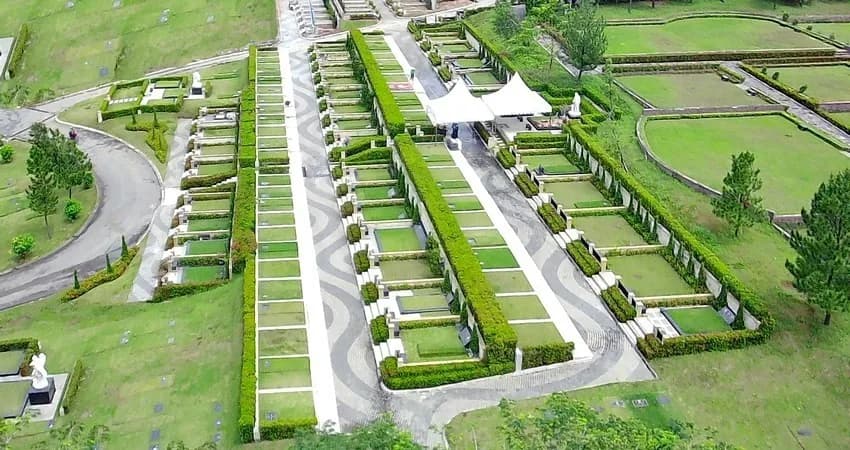
Confucian Funerals: Customs and How They Differ from Buddhist Funerals
- Kamboja Blog
- (updated )
- 8 min read
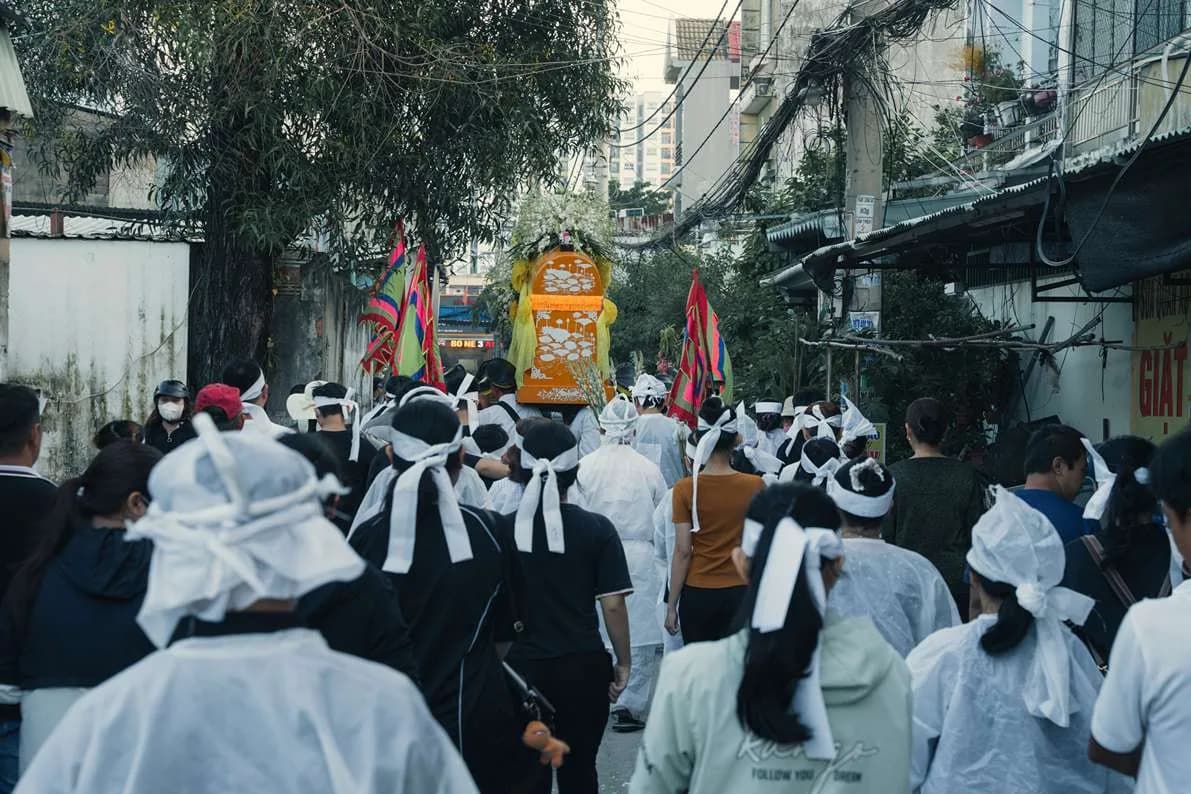
When a family member passes away, in addition to facing the sense of loss, the family also has to prepare for the various funeral processes according to the beliefs and traditions they follow.
In a Chinese funeral that practices Confucian teachings, there are a number of procedures and customs that are usually carried out as a form of final respect for the deceased.
However, many people are still confused about Confucian funerals and how they differ from Buddhist funerals. Are the two the same? Do both use cremation? How is the ceremony conducted?
In this article, we will discuss Confucian funerals in full, from their meaning and the preparations required, to the procedures for carrying them out, and how they differ from Buddhist funerals.
What Is a Confucian Funeral?
A Confucian funeral is a series of rites paying final respect to a person who has passed away, based on the values and teachings of Confucianism. In Confucian teaching, honoring one's parents and ancestors, known as the concept of Xiao (filial piety), is one of the core values.
For this reason, the funeral process is not seen merely as the act of escorting the body to its final resting place, but also as a form of respect and filial devotion from the family to the person who has died.
Confucian funeral traditions are strongly influenced by Chinese culture, which has been passed down from generation to generation for hundreds and even thousands of years.
In general, in Confucian tradition, the body is more often buried. However, in modern practice, some families also choose cremation due to considerations of land, cost, or the wishes of the deceased while they were alive.
In other words, there is no absolute rule forbidding cremation in Confucian families. The choice between burial or cremation is usually adjusted to the decision of the family and the wishes left by the deceased.
The Philosophy Behind Confucian Funerals
In Confucian teaching, death is viewed as a natural part of the human life journey. Therefore, the family left behind is expected to continue giving proper final respect.
Several important values reflected in Confucian funerals include:
1. Filial Devotion to Parents and Ancestors
Carrying out the funeral well is regarded as a final act of devotion to parents and family members who have passed away.
2. Honoring the Life That Was Lived
The funeral procession becomes a moment to remember the contributions, sacrifices, and values passed on by the deceased.
3. Maintaining Connection with Ancestors
In Chinese culture, respect for ancestors continues even after a person has died, for example through ancestral prayers or annual commemorations.
What Needs to Be Prepared for a Confucian Funeral?
When a family decides to hold a Confucian funeral, there are several things that usually need to be prepared.
A. Administrative Documents
Before the funeral procession takes place, the family needs to arrange:
- A certificate of death from the hospital
- A death certificate
- The deceased's ID card (KTP) and family card (KK)
- A burial or cremation permit if required
- Funeral documents from the cemetery manager
These administrative arrangements can often take considerable time, especially while the family is grieving.
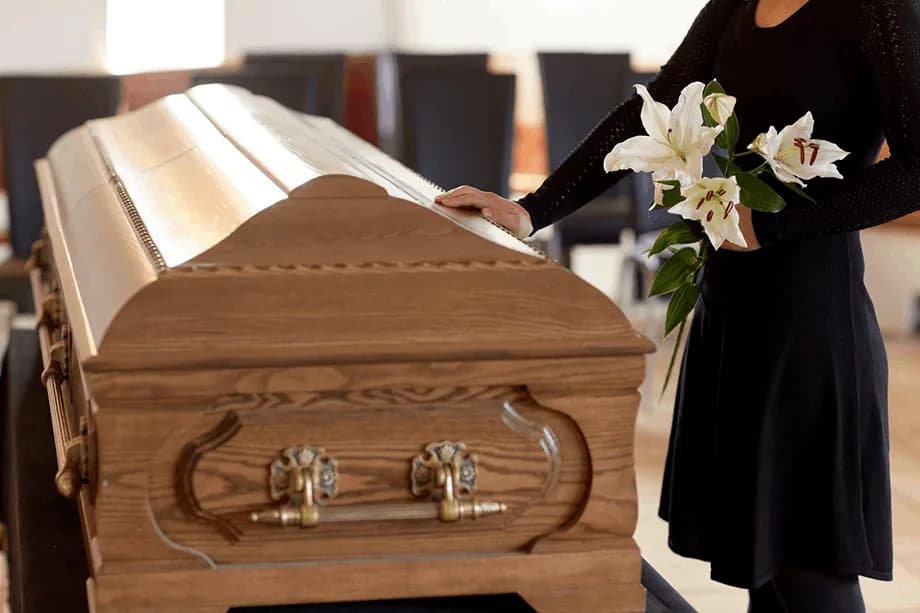
B. Coffin
The coffin is one of the important elements of a Confucian funeral. The choice of coffin usually considers:
- Quality of materials
- Size
- Design
- Family tradition
Some families choose a coffin with distinctive Chinese ornaments as a symbol of respect for the deceased.
C. Mourning Hall
Before burial, the body is usually laid out first at a funeral home or viewing place. At this location, family, relatives, friends, and colleagues can come to pay their final respects.
D. Ritual Equipment
Some of the equipment that is often used includes:
- Candles
- Incense sticks or joss sticks
- A photo of the deceased
- An altar table
- Fruit
- Flowers
- Specific offerings according to family tradition
- Mourning clothing
In Chinese tradition, family members usually wear mourning clothing in certain colors that show their relationship to the deceased.
Commonly used colors are white or black. However, the choice of color can vary depending on family customs and generation.
The Differences Between Confucian and Buddhist Funerals
Many people assume that Confucian and Buddhist funerals are the same because both are often seen within Chinese communities. In fact, there are several fundamental differences that set them apart.
1. Philosophical Basis
Confucian funerals focus on honoring parents and ancestors as a form of family devotion. The funeral procession becomes a way for the family to show respect and gratitude to the deceased.
Buddhist funerals, on the other hand, place greater emphasis on the spiritual aspect, namely prayer, karma, the dedication of merit, and helping the deceased's consciousness on its journey to the next life.
2. Form of the Ceremony
Confucian funeral ceremonies generally contain more elements of Chinese custom and tradition, such as family honor rites, the wearing of mourning clothes, and rituals of respect for ancestors.
Buddhist funeral ceremonies are usually filled with the chanting of sutras, Buddhist prayers, and religious rituals led by a monk (bhikkhu) or priest (pandita).
3. Burial or Cremation
Traditionally, Confucian funerals are more closely associated with burial of the body in a grave as a form of respect for ancestors.
Buddhist funerals more often use cremation because it is considered to be in harmony with the teaching on the impermanence of life.
However, this is not an absolute rule. Today many Confucian families choose cremation, while some Buddhists also choose burial. The decision is usually adjusted to the wishes of the deceased, family tradition, cost, and the availability of burial land.
4. Rituals After Death
After a Confucian funeral, the family usually continues to honor ancestors through family prayers, grave visits, and traditions such as Cheng Beng.
In Buddhist tradition, the family usually performs prayers and dedications of merit on particular days after death, such as the 7th day or the 49th day, to pray for the deceased.
What Is the Procedure for a Confucian Funeral?
Although there are variations between families and regions, in general the procedure for a Confucian funeral includes several stages.
1. Contacting a Funeral Arrangement Service
When a family member passes away, the first step is usually to contact a professional funeral arrangement service so that the entire process can run smoothly and according to the family's needs.
At this stage, the family can contact a funeral service for Confucian ceremonies from Kamboja.co.id, which is ready to help from collecting the body, arranging administration, coordinating the mourning hall, providing the coffin, to preparing the burial or cremation procession.
2. Preparation and Washing of the Body
After the initial administrative process is complete, the body is cleaned and prepared appropriately before being placed in the coffin.
At this stage, the family usually dresses the deceased in their finest clothing as a final act of respect.
If needed, the professional team from Kamboja.co.id can also help with the care and preparation of the body according to applicable procedures, so that the entire process can be carried out with full respect and in good order.
3. Lying in State
The body is laid out for several days so that family and relatives can pay their final respects.
During the viewing period, the following usually take place:
- Prayers
- Family honor rites
- Burning of joss sticks or incense
- Receiving mourners
4. Final Farewell Ceremony
On the day of the funeral, a farewell ceremony is usually held.
This procession may be led by a Confucian clergyman or a community leader who understands the proper ritual procedures. The family offers their final respects before the coffin is taken to the burial site.
5. Transport of the Body
The body is then taken to the burial ground or crematorium using a prepared hearse.
In the more classical Confucian tradition, burial is the preferred choice because it is seen as a complete return to the earth.
6. Burial or Cremation
After arriving at the location, the final procession takes place, consisting of either:
- Burial of the body in a grave; or
- Cremation according to the family's decision.
Today many Confucian families are beginning to choose cremation because of limited burial land in big cities, although burial remains a common choice.
7. Rituals After the Funeral
After the funeral is complete, there are usually several follow-up rituals, such as:
- Family prayers
- The 7th-day commemoration
- The 49th day
- The 100th day
- Cheng Beng or grave visits
These traditions may vary depending on each family's background.
Must a Confucian Funeral Involve Burial?
The answer is not always. Historically and culturally, Confucian funerals are closer to the tradition of burial.
However, in the modern era, many families choose cremation because of:
- Limited burial land
- The cost of grave maintenance
- Practicality
- The wishes of the deceased while they were alive
What matters most is that respect for the deceased is still carried out well, in line with the family's values and beliefs.
Entrust Your Funeral Arrangements to Kamboja.co.id
Arranging a funeral is not only about administration and logistics, but also about ensuring that the final respects paid to a loved one take place with dignity and honor.
Kamboja.co.id is a funeral arrangement service ready to help families with a wide range of needs, from document processing, funeral homes, body transport, cremation, and burial, to support throughout the process.
Whether you need help with a Confucian funeral, private funeral arrangements, or other bereavement services, the Kamboja.co.id team is ready to help with professional, prompt, and compassionate service.
Contact Kamboja.co.id via number 082211111415 for more information about funeral arrangement services and consultation on your family's bereavement needs.
- #funeral services

Kamboja Blog
The Kamboja team writes guides on bereavement, funeral arrangements and funeral planning to help families in Indonesia.