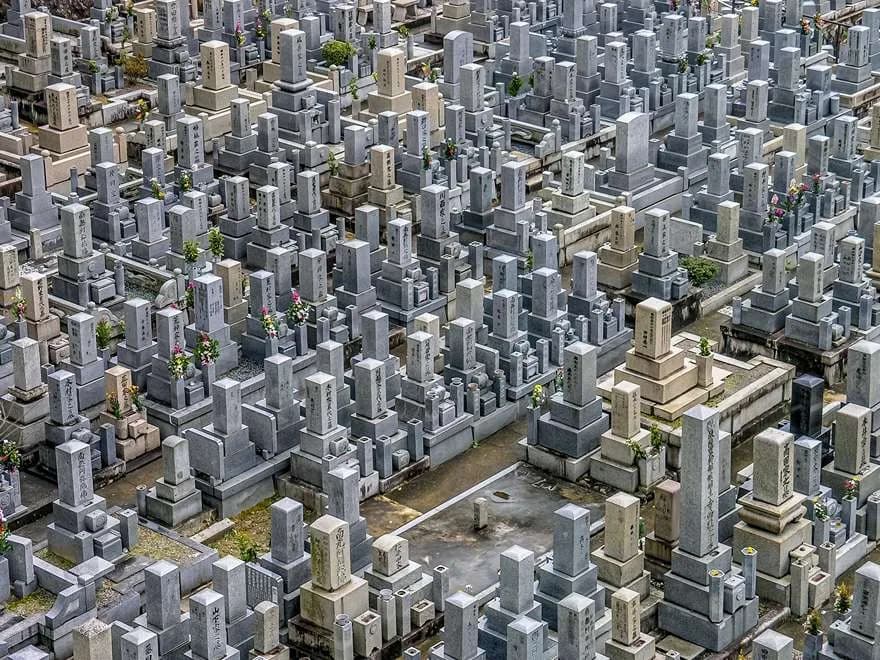
Ceremonies are always shaped by ethnicity, race and religion. As a result, you will find a variety of traditional ceremonies across Indonesia, each with its own themes. For example, you can see how contrasting the funeral customs of the Balinese and Javanese people are. And one of the most distinctive in Indonesia is the Chinese funeral.
Funeral ceremonies of Chinese descent are among the most unique and complex. In Indonesia, you will find many people of Chinese-Indonesian descent, especially in Jakarta. To make funeral preparations easier, many in their community use funeral services in Jakarta.
So, how complicated and unique is the traditional Chinese funeral? Read on to learn what makes these funeral traditions special!
The Procedure of a Chinese Funeral
Traditional Chinese funerals are very intricate, with specific rules on clothing, colours and etiquette during visits. In addition, the Chinese community believes that funeral rites must follow customs and traditions.
Furthermore, you should follow these rules. Otherwise, it may bring bad luck to the family. Basically, this burial ceremony is divided into 9 stages. So let us take a closer look at these stages.
1. The Family Arranges the Funeral
The first step of the funeral is to arrange assistance from an imam, monk or priest, depending on the religion. It is also worth knowing that the mourning period is 1 year. However, this can vary depending on circumstances.
Although the basic period is 1 year, for the eldest son it is 3 years. In addition, some modern Chinese families observe mourning for 49 days. During this time, family members should pray every week for their loved one.
2. Choosing the Day Before the Chinese Funeral Process
The next step is to choose the day and time of the funeral based on feng shui. You may also consult a feng shui expert regarding the choice of property, orientation and location of the grave.
The deceased may wear their best clothes or a traditional white funeral robe. In addition, the deceased may also wear red or other colourful garments. However, this custom only applies to those who lived to 80 years of age or older.
3. Prayers Throughout the Funeral Day
On the day of the funeral, prayers are recited and the coffin is sealed. This symbolises the separation between the deceased and the living. Then, family members must turn their backs on the deceased.
Afterwards, when the coffin is lowered into the grave, family and friends must turn their backs to it. The reason is that if a loved one sees it, their spirit will become trapped inside the coffin.
4. Clothing to Be Worn
As you may know, the deceased will wear white or red. As for family members and guests at a Chinese funeral, they may wear plain white or brown hemp clothing.
Specifically, sons and sons-in-law must wear black armbands. Moreover, if the deceased was over 80 years old, guests may wear red or pink clothing, which signifies celebration of a long life.
5. Using Funeral Flowers
During a traditional Chinese funeral, you will often see many funeral homes decorated with chrysanthemums. White or yellow chrysanthemums are often used for mourning because they symbolise sorrow. However, if the deceased was over 80 years old, red flowers are used.
You may also find large floral arrangements to convey condolences. In addition, women who are related to the family will wear mourning flowers in their hair. For children, wives and daughters-in-law, white is used. Meanwhile, great-grandchildren wear blue, and great-great-grandchildren wear red.
6. Offering Incense and Joss Paper
During a traditional Chinese funeral ceremony, the family may burn incense. You may also burn joss paper, which is widely known as ghost and spirit money. This tradition is meant to provide the deceased with the things they loved, so they can take them to the afterlife.
7. Giving Money Gifts to the Family
Besides offering chrysanthemums, visitors are also expected to give money to the grieving family during the funeral. The money is placed in a white envelope, which is then put into a donation box. You may write your name or leave it unsigned, either is fine.
8. After the Chinese Funeral Process
Once the coffin of the deceased has been lowered into the ground or the crematorium, the service comes to an end. Afterwards, the family gives guests red envelopes containing coins. This custom is believed to ensure that guests return home safely.
In addition, family members may also hand out handkerchiefs and a piece of candy, which you should eat before going home. Remember that envelopes containing coins, sweets and handkerchiefs must not be taken home.
The final item given is a red thread. Guests may take the thread home and hang it on their front door handle. This is meant to ward off evil spirits.
9. The Return of the Spirit Home
Chinese belief holds that the soul of the deceased will return home 7 days after death. Therefore, after the funeral you should place a red plaque with the appropriate inscription outside the house so the soul of the deceased does not get lost.
On that day, the deceased's family members are not permitted to leave their rooms. In addition, you should sprinkle flour or talcum powder on the floor from the front door of the house. Chinese people believe this can detect the visit of the deceased's spirit.
Let Us Carry Out Chinese Funerals Properly!
The funeral process based on Chinese customs is quite complex and unique. However, each step and rule carries considerable meaning. In addition, the funeral process can take quite a long time, and many things must be prepared by the family.
However, if you do not have the time to arrange everything or want to focus on saying farewell to your loved one, you can leave the preparations to experts. Many funeral event organisers in certain regions provide such services, whether for funerals in South Jakarta or nearby areas.
One of them is Kamboja, a provider of funeral management services and funeral protection plans. Kamboja's service will arrange every stage of the funeral so that it runs smoothly and with dignity. Are you interested in using Kamboja's services so that the Chinese funeral of your loved one goes smoothly? Visit their official website now!

dev_kamboja
The Kamboja team writes guides on bereavement, funeral arrangements and funeral planning to help families in Indonesia.


