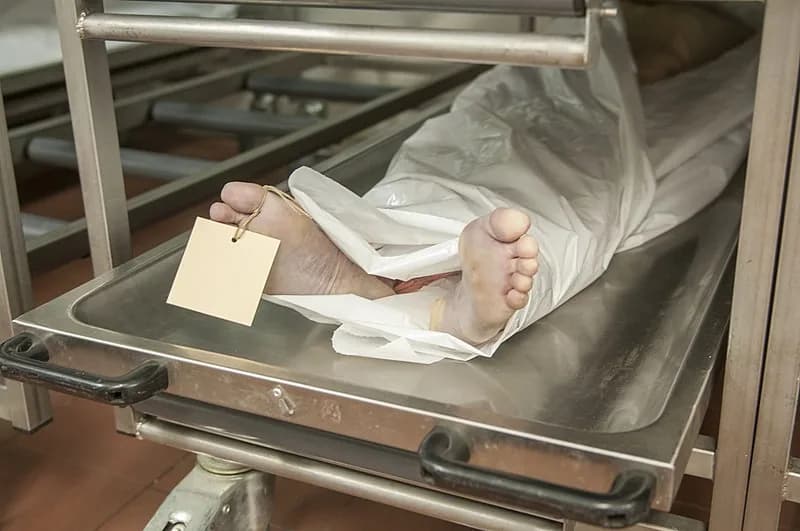
When someone passes away, grieving families generally bury the deceased in the ground or cremate the body at a crematorium. In some cases, however, embalming is carried out to keep the body from decomposing.
This may happen because the family wishes to hold the funeral over several days before the body is laid to rest. For this reason, it is important to understand the history of embalming and how it is carried out.
What Is Embalming?
Embalming is part of the process of preserving the body using chemical substances. It is also part of body care, sanitising or protecting the body so that it does not decompose.
The embalming fluid is made from a formaldehyde solution, which can help prevent bacterial growth and slow decomposition. This fluid is then injected into the arteries, which helps preserve the integrity of the body's tissues.
Embalming is usually carried out at the funeral home after the person has died. Although not many people choose this technique yet, body preparation services can be one consideration if you plan to hold a funeral over several days.
The History of Embalming
Egypt is the country where embalming techniques were practised. You should know that during the period from 6000 BC to 600 AD, around 400 million bodies went through the preservation process and became mummies.
The practice originally aimed to preserve the body because people at that time believed that the soul and body of the deceased could return someday. This is why embalming was so important: to keep the body intact so that it could attract back the soul and other elements.
The most detailed account of various body preservation methods comes from the 5th century BC, from the Greek historian Herodotus. These methods were aimed at people of royal rank and involved surgical procedures.
Other methods were carried out with more affordable procedures, namely injecting cedar oil and leaving the body in natron for 70 days. In addition, other methods included cleaning the intestines and covering the body with nitrate.
Embalming spread to several other countries, with more sophisticated practical techniques. Archaeologists have found evidence of these embalming skills in the burial grounds of the prehistoric Paracas Indians in Peru and the Jivaro people in Ecuador.
Continued
There was also the Guanches, the indigenous people of the Canary Islands, who used methods similar to those of the Egyptians. Meanwhile, embalming in the interior of Tibet used ancient formulas, placing the body in a box and packing it in barley for 3 months.
In the history of embalming in the United States, modern techniques already existed during the Civil War. Dr. Thomas Holmes was then posted to Washington DC and embalmed more than 4,000 soldiers or military officers who had died in battle.
President Lincoln was very interested in this embalming technique and directed the Quartermaster Corps to use this method. The aim was for the bodies of Union soldiers to be returned to their home towns so that they could be given a proper funeral procession.
By the 20th century, embalming had become a service that more and more people wanted. The embalming process in this era used arsenic solutions before switching to formaldehyde.
How Embalming Is Carried Out
Having understood the meaning and development history of embalming, you should also know the steps involved in this body preservation process. What are they? Here are some steps you should be aware of.
1. Prepare the Body
The first step is to prepare the body and place it lying on its back. Next, remove all clothing and record any evidence found on the body, such as belongings, cuts, bruises, and so on.
Do not forget to clean certain parts of the body such as the mouth, eyes, and nose using disinfectant. Then, relax stiff parts of the body by massaging them.
2. Shape the Parts of the Body
This step can be done by closing the eyes if they are open. It is also necessary to close the lips so that the face looks more natural.
At this stage, apply moisturiser to parts of the body such as the eyelids and lips. This keeps the skin from drying out and gives a natural, lifelike appearance.
3. Carry Out Arterial Embalming
This stage involves embalming the body using a mixture of formaldehyde, water, and other chemicals. Choose the incision site and clean the vein point as the entry for the tube towards the heart, then tie thread around the lowest side of the tube.
Next, switch on the embalming machine to start the fluid flow. During the process, wash the body with antibacterial soap and make sure the fluid flows smoothly.
When about 20% of the embalming fluid remains, gradually reduce the pressure by turning the cannula toward the other side of the injected artery. Once the fluid is used up or the machine has stopped, remove the cannula and the vein and artery ties, then sew the incision closed and apply sealing powder to prevent leakage.
4. Carry Out Cavity Embalming
This process can be done using a trocar to aspirate the organs. Aspirate the chest cavity by inserting a 5 cm trocar above the intestines, and downward to clean the organs inside.
Then, inject the cavity fluid into the body with a 30% formaldehyde content. Once finished, remove the trocar and close the opening using a trocar screw.
5. Place the Body in the Coffin
The final step, after the embalming process is complete, is to wash the body thoroughly first. Then apply cosmetics to give the deceased a lifelike appearance.
Dress the body carefully; this clothing is usually chosen by the family concerned. Only after that is the body placed in a coffin for the funeral.
Do You Now Understand More About Embalming?
That is the explanation of embalming, from its meaning and history to the way it can be carried out to preserve the body. This work requires close attention to every detail of the process so that it follows the correct technical methods.
For greater convenience, you can also rely on body care services from Kamboja, a trusted and capable provider of body preservation. Kamboja is here to help families care for their loved ones before the final resting place, smoothly and easily. Kamboja provides trusted funeral protection and professional funeral arrangement services for you and your family when the day comes.
Contact Kamboja to speak with one of our team and get other important information.

dev_kamboja
The Kamboja team writes guides on bereavement, funeral arrangements and funeral planning to help families in Indonesia.


