Losing someone is a difficult and deeply emotional experience. When a person passes away far from home, arranging the repatriation of their body becomes a major concern for grieving families.
In this article, you will learn how to care for the deceased, the body repatriation procedure, and the requirements that must be met before the body can be repatriated.
How to Care for the Deceased in the Christian Faith
Caring for the deceased is an important duty in every religion, including Christianity. For Christians, caring for the body is a final act of honor for the person who has passed away.
The process of caring for the deceased in Christianity follows various traditions and customs rooted in the teachings of the Bible. Here is how the deceased are cared for in the Christian faith.
1. Washing the Body
Washing the body is also part of Christian practice. It is the first step before continuing with the other funeral procedures.
The body is washed by close relatives or the family left behind. However, experienced staff can also help with washing the body.
2. Dressing in a Suit or White Gown
After washing, the body is dressed in a suit for men and a white gown for women. The body is usually also groomed so that it looks dignified and peaceful.
Christians believe that preparing the body is the best way to meet God, so that the deceased appears in good condition and dignified appearance.
3. Placing the Body in the Coffin
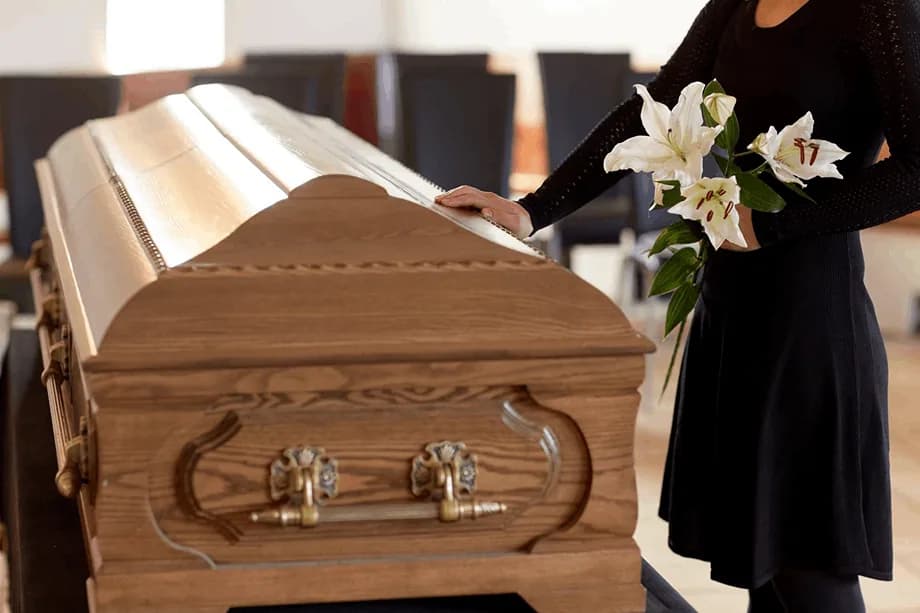
Once the body is in its best condition, it is placed in the coffin. In Christianity, the coffin is not closed immediately; it remains open at first so that mourners can see the face of the deceased for the last time.
4. Comfort Service
In Christianity, there is a comfort service that offers emotional support to grieving families. This service is a very important step and should not be missed.
As this procession continues, mourners listen to sermons from the pastor and offer praise to God. Mourners also comfort the grieving family so that their sorrow does not last too long.
5. Closing the Coffin Service
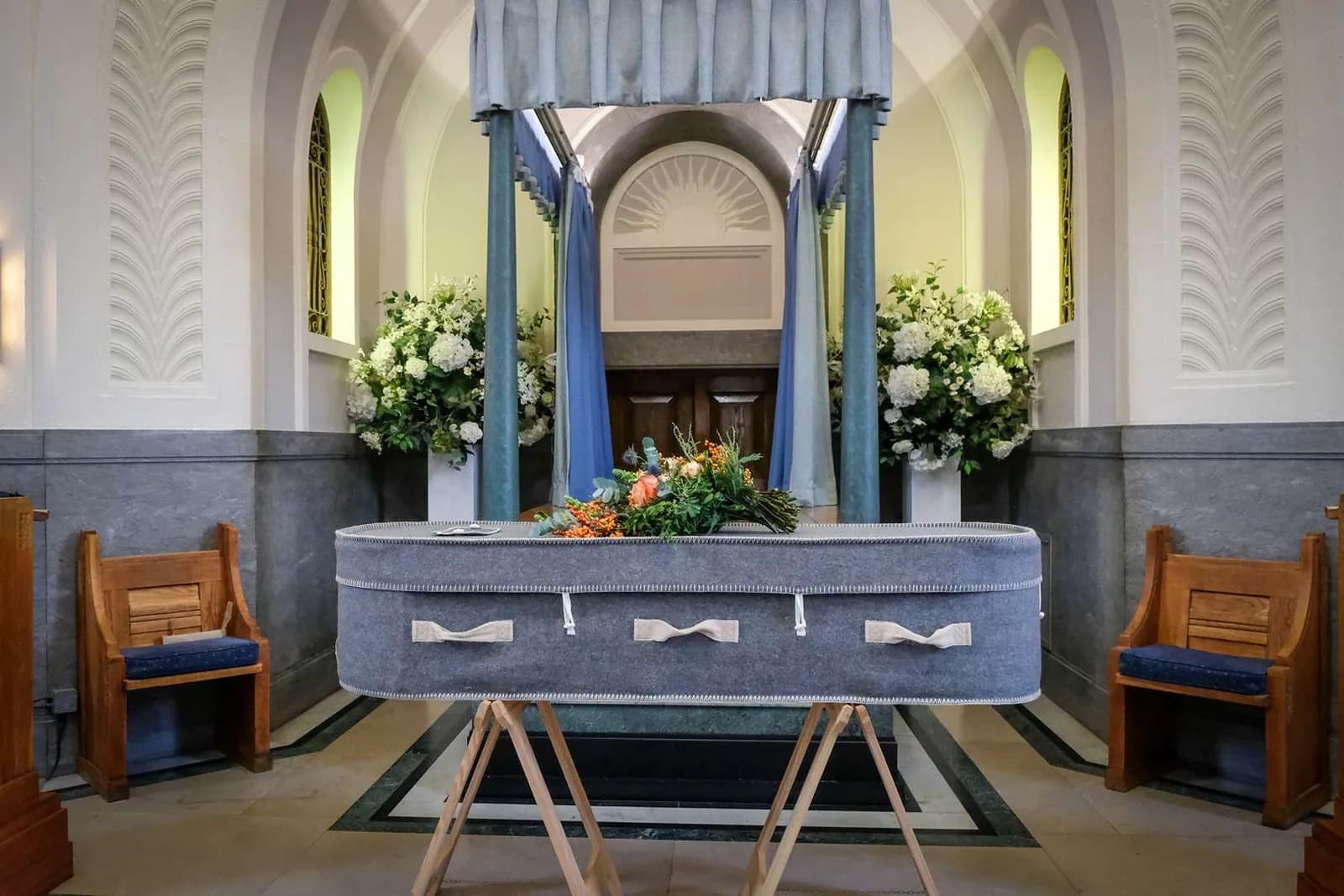
After the comfort service, the next step is closing the coffin. This procession is a farewell before the body is laid to rest. Then, mourners and funeral staff accompany the body to its final resting place.
6. Burial Service
The final procession is the burial. A Christian leader gives a sermon before the coffin is lowered into the grave.
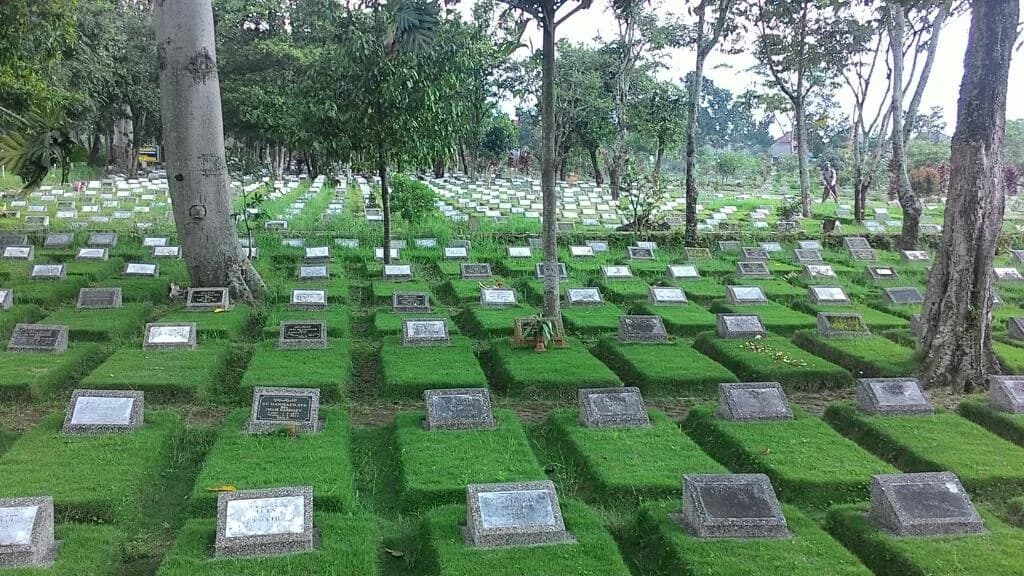
After the coffin is buried, mourners and family scatter flowers over the grave of the deceased. Then, the religious leader gives a sermon and reads a prayer.
Kamboja On Demand Service
When a family member passes away, it leaves behind deep sorrow and emotion. For this reason, it is important for families to prepare the best funeral arrangements so that the burial process can proceed smoothly and safely.
You can use the services on demand service from Kamboja, ready to help you handle the deceased from start to finish. Starting from IDR 15,000,000.00, you can obtain funeral services for the deceased in full.
You can also use Kamboja's body cargo service if you wish to repatriate a body from abroad. However, before you repatriate a body from overseas, there are several requirements you must meet, listed below.
Body Repatriation Requirements
If you intend to carry out body repatriation from overseas to Indonesia, you must know the following mandatory requirements:
- An application letter to export the body from an official agency.
- The passport of the deceased.
- A valid passport of the accompanying person.
- MCCD (Medical Certificate of Cause of Death) from the hospital.
- Export permit from the local authority.
- Certification of Sealing from the authorized hospital.
- Certification of Embalming from the authorized hospital.
Once these requirements have been met, the Indonesian Embassy (KBRI, Kedutaan Besar Republik Indonesia) in that country will coordinate with the competent authorities to handle the body.
If you wish to send a body from abroad to Indonesia, you will need approximately $300, or about IDR 4,500,000, for remains that have already been cremated into ashes.
Meanwhile, the estimated cost of repatriating a body that remains intact ranges from USD 10,000 to 20,000, or IDR 145 to 290 million.
If the bereaved family is financially unable to cover the costs, the Ministry of Foreign Affairs (Kemlu), through the KBRI and the KJRI (Consulate General of the Republic of Indonesia), will help cover the cost of repatriating the body.
Families who are unable to afford the costs must prepare a letter of financial incapacity to submit to Kemlu. If the family is able to pay for the repatriation, the KBRI and KJRI will only assist with the administrative process.
Body Cargo Services
Regarding the repatriation of a body, you also need to consider whether to use air transport or another route. If you choose air transport, the body will be returned via air cargo and you should keep several considerations in mind.
You can use a body cargo service that is ready to help arrange shipping or repatriation requirements, document processing, and insurance for the coffin.
Always remember to use a official, traceable shipping route to return the body home, to avoid criminal activities such as smuggling of drugs and prohibited goods.
Besides drugs and prohibited goods, if you use an unofficial agency, there is a risk of practices that can harm health, especially if the deceased had a contagious disease.
For this reason, the government has made efforts to always use official and trusted agencies
Do You Understand the Repatriation Requirements?
You must meet several mandatory requirements so that the repatriation process can proceed smoothly and safely to Indonesia. Always make sure to check and complete all the applicable documents.

dev_kamboja
The Kamboja team writes guides on bereavement, funeral arrangements and funeral planning to help families in Indonesia.