How to Calculate the Commemoration Days for the Deceased in the Javanese Calendar
- dev_kamboja
- (updated )
- 6 min read
Customs in Indonesia are known to be very deep-rooted and diverse. So it is no surprise that one tradition in Java is still strongly observed: the selamatan for the deceased. These observances are not held just once; there are several, and each has its own way of being counted. Let's find out here!
What Is the Selamatan for the Deceased?
Selamatan for the deceased is a gathering of the family and relatives of someone who has passed away. Despite its name, the selamatan for the departed is not an occasion for offering congratulations to the person who has died.
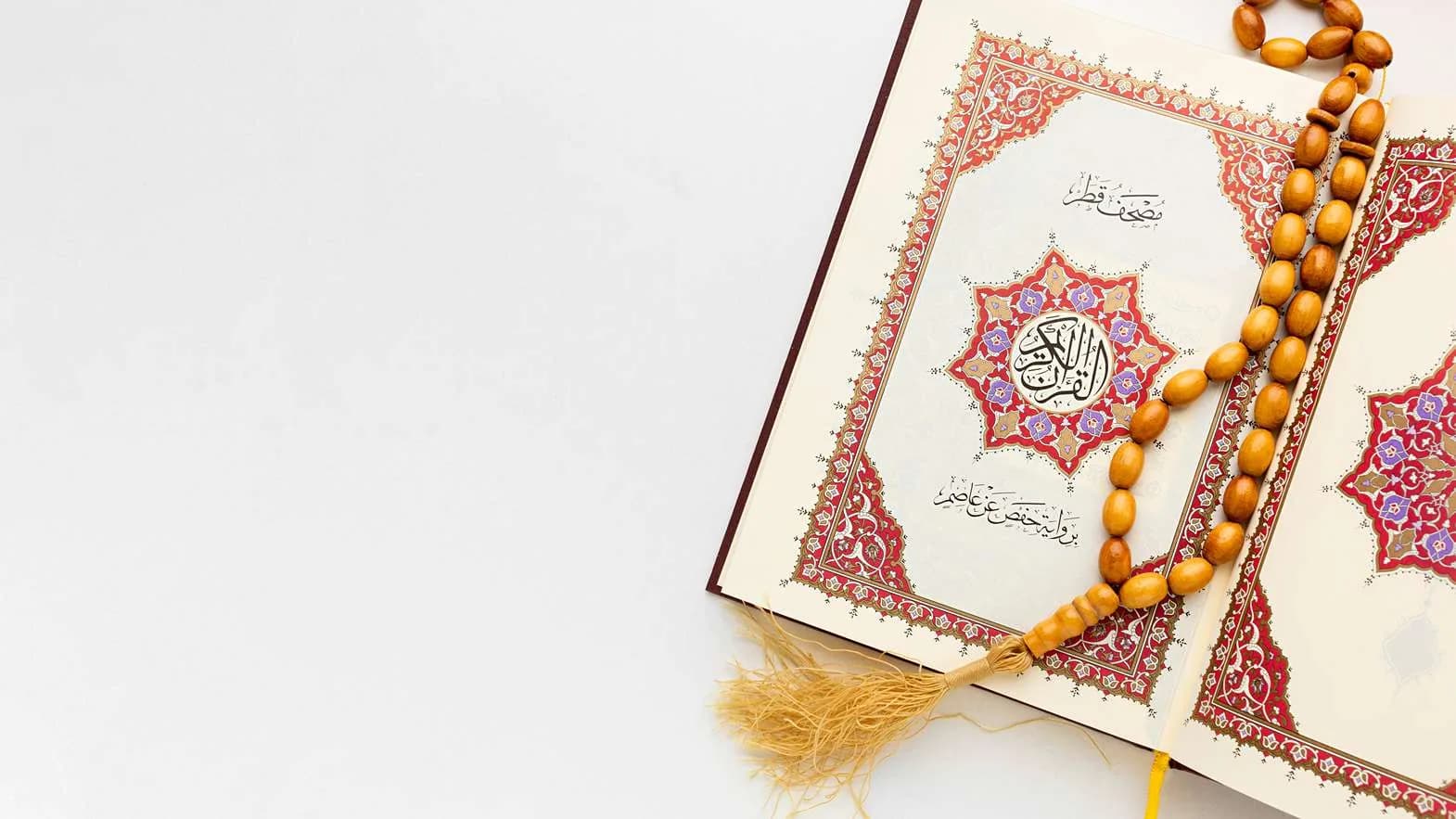
On the contrary, this gathering is held to pray for the one who has passed away. In the Muslim tradition, the event includes tahlilan, a practice that centers on reciting verses of the Qur'an from the yasin book for the deceased and performing dhikr.
The purpose of holding this event is for the reward of the deceased to be accepted by Allah SWT. It also becomes a moment for the relatives and family left behind to strengthen themselves.
Beyond praying together, the selamatan or tahlilan also provides a spread of food and drinks. Afterwards, guests may eat the food on the spot or take it home with them.
8 Traditions of the Selamatan for the Deceased
This deeply sacred tradition is not held just once after someone passes away. It is observed repeatedly, up to eight times. So what are the rituals that must be included in the selamatan for the departed? Here is a description of each of these observances:
1. Geblag
In the Javanese tradition of the selamatan for the deceased, geblag is an observance held after the burial process has been completed.
Geblag itself is an observance that is urgent. For this reason, it is not unusual for many people to give this observance top priority for their loved ones who have passed away.
The way to calculate this selamatan is by using the formula jisarji (first day and first market day) and it must be carried out on that very day.
2. Nelung Dina
If you are of Javanese descent or know a little Javanese, you may be able to guess which day this observance falls on.
As the name suggests, the "nelung" or "telu" means "three" in Indonesian. Nelung dina is the second ritual in the selamatan for the deceased, held 3 days after death.
To calculate the nelung dinaselamatan, you can use the formula lusarlu (third day and third market day).
3. Mitung Dina
“Mitung" or "pitu" meaning seven, marks the third ritual in the Javanese memorial observances for the deceased. The implementation mitung dina usually takes place on the seventh day after the burial.
The number seven also appears in the food offerings, which consist of side dishes such as nasi buceng pungkur or ayam ingkung. To determine the date of the mitung dina, you can use the tusaro formula (seventh day and second market day).
4. Matang Puluh Dina
In this ritual, the deceased is prayed for once again through a ceremony or tradition called matang puluh dina. “Patang puluh" meaning "forty," indicates the day of the ritual, namely 40 days after the person's death.
Even so, the timing of this Javanese memorial calendar does not always correspond exactly to 40 days; it can sometimes be a little more or less. This is because the day for matang puluh dina is calculated using the masarma formula (fifth day and fifth market day).
5. Nyatus Dina
The next memorial observance falls on the one-hundredth day after death, or three months plus a few days. Nyatus dina is intended to complete everything that pertains to the physical body wadhag.
To calculate the nyatus dinaobservance, a funeralevent organizer can use the rosarma formula (second day and fifth market day).
6. Mendhak Sepisan
Mendhak sepisan is the sixth ritual in the memorial observances, held one year after the date of death. In the Javanese year, this day usually falls around 304 days. The formula commonly used as a reference is patsarpat (fourth day and fourth market day).
7. Mendhak Pindho
“Pindho" meaning "twice," refers to twice the duration of the Javanese year, a two-year period of 708 days. The purpose of this observance is to mark that all parts of the body except the bones have been fully completed.
The formula you can use to calculate this memorial observance is jisarlu (first day and third market day). For convenience, family members may set the date of the mendhak pindho based on a count of 2 years after the day of death.
8. Nyewu
The final commemorative feast is calculated to fall on the 1,000th day after a person has passed away. The purpose of the nyewu procession is for the human body to become fully complete, so that it can return and become one with the earth, from which humans originally came.
To calculate the day of nyewu, you can use the formula nemsarma (the sixth day of the week and the fifth market day).
Example of How to Calculate Commemorations for the Deceased
Given how sacred and serious this ceremony is, it is no surprise that the Javanese people make very detailed calculations for this tradition. In this sub-section, you will see several methods for calculating the various tahlilan ceremonies according to the Javanese calendar.
Before determining the eighth day of the commemorative feast for the deceased, you need to know the sequence of the regular days and the market days.
You are probably already familiar with the regular days: Sunday, Monday, Tuesday, Wednesday, Thursday, Friday, Saturday, and Sunday. As for the market days, which are part of the Javanese calendar, there are Legi, Paing, Pon, Wage, and Kliwon.
Understanding this sequence is important because it relates to the formulas for calculating commemorations for the deceased that were covered in the previous sub-section. For example, a Bogor funeral service buries the body on a Monday Legi.
The mitung dina procession, using the formula tusaro (the seventh day and the second market day), means that the calculation is made 7 regular days after the day of death and 2 market days after the day of death. Here, the starting day is counted as the first day.
This means that if someone dies on a Monday Legi, the family will hold the mitung dina on a Sunday Paing, and so on. For this reason, the numbers involved do not always reflect a fixed date, because they must go through this kind of calculation.
Now That You Understand How to Calculate Commemorations for the Deceased?
The above covers how to calculate commemorations for the deceased along with the types of procession involved. If you want to make arranging a funeral tradition easier, then Kamboja is the right choice for protecting your funeral arrangements. In addition to providing funeral insurance, Kamboja is also a trusted funeral service provider.

dev_kamboja
The Kamboja team writes guides on bereavement, funeral arrangements and funeral planning to help families in Indonesia.