A gravestone is one of the items bearing certain writing that people need, especially when someone has passed away. Besides being made of wood, there are several gravestone models made from ceramic, marble, and even granite. But what is the ruling on writing on gravestones?
Before that, know that there is event organizer funeral services in South Jakarta that is trusted, named Kamboja. Kamboja can help you with funeral arrangements, with services that include the handling and transport of the body, gravestones/coffins, processing of the death certificate, and providing flower arrangements.
The Function of Gravestones
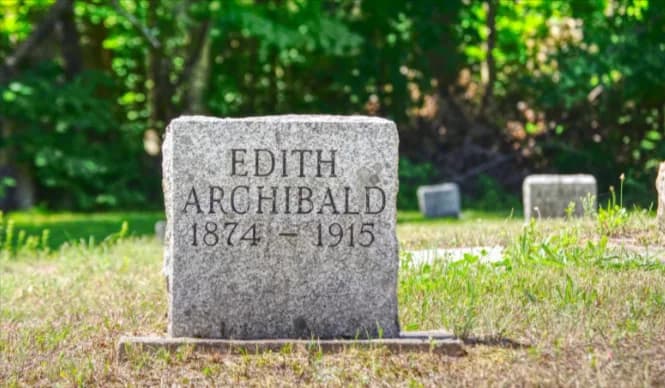
A gravestone is a marker placed on top of the grave of a person who has passed away. Usually, a gravestone bears writing that conveys some information. The information written on the gravestone includes the name, date of birth, and date of death of the deceased. Its functions are as follows:
1. Recognizing the Grave of a Loved One
The first function of a gravestone is to provide details about a grave or tomb, so that it is easy to recognize. Without a gravestone, it becomes difficult to identify the grave of a person who has passed away.
In fact, without writing on a gravestone, you might forget exactly where the grave of your loved one is. Moreover, a marker such as a gravestone helps relatives, friends, and others who come from another city or country to know the person who has passed away.
2. Helping to Identify Graves for Future Generations
When someone has passed away, their children may remember the place and care for the grave without a gravestone. However, for future times and generations, it will be hard for them to identify the grave.
The graves of grandparents and even ancestors need a marker so they can know where their family origins and lineage come from. Therefore, you should use writing on a gravestone and make sure the grave is clean and well kept.
In time, the next generations can easily recognize and connect with their deceased ancestors.
Is It Permissible to Mark a Grave with a Gravestone?
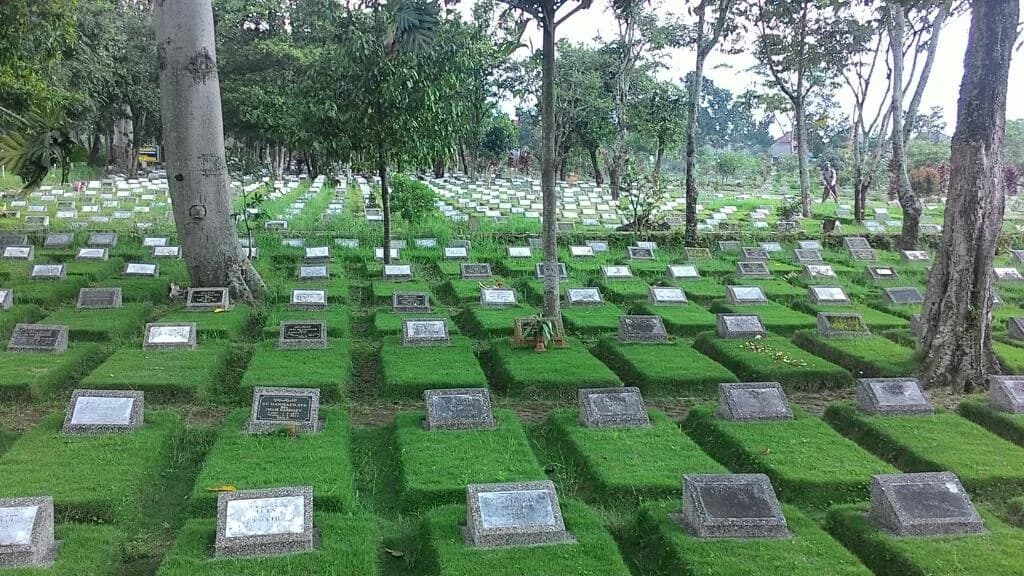
In Indonesia, many graves use stakes or gravestones as markers. Generally, these gravestones or stakes bear writing with information such as the name, complete lineage, place and date of birth, and place and date of death.
In fact, placing a gravestone or marker board is not contrary to Islamic law. Indeed, the Messenger of Allah SAW also marked the grave of his foster brother by placing a large stone on top of it. Thus, it can be concluded that marking a grave with a gravestone or grave stake is permissible.
What Is the Ruling on Adding Writing to a Gravestone?
The ruling on inscribing a gravestone is divided into 4 based on the opinions of the scholars of the Shafi'i, Hanafi, Maliki, and Hanbali schools. Here is an explanation of the ruling on gravestone writing:
1. The Shafi'i School
Scholars of the Shafi'i school hold that writing on a gravestone or on a grave is makruh (disliked), whether it contains verses of the Qur'an or anything else.
However, if the grave belongs to a learned person or a righteous person, then it is sunnah to write on the gravestone, such as the name or something that distinguishes it from other graves.

Meaning: The Shafi'i scholars said, "Writing on a grave is makruh, whether the writing is from the Qur'an or otherwise. Except for the grave of a learned person or a righteous person, for which it is sunnah to write their name and something that distinguishes it so it can be known."
2. The Hanafi School
According to the scholars of the Hanafi school, writing on a person's grave is makruh tahrim. The meaning of makruh tahrim is anything that is absolutely not permitted by the Shari'a.
However, this condition can change if the purpose is fear of losing track of the grave, in which case it is not makruh.
Writing on a gravestone is also permissible if the purpose is to be able to identify it easily.

Meaning: The Hanafi scholars said, "Writing on a grave is absolutely makruh tahrim, except when there is concern that the trace of the grave will be lost, in which case it is not makruh."
3. The Maliki School
Scholars of the Maliki school explain that writing verses of the Qur'an on a gravestone or grave is haram. However, if the inscription on the grave only includes the person's date of birth and date of death, intended to keep the deceased's name in remembrance, then it is makruh.

Meaning: Scholars of the Malikiyah said, "Writing on a grave, if the writing is the Qur'an, is haram. However, if the writing is to state the name and date of death of the deceased, it is disliked (makruh)."
4. The Hanbali School
According to scholars of the Hanbali school, the ruling on writing the name, date of birth, and date of death of the deceased on a gravestone is makruh, whether for a learned person or not.

Meaning: Scholars of the Hanabilah said, "It is makruh to write on a grave, without distinguishing between a learned person and others."
Sheikh Ibn Uthaymeen said that writing on a gravestone is only to establish the name to identify the grave, so this may be done. However, inscriptions made in a way that resembles the practices of the Jahiliyyah (pre-Islamic ignorance) era are not permitted, or are haram.
Such practices include writing a person's name and praises for the deceased, as in listing what they did and what they accomplished. Another practice resembling that of the Jahiliyyah people is writing poetry on a gravestone.
So, if you see such things at a grave, whether in Jakarta or anywhere else, you should promptly remove the writing from the gravestone, provided the gravestone belongs to the grave of a relative or family member of yours. funeral services in Jakarta or anywhere else
Now You Know the Ruling?
That is the explanation of the function and ruling of the writing found on gravestones. If you need funeral arrangements in the Greater Jakarta area during a time of grief, Kamboja is here with complete and trusted services.
For more information, you can contact us via WhatsApp or visit our website at Kamboja.co.id which also offers funeral insurance for you.

dev_kamboja
The Kamboja team writes guides on bereavement, funeral arrangements and funeral planning to help families in Indonesia.