Bapatak Dalam Banyu: Underwater Burial Tradition in Kalimantan
- Kamboja Blog
- (updated )
- 6 min read
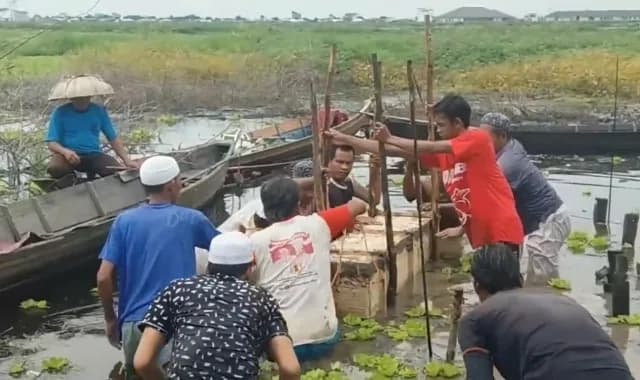
Underwater burial in Kalimantan may sound unusual to some people. However, for several indigenous communities in Kalimantan, this tradition is part of local wisdom rich in spiritual, cultural, and human relationships with nature.
One practice that is well known is Bapatak Dalam Banyu, a unique funeral procession that involves water as an essential part of the ritual.
In this article, we will discuss in full what underwater burial in Kalimantan is, where it takes place, how it is carried out, and the philosophical meaning behind this tradition. Let's explore it together!
What Is Underwater Burial in Kalimantan?
Underwater burial in Kalimantan does not mean that the body is literally buried at the bottom of the sea as we might imagine. This tradition refers more to funeral processions held in water areas such as rivers, swamps, or lakes, which are an important part of the local community's life.
The term Bapatak Dalam Banyu itself comes from regional languages:
- Bapatak: a specific process or action within the ritual
- Banyu: water
So, this tradition means a funeral ritual carried out with water as its main medium.
Why Water?
For indigenous communities in Kalimantan, water is not only a source of life but also holds spiritual value. Water is believed to be a link between the human world and the spirit world. Therefore, burial in water is considered a way to guide the spirit back to its original home.
Locations of Underwater Burial in Kalimantan
This underwater burial tradition is generally found in several regions of Kalimantan, especially in areas where indigenous culture remains strong.
1. Central Kalimantan
In the inland areas of Central Kalimantan, particularly around large river systems, some indigenous communities still practice this tradition. The river is the center of life, so it is not surprising that it also becomes a final resting place.
2. South Kalimantan
In areas with many swamps and rivers, such as the Banjar region, there are variations of funeral traditions involving water, although they are not always exactly the same as Bapatak Dalam Banyu.
3. East Kalimantan
Some indigenous communities in East Kalimantan also have similar practices, especially those living around lakes or large rivers.
The Philosophical Meaning Behind This Tradition
The underwater burial tradition in Kalimantan is not merely an ordinary customary ritual, but reflects how the community views life, death, and the human relationship with nature.
For them, death is not the end but part of the life cycle that must be lived with meaning and respect.
1. Returning to Nature
The community believes that humans come from nature and will eventually return to nature. Water is seen as the source of life because all living beings depend on it.
Therefore, when a body is buried in water, this is understood as a process of returning the human being to their origin. Like borrowing something from nature, the body is given back in a respectful way.
This concept is similar to a plant that grows from the earth and returns to become one with it when it dies, except that in this tradition, water is the main medium of that return.
2. Natural Balance
This tradition also reflects a harmonious relationship between humans and nature. Indigenous communities view humans not as masters of nature, but as part of an ecosystem that must coexist in balance.
By performing burial in water, they show respect and a strong bond with the surrounding environment, especially the rivers or lakes that are the source of daily life. This illustrates that even after death, a person remains part of the natural cycle that continues to flow.
3. Spiritual Journey
Beyond the physical aspect, this tradition is also closely tied to spiritual beliefs about the journey of the soul after death. Water is believed to be a medium or pathway that helps the spirit reach the next world.
By being laid to rest in water, it is hoped that the spirit's journey will be smoother, not lost, and can reach its final resting place in peace. In this view, water is not only a natural element but also plays an important role as a link between the human world and the spirit world.
Read also: The Unique Toraja Funeral
Procedures and Customs of Underwater Burial in Kalimantan
Each region certainly has variations in carrying out this ritual. However, in general, there are several stages that are often performed in underwater burial in Kalimantan.
1. Preparation of the Body
Before the procession begins, the body is first prepared:
- Washed according to custom or religion
- Dressed in specific clothing
- Placed in a particular container, such as a simple coffin or wrapping cloth
At this stage, the family usually gathers to offer their final respects.
2. Traditional Ritual
After preparation, a traditional ritual is performed, led by a customary leader or religious figure.
This ritual may include:
- Recitation of prayers or chants
- Offerings to ancestors
- Requests that the spirit be received well
The purpose of this ritual is to ensure the spirit's journey proceeds smoothly and does not disturb those still living.
3. Procession to the Water
The body is then taken to the water location, such as a river or lake. Usually:
- It is transported by boat
- It is accompanied by family and community members
- Prayers or traditional songs accompany the procession
The atmosphere of this procession is typically solemn, yet also full of a sense of togetherness.
4. Placement in the Water
This is the core part of underwater burial in Kalimantan.
There are several methods used:
- The body is lowered slowly into the water
- It is placed on a special structure within the water
- Or it is laid in a specific area designated according to custom
Not every body is completely lost beneath the water. In some traditions, the body can still be seen or remains in a place that can be visited.
5. Closing and Final Prayer
After the body is placed:
- A closing prayer is offered
- The family gives their final respects
- The procession ends with a symbol of release
Some communities also hold follow-up rituals on certain days after the burial.
Entrust Funeral Arrangements with Peace of Mind to Kamboja
In an ever-changing world, understanding these various traditions is important so that we continue to honor cultural values while adapting them to modern needs. In times of grief, families certainly need a process that is practical, well-organized, and still full of respect for their loved ones.
Kamboja is here to help families with professional and trusted body handling services and funeral services, so that families do not have to struggle with the many complex processes, including transporting the body to other cities or other islands.
If you need immediate assistance or wish to consult with us, please contact our WhatsApp Customer Service at +6282211111415.
- #funeral services

Kamboja Blog
The Kamboja team writes guides on bereavement, funeral arrangements and funeral planning to help families in Indonesia.