Choosing a coffin is one way of showing love and care for the people we hold dear. You can ease your loved one's final moments from the very beginning, for example by preparing a final resting place, contacting a funeral service, and then buying a coffin. Here are a few tips to consider before you choose a coffin.
Considerations Before Buying a Coffin
There are several aspects to think about before choosing a coffin. Coffin makers offer a wide range of materials, sizes, carvings, and other additions that you can specify.
1. Coffin Materials
Coffins are generally made of wood. For more detail, here are the materials of coffins.
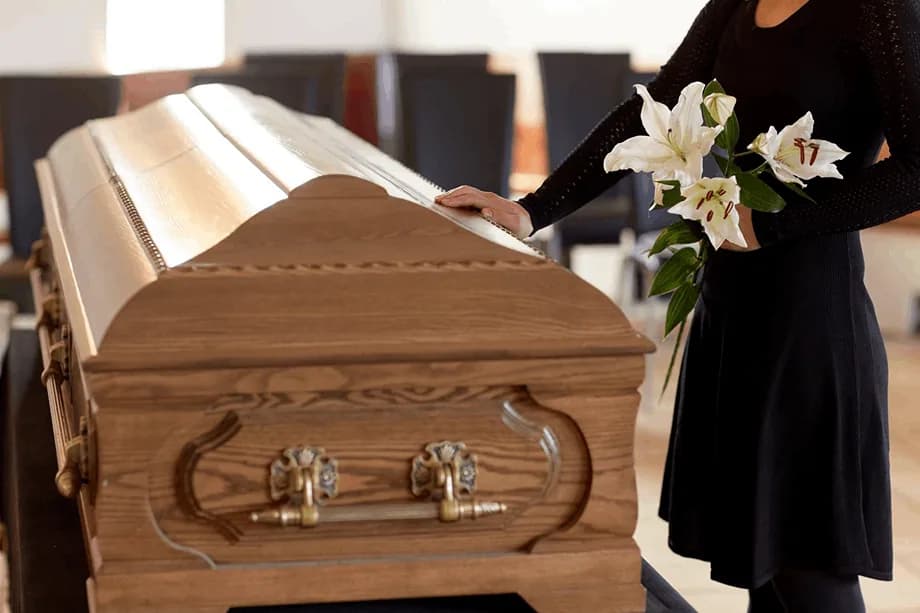
1. Wooden Coffins
Wood is the most commonly used material for coffins. The types of wood used for coffins include:
- Teak
- Mahogany
- Sungkai
- Durian wood
- Trembesi wood, and many more
Given the wide variety of woods available, wooden coffins also come in a wide price range, especially if you decide to add certain ornaments.
2. Coffins Stainless Steel
Coffins made of metal, or stainless steel (rust-resistant steel), are a very durable choice. They also last longer than wooden coffins and resist corrosion (rust). Some craftsmen can also combine a metal coffin with wood to create a traditional look.
3. Steel Coffins
Buying a coffin that fits your budget is a wise decision. If a stainless steel coffin is too expensive, a steel coffin may be the right choice for you.
A steel coffin can be custom-made (made to order). For example, you can add carvings in line with your culture or beliefs. Steel coffins are also durable, and the thicker the material used, the longer the coffin will last.
4. Brass or Copper Coffins
Although brass or copper coffins are also metal, these two materials have different properties. When brass or copper oxidizes (tarnishes), it develops a patina layer that can act as a protective coating and reduce further corrosion.
5. Coffins Made of Fiberboard
These coffins are also made of wood, more specifically pressed wood. The most significant difference between a wooden coffin and a fiberboard coffin is the price. A fiberboard coffin is priced much lower than a wooden one. However, the appearance of the fiberboard equally impressive.
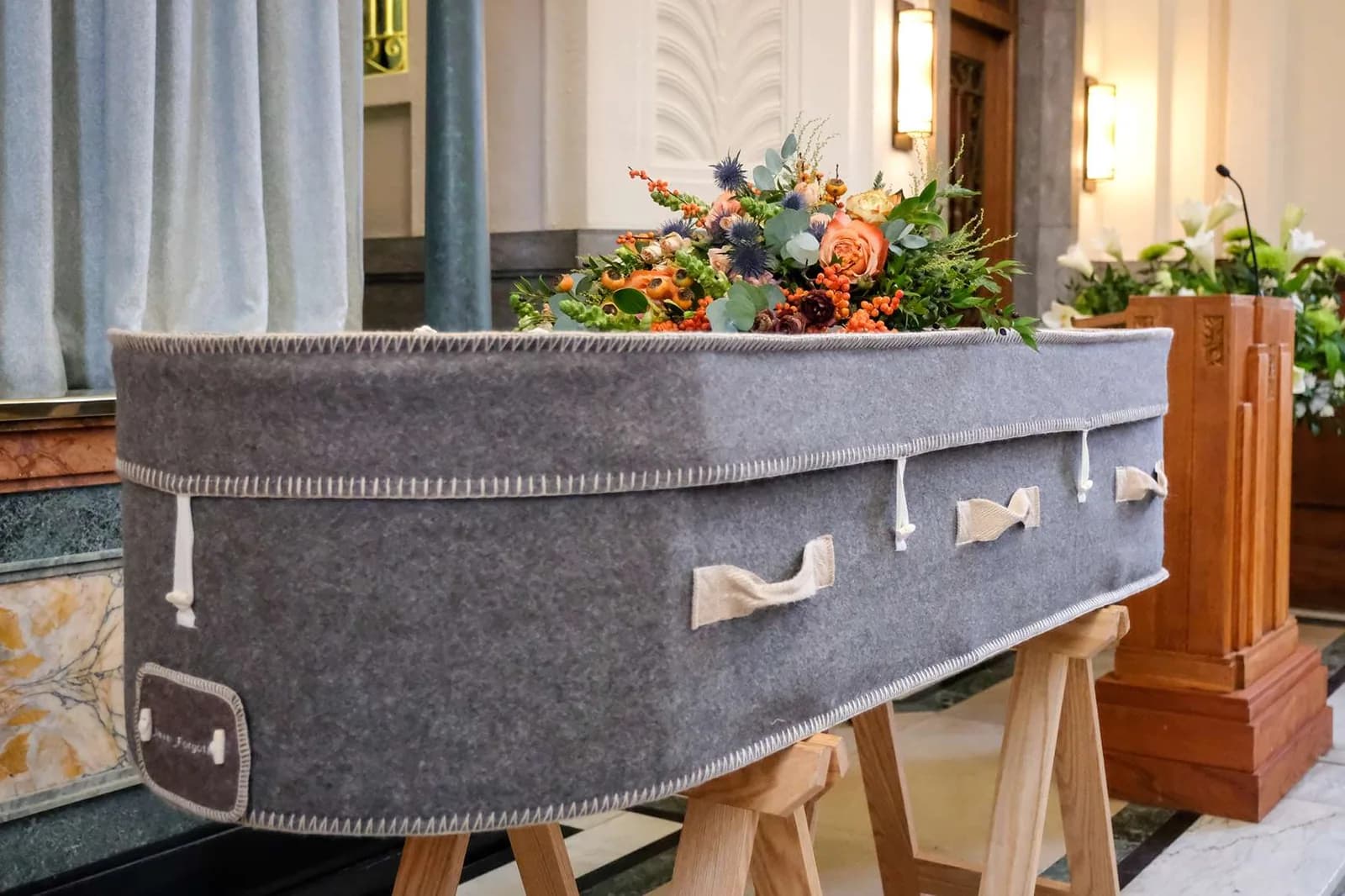
6. Eco-Friendly Coffins
In Indonesia, eco-friendly coffins are still fairly rare. These coffins can be made from a variety of biodegradable materials, including bamboo, pine wood, and banana stems.
These coffins are usually woven, which gives them their own natural beauty. The production process for eco-friendly coffins also avoids materials that are difficult to recycle and chemicals.
7. Cremation Coffins
Cremation coffins generally have no decorative elements. They are usually used for bodies that will be cremated right away. They are typically made from pressed wood, canvas, or thick cardboard to make the cremation process easier. If you wish to hold a full ceremony, it is best to choose another type of coffin first.
8. Two-Lid Coffins
Two-lid coffins, also known as half-couch lidded caskets, are often seen in ceremonies before burial, allowing family members to see the upper half of the body.
9. Special Coffins
One of the recent developments in coffins is the special coffin designed for bodies that tested positive for COVID-19. Muslim bodies are generally not placed in coffins, but special coffins are provided for COVID-19-positive bodies.
Using a coffin does not violate the law on burying the deceased in a coffin for Muslims. These special coffins are taller and narrower in shape because the body will face the qibla.
Both metal and wooden coffins can be decorated with carvings that reflect your faith or your family's identity. Coffin makers have their own styles for this. Of course, these added carvings and decorations will affect the final price of the coffin to some degree.
2. Adjust to Your Budget
The wide variety of coffins also means that prices vary considerably. For this reason, it is best to match your choice to your budget, especially if you need a particular coffin shape or want carvings or decorations that reflect your beliefs.
Wooden coffins are the most popular. Here is the typical price range for coffins based on the type of wood.
1. MDF Wood Prices
MDF wood coffins are fairly affordable. MDF stands for Medium Density Fiberboard, made from wood chips and other materials pressed into boards. MDF coffins typically cost between IDR 2.5 million and IDR 4.5 million.
2. Plywood Prices
Plywood can be considered good-quality wood at an affordable price. It is made from several layers of wood glued together and pressed. Plywood coffins typically cost around IDR 2 million.
3. Solid Wood Prices
This type of coffin is made purely from solid pieces of wood with no other materials mixed in. Solid wood costs more. Mahogany coffins typically cost around IDR 6 million, and teak coffins around IDR 10 million.
4. Other Costs
Planning the cost of the coffin along with other expenses during a time of grief is also important. Here are a few ways to help you organize all your needs:
1. Funeral Services
Of course, on the day of mourning, the coffin is not the only thing that needs a budget. There are other things to consider, such as funeral services or funeral event organizers.
Using a funeral event organizer can help you arrange everything you need, such as:
- Handling of the body
- Transportation
- Gravestone
- Document processing
- Tent & chairs
- Catering
2. Insurance
If the deceased had a life insurance policy, be sure to claim the benefit. Besides helping to cover the cost of funeral services and buying a coffin, it can also support the family left behind.
How Can This Coffin Recommendation Help?
For more information, you can visit the website kamboja.co.id, an event organizer funeral service provider that also offers funeral services in Bogor.

dev_kamboja
The Kamboja team writes guides on bereavement, funeral arrangements and funeral planning to help families in Indonesia.