Sending a loved one's body between islands is not an easy task for a grieving family. Beyond the emotional weight, the process also involves official procedures, complete documents, and special packing so the airline can fly the body safely.
The good news is that all of these steps can go very smoothly once you know the process from the start. This article covers, in a complete and friendly way, how to send a body between islands in Indonesia by air cargo.
An Overview of Sending a Body by Air Cargo
Sending a body by plane is the fastest way to move someone between cities or islands. This service is usually used when:
- The person passed away in another city or while living away from home, but the family wishes to bury them in their hometown.
- The journey is too long to make by land or sea.
- The body needs to arrive quickly so the funeral is not delayed.
The Complete Process for Sending a Body Between Islands by Air
Below is the practical, step-by-step process that usually takes place when a body is sent from a funeral home or hospital until it finally reaches the airport cargo terminal.
A. From the Hospital or Funeral Home
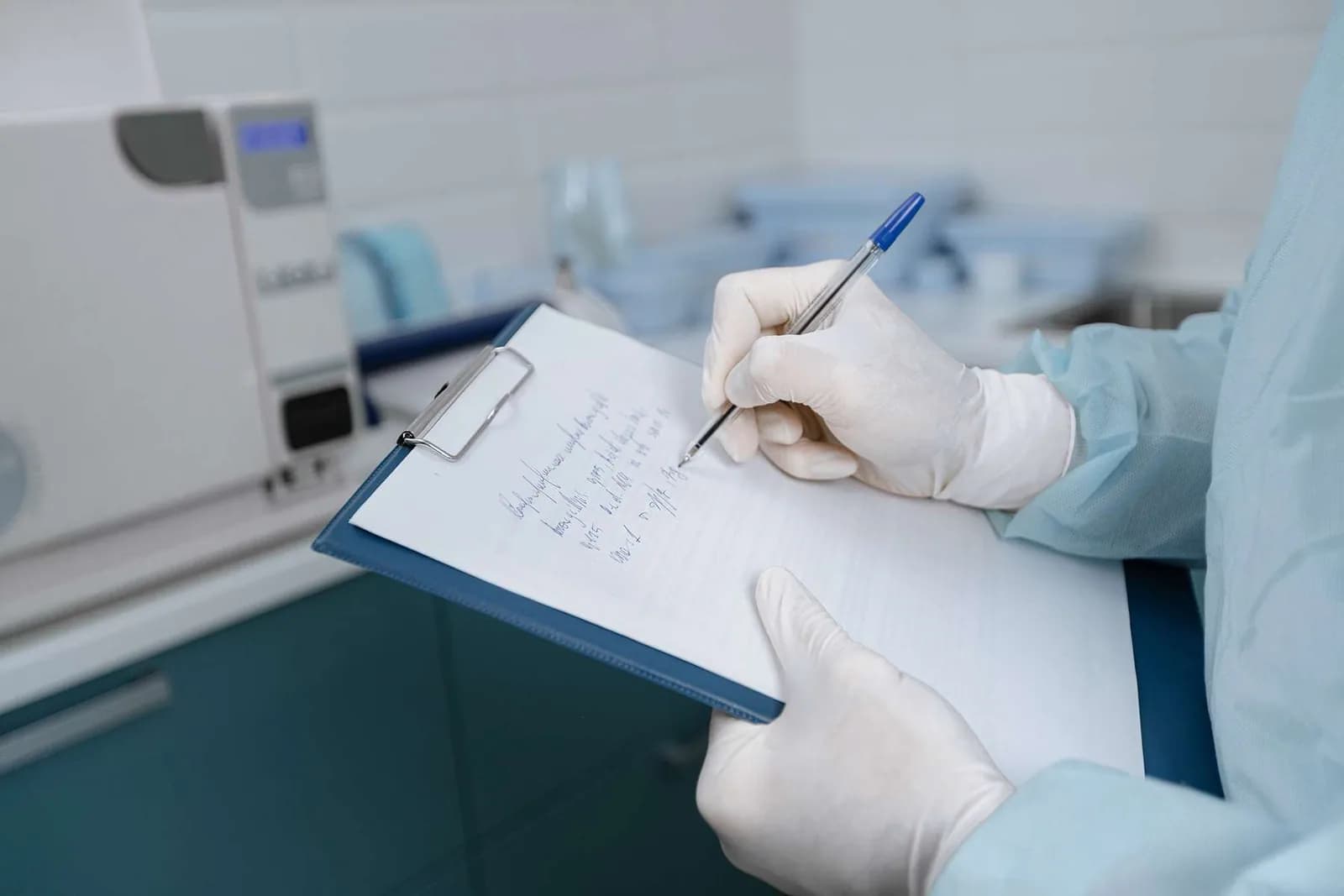
The first stage begins with arranging the basic documents from the hospital. The family must obtain a Death Certificate from the hospital stating the cause and time of the deceased's passing.
Next, prepare a Doctor's Autopsy Report (Visum) if the death is classified as non-natural or occurred outside a healthcare facility.
In addition, a Statement from the Family is also required, confirming that the family is responsible for the transfer of the body. These three documents are the initial requirements that will be used to process flight permits with the next agencies and with the airline.
B. Preparation and Packing of the Body
Before the body is taken to the airport, funeral home staff will carry out the preparation process according to standards. This stage includes bathing the body, drying the body, using formalin if needed for a long journey, and arranging and dressing the body according to each religion's customs.
Once this is complete, the body is moved into a special coffin that meets air cargo standards. The coffin used is usually a plywood casket (plywood) that is strong and resistant to impact. It must also be fitted with an inner zinc lining or metal layer on the inside if needed, plus liquid-absorbing material, and then sealed tightly with sealing or special tape so that no leaks occur.
Airlines will not accept a body if the coffin does not meet standards, is not sealed properly, or has no identity label. Once the coffin is ready, staff attach a label containing:
- The name of the deceased
- The family's name and contact
- The origin and destination of the shipment
- Handling sticker (FRAGILE / HUMAN REMAINS)
C. Arranging Official Documents for Flight Clearance
After preparation is complete, the family needs to arrange other official documents to obtain flight clearance from the airline. For the body to be flown, the airline requires several additional documents:
- Death Certificate from the Village/Civil Registry Office
- Body Transport Permit from the Health Office
- Preservation Certificate (Formalin)
- Photocopy of the deceased's ID card (KTP) and the family's
- Companion ticket for a family member (if any)
All documents are gathered and usually photocopied in several sets.
D. Pickup and Delivery of the Body to the Airport
Once all documents are complete and the coffin is ready, the next step is taking the body to the airport using a hearse from the funeral home or a pickup and drop-off service from a body cargo provider.
This process should be scheduled with enough time, because the airport cargo terminal has a cut off time, usually about 3–4 hours before the scheduled flight departure. For this reason, timing coordination is very important so that the body does not arrive late check-in.
E. Check-In Process for the Body as Cargo at the Airport
Upon arrival at the airport, the body does not enter through the passenger terminal but through the logistics terminal or cargo area. Here, the airline's cargo staff will:
- Check the complete documents
- Make sure the casket meets the standard
- Weigh the casket to determine the cost
- Enter the shipment data into the airline's system
If everything is in order, the process continues with the issuance of the Air Waybill (AWB) as proof of shipment.
After that, the casket undergoes a security check, either through x-ray or a manual inspection. Once it is cleared as safe, the casket is placed in a special compartment in the aircraft's cargo hold, usually near the rear door.
This is done so that it is protected from impact, is easy to load, and keeps the temperature stable during the flight. If family members are travelling on the same flight, they can complete their check-in through the passenger terminal.
F. Arrival at the Destination Airport
When the aircraft arrives at the destination, the family or the person receiving the body should prepare a hearse, bring the original ID card (KTP) as identification, and have copies of the shipping documents and the AWB ready.
The body is collected at the airport's cargo warehouse area, not the passenger terminal, so the recipient should arrive early and follow the instructions of the local cargo staff. Once the casket has been received, the body can be taken directly to the funeral home or burial site according to the family's plans.
Practical Tips for a Smooth Body Shipment
Here are some tips you should keep in mind:
1. Use a Professional Body Cargo Service
One of the most important ways to ensure the shipment process runs smoothly is to use a body cargo service professional.
By choosing a service like Kamboja, families no longer need to feel overwhelmed by the many lengthy procedures, from handling hospital and Health Office documents, to the preparation of the body, packing the casket to airline standards, and booking the flight slot and creating the Air Waybill (AWB).
All of these usually complicated steps can be handled by an expert team, so the family can focus on their grieving without having to manage technical matters that take a lot of energy and time.
2. Book the Flight Well in Advance
Body cargo cannot be sent at short notice because it requires preparation of the casket, documents, and the check-in.
3. Prepare the Documents from the Hospital or Funeral Home as Soon as Possible
Just as important, families must make sure that the documents from the hospital or funeral home are prepared as soon as the decision to ship the body is made. Without a letter of permission from the Health Office, the airline will not accept the body for transport.
Using a professional service like Kamboja also helps speed up this process, because their team already understands the procedures and standards of each airport and airline.
4. Make Sure the Casket Meets Airline Standards
Another point is to make sure that the casket being used meets the airline's standards. A casket without an inner zinc, that is not tightly sealed, or that does not meet cargo standards risks being rejected during airport inspection.
By choosing a service like Kamboja, families do not need to worry, because all the casket materials, sealing, and identity labelling are prepared according to international standards.
5. Coordinate with the Receiver at the Destination Airport
Lastly, it is important to coordinate well with the recipient at the destination airport. Make sure they know the flight schedule, arrive early, and bring complete identification for the collection process at the cargo warehouse.
Kamboja usually also provides guidance and coordination with the recipient, so the pick-up process is better organized and less confusing for families in the destination area.
Easier and Safer Body Transport with Kamboja
Kamboja provides complete services, from body cargo transport, body relocation services, and body handling services, to professional and compassionate funeral services.
With Kamboja's services, every step, from preparation and document handling to packing in an airline-standard casket and transfer to the airport, is handled thoroughly, so families can focus on their grief without being burdened by technical matters.
You can view the details of our services on the body cargo transport page and body handling services to make sure your family's needs are met safely and appropriately. For consultation or to book a service, please contact Kamboja Customer Service at +6282211111415 or +6281513532488.
- #layanan pemakaman
- #jasa kedukaan
- #cargo jenazah

Kamboja Blog
The Kamboja team writes guides on bereavement, funeral arrangements and funeral planning to help families in Indonesia.