How to Perform the Funeral Prayer for Women and Men: A Complete Guide
- dev_kamboja
- (updated )
- 5 min read
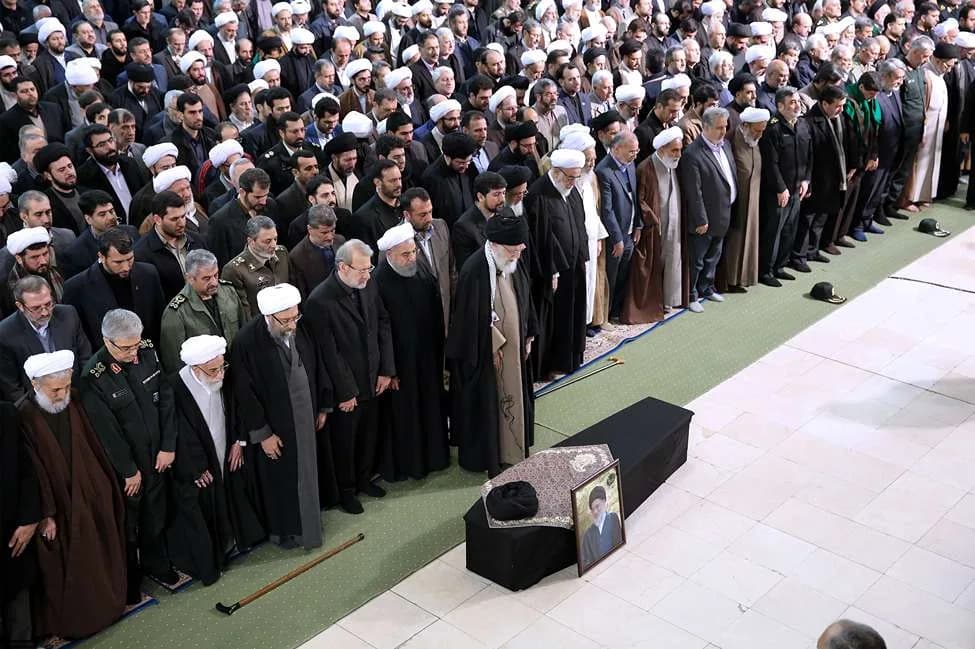
One of the obligations of Muslims when someone passes away is to pray over them. The ruling on praying over the deceased is fardhu kifayah and it is performed after the body has been washed and shrouded. How is this funeral prayer performed, and is the way of praying the same as other prayers?
The Funeral Prayer and Its Difference from the Absent Funeral Prayer
You may often hear the terms funeral prayer and absent funeral prayer (shalat ghaib). At first glance the two seem the same, as both aim to pray for a person who has passed away. However, they differ in how they are carried out.
The funeral prayer is performed when the deceased is still within reach, in other words, the body is present and can be seen directly. The absent funeral prayer, on the other hand, is performed when the body cannot be reached, either because the distance is too far or because the body has not been found.
The way of performing the funeral prayer is almost the same in both cases. The difference lies in the intention and in whether the body is present. Both can be performed anywhere and at any time, either individually (munfarid) or in congregation.
Conditions and Pillars of the Funeral Prayer
Before you pray over the deceased together with the congregation, the body must first be washed according to the procedure for washing the deceased as prescribed by sharia until it is pure and clean. After that, the body is shrouded according to the proper procedure for shrouding the deceased method.
Once all of this is complete, the body can be prayed over in congregation, after first checking the following conditions and pillars of the funeral prayer:
- Covering the awrah
- Being free from ritual impurity (hadas)
- Facing the qibla
- The body has already been washed and shrouded
- The body is positioned to the qibla side of those praying over it
Meanwhile, the pillars of the funeral prayer include:
- Intention (niat)
- The imam stands level with the head of the deceased (if the deceased is a man)
- Four takbirs
- Standing, if able
- Movements are limited to standing only, with no bowing (ruku), prostration (sujud), or sitting
- Reciting Al-Fatihah
- Reciting salawat upon the Prophet after the second takbir
- Praying for the deceased at the third takbir
- Concluding with the salam while standing
How to Perform the Funeral Prayer for a Man
When praying over the deceased, you need to understand that there are differences in method between a male and a female deceased. What distinguishes them is the position of the imam, the wording of the intention, and the prayer itself.
1. Note the Position of the Imam
If the deceased is a man, the imam stands level with the head or chest of the deceased. The congregation remains behind the imam.
2. Intention
For a male deceased, the intention is:
أُصَلِّي عَلَى هٰذَا الـمَيِّتِ فَرْضًا لِلّٰهِ تَعَالَى
Ushalli 'ala hadzal mayyiti fardhaan lillahi ta'ala.
Meaning: "I intend to perform the funeral prayer for this deceased man, an obligatory prayer, for the sake of Allah the Exalted."
3. Reciting Al-Fatihah
After the intention, say the first takbir, then continue by reciting Surah Al-Fatihah, the same surah you recite in the five daily prayers.
4. Reciting the Prayer upon the Prophet
Say the takbir again, then recite the salawat upon the Prophet:
اللَّهُمَّ صَلِّ عَلَى سَيِّدِنَا مُحَمَّدٍ، وَعَلَى آلِ سَيِّدِنَا مُحَمَّدٍ كَمَا صَلَّيْتَ عَلَى سَيِّدِنَا إِبْرَاهِيمَ، وَعَلَى آلِ سَيِّدِنَا إِبْرَاهِيمَ، وَبَارِكْ عَلَى سَيِّدِنَا مُحَمَّدٍ، وَعَلَى آلِ سَيِّدِنَا مُحَمَّدٍ، كَمَا بَارَكْتَ عَلَى سَيِّدِنَا إِبْرَاهِيمَ، وَعَلَى آلِ سَيِّدِنَا إِبْرَاهِيمَ، فِي الْعَالَمِينَ إِنَّكَ حَمِيدٌ مَجِيدٌ
Allahumma shalli 'ala sayyidina Muhammadin, wa 'ala ali sayyidina Muhammad kama shallayta 'ala sayyidina Ibrahim, wa 'ala ali sayyidina Ibrahim, wa barik 'ala sayyidina Muhammad wa 'ala ali sayyidina Muhammad, kama barakta 'ala sayyidina Ibrahim, wa 'ala ali sayyidina Ibrahim, fil 'alamina innaka hamidum majid.
5. Reciting the Prayer for the Deceased Man
Say the takbir and pray for the deceased (male):
اللَّهُمَّ اغْفِرْ لَهُ وَارْحَمْهُ وَعَافِهِ وَاعْفُ عَنْهُ وَأَكْرِمْ نُزُلَهُ وَوَسِّعْ مُدْخَلَهُ وَاغْسِلْهُ بِالْمَاءِ وَالثَّلْجِ وَالْبَرَدِ وَنَقِّهِ مِنَ الْخَطَايَا كَمَا نَقَّيْتَ الثَّوْبَ الأَبْيَضَ مِنَ الدَّنَسِ وَأَبْدِلْهُ دَارًا خَيْرًا مِنْ دَارِهِ وَأَهْلاً خَيْرًا مِنْ أَهْلِهِ وَزَوْجًا خَيْرًا مِنْ زَوْجِهِ وَأَدْخِلْهُ الْجَنَّةَ وَأَعِذْهُ مِنْ عَذَابِ الْقَبْرِوَ مِنْ عَذَابِ النَّارِ
Allahummaghfir lahu warhamhu wa 'afihi wa 'fu 'anhu wakrim nuzulahu wa wassi' mudkhalahu waghsilhu bil ma'i wats-thalji wal-barodi wa naqqihi minal khatayaya kama yunaqqats-tsaubul-abyadhu minad-danasi wa abdilhu daran khayran min darihi, wa ahlan khayran min ahlihi, wa zawjan khayran min zawjihi wa adkhilhul jannata wa a'idhhu min 'adhabil qabri wa min 'adhabin nar.
6. Reciting the Prayer for the Deceased
After that, say the fourth takbir and recite the prayer again:
اللَّهُمَّ لاَ تَحْرِمْنَا أَجْرَهُ وَلاَ تَفْتِنَّا بَعْدَهُ وَ اغْفِرْ لَنَا وَلَهُ
Allahumma la tahrimna ajrahu wa la taftinna ba'dahu waghfir lana wa lahu.
7. Giving the Salam
Finally, give the salam while standing, turning to the right and then to the left.
السَّلاَمُ عَلَيْكُمْ وَرَحْمَةُ اللهِ وَبَرَكَاتُهُ
Assalamu 'alaikum wa rahmatullahi wa barakatuh.
How to Perform the Funeral Prayer for a Deceased Woman
Here is the complete procedure for the funeral prayer when the deceased is a woman:
1. Note the Imam's Position
When leading the funeral prayer for a woman, the imam stands level with the deceased's abdomen or navel. The congregation remains behind the imam, with the first row made up of men, followed by the row of women.
2. Intention
Below is the intention for the funeral prayer (for a woman):
أُصَلِّي عَلَى هٰذِهِ الـمَيِّتَةِ فَرْضًا لِلّٰهِ تَعَالَى
Ushalli 'ala hadhihil mayyitati fardhan lillahi ta'ala.
3. Reciting Al-Fatihah
After making the intention in the heart, say the first takbir and then recite Surah Al-Fatihah.
4. Reciting the Prayer upon the Prophet
As before, after the first takbir and Al-Fatihah, say the second takbir and recite the salawat upon the Prophet:
اللَّهُمَّ صَلِّ عَلَى سَيِّدِنَا مُحَمَّدٍ، وَعَلَى آلِ سَيِّدِنَا مُحَمَّدٍ كَمَا صَلَّيْتَ عَلَى سَيِّدِنَا إِبْرَاهِيمَ، وَعَلَى آلِ سَيِّدِنَا إِبْرَاهِيمَ، وَبَارِكْ عَلَى سَيِّدِنَا مُحَمَّدٍ، وَعَلَى آلِ سَيِّدِنَا مُحَمَّدٍ، كَمَا بَارَكْتَ عَلَى سَيِّدِنَا إِبْرَاهِيمَ، وَعَلَى آلِ سَيِّدِنَا إِبْرَاهِيمَ، فِي الْعَالَمِينَ إِنَّكَ حَمِيدٌ مَجِيدٌ
Allahumma shalli 'ala sayyidina Muhammadin, wa 'ala ali sayyidina Muhammad kama shallayta 'ala sayyidina Ibrahim, wa 'ala ali sayyidina Ibrahim, wa barik 'ala sayyidina Muhammad wa 'ala ali sayyidina Muhammad, kama barakta 'ala sayyidina Ibrahim, wa 'ala ali sayyidina Ibrahim, fil 'alamina innaka hamidum majid.
5. Reciting the Prayer for the Deceased Woman
The next step in the funeral prayer is to say the third takbir and pray:
اللَّهُمَّ اغْفِرْ لَهَا وَارْحَمْهَا وَعَافِهَا وَاعْفُ عَنْهَا وَأَكْرِمْ نُزُلَهَا وَوَسِّعْ مُدْخَلَهَا وَاغْسِلْهَا بِالْمَاءِ وَالثَّلْجِ وَالْبَرَدِ وَنَقِّهَا مِنَ الْخَطَايَا كَمَا نَقَّيْتَ الثَّوْبَ الأَبْيَضَ مِنَ الدَّنَسِ وَأَبْدِلْهَا دَارًا خَيْرًا مِنْ دَارِهَا وَأَهْلاً خَيْرًا مِنْ أَهْلِهَا وَزَوْجًا خَيْرًا مِنْ زَوْجِهَا وَأَدْخِلْهَا الْجَنَّةَ وَأَعِذْهَا مِنْ عَذَابِ الْقَبْرِ وَ مِنْ عَذَابِ النَّارِ
Allahummaghfir laha warhamha wa 'afiha wa 'fu 'anha wa akrim nuzulaha wa wassi' mudkhalaha waghsilha bil ma'i wats-thalji wal-barodi. Wa naqqiha minal khatayaya kama naqqaytats-tsaubal-abyadha minad-danasi. Wa abdilha daran khayran min dariha wa ahlan khayran min ahliha wa zawjan khayran min zawjiha wa adkhilhal jannata wa a'idhha min 'adhabil qabri au min 'adhabin nar.
6. Reciting the Prayer
Say the fourth takbir and recite the prayer again, namely:
اللَّهُمَّ لاَ تَحْرِمْنَا أَجْرَهَا وَلاَ تَفْتِنَّا بَعْدَهَا وَ اغْفِرْ لَنَا وَلَهَا
Allahumma laa tahrimnaa ajrohaa wa laa taftinnaa ba'daha waghfirlana wa lahaa.
7. Offering the Salam
Finally, close with the greeting of peace:
السَّلاَمُ عَلَيْكُمْ وَرَحْمَةُ اللهِ وَبَرَكَاتُهُ
Assalamu'alaikum wa rahmatullahi wabarakaatuh.
Do You Know How to Perform the Funeral Prayer?
Before beginning the funeral prayer, make sure you understand how to perform it, from the movements and intention to the recitations and supplications. If you need help with arrangements for the deceased, you may use Kamboja's complete and trusted funeral services .
Kamboja offers on-demand service professionals who will help you with the funeral arrangements, from caring for the deceased, to the headstone or coffin, tents and chairs, and refreshments for mourners. That way, you won't have to worry or exhaust yourself preparing everything.

dev_kamboja
The Kamboja team writes guides on bereavement, funeral arrangements and funeral planning to help families in Indonesia.