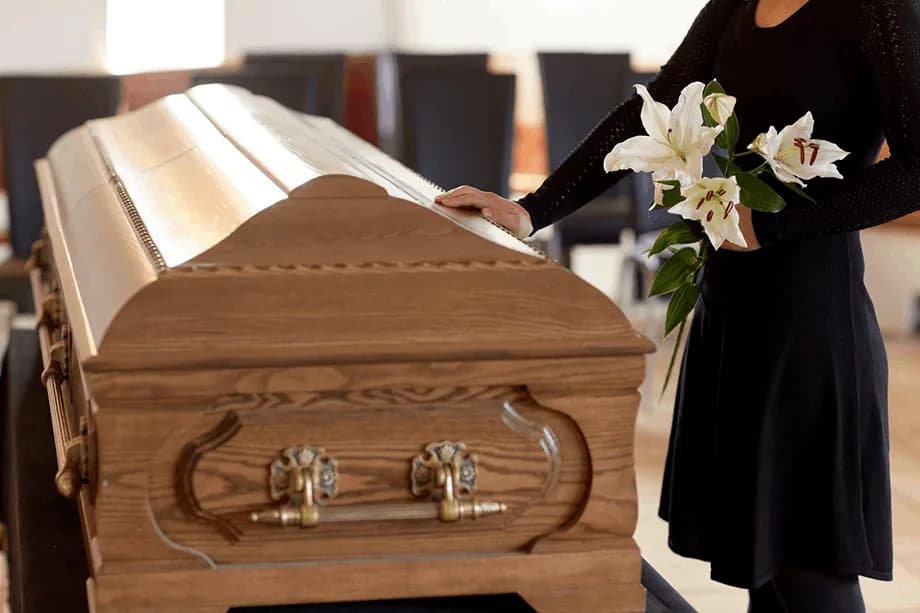
A death can happen at any time. Sudden deaths are a clear reminder of this. When a family lives in a remote area or far from the final resting place, the funeral process can become much more difficult. For this reason, body cargo is one of the solutions for overcoming this.
What Is Body Cargo?
Cargo is a means of sending goods in large quantities over a wider area, whether between cities, islands, or even abroad.
Cargo shipping can be carried out by air, using aircraft. This route is relatively effective and faster than land or sea transport.
So, what is body cargo? It is a specialized cargo service that operates within the funeral event organizer sector and is used to transport human remains. Because it is a special service, handling it requires particular care, and there are several requirements and regulations that must be followed.
Requirements and Procedures for Body Cargo
When using body cargo services, you must pay attention to the applicable requirements and procedures. Here are some of the requirements you need to prepare before going through the service procedures:
- An official death certificate issued by the relevant hospital and police.
- An official cremation certificate for remains that have undergone cremation.
- An official statement regarding the cause of death, issued by the hospital.
- For remains that are not cremated, an embalming and body packing certificate is required.
- An official statement confirming that the remains are free from contagious disease, issued by the hospital that handled the case.
- If the remains come from abroad, a shipping permit must first be obtained from the embassy of the destination country. If the deceased was a foreign national, the remains must be returned to the country of origin.
- The identity card (KTP) of the deceased and of the accompanying person.
- A written guarantee that someone will be there to collect the remains upon arrival at the destination.
How Much Does Body Cargo Cost?
As a specialized cargo service, renting it is certainly not cheap. Costs can reach millions of rupiah, depending on the type of cargo and the shipping distance.
The main reason body cargo is expensive is that preparation and handling are carried out in a special way, especially for remains that are not cremated. As a result, the preparation details are much more complicated.
For example, before the remains are placed in cargo, they must go through several procedures first, from hygiene care and ceremonies to the embalming process.
After that, the remains are tightly packed and placed in a coffin lined with aluminum, to ensure they are fully sealed. In addition, the shipping distance and the weight of the coffin also affect the cost. In general, cargo shipping is charged per kilogram.
This is why remains that are not cremated cost more to transport, while remains that have been cremated are cheaper, because the equipment and preparation are lighter for cargo shipping systems.
Transporting Remains by Plane
Transporting remains by plane has its own requirements, which depend on the airline handling the shipment. For example, Garuda Indonesia provides remains transport services for both domestic and international routes.
In addition to the standard cargo requirements, transporting remains by plane has extra requirements, including the following:
- The recipient must present the AWB number (previously provided by the shipping party), as proof of collection.
- The remains must have a death certificate and clear, complete data.
- The recipient must have a written guarantee of collection from the hospital.
- A letter of permission from the local RT or RW (neighborhood administration) is required.
- A permit to take the remains out.
- If the deceased is a foreign national, permission from the embassy is required beforehand.
- A shipping consultation must take place.
- A police letter covering the autopsy, cause of death, and related matters.
- Proof that the remains do not carry any contagious disease.
Through air shipping by plane, you can choose the distance and destination that suit your needs. With air transport, the remains can be arranged on a flight that arrives at a time that works for you.
Transporting by Hearse
Many body cargo providers now offer hearse services. Ambulances and hearses are two types of vehicles that have priority on the road.
As priority vehicles, both have warning equipment in the form of sirens and blue rotating lights, usually located at the top center of the vehicle.
However, sirens and lights must not be used carelessly, because warning equipment is only for emergencies. That is why these vehicles are allowed to travel at certain speeds.
Unlike regular ambulances, which are white, a funeral hearse is black. In a hearse, the compartment for the remains is separated from the driver.
What Is the Price Range for Body Cargo?
Kamboja is a trusted funeral service provider, offering a range of services including arranging the shipment of remains, known as body cargo. This service is important for families who need to send remains from one location to another, whether between cities, between islands, or abroad.
To estimate the cost of body cargo, Kamboja has a price list that varies depending on several factors, such as shipping distance, the type of service chosen (for example, regular or express), and other special requirements such as the use of a special coffin or document processing. For full details, you can view them on Kamboja's body cargo service page.
For example, for domestic shipments, prices can start from several million rupiah up to over ten million rupiah, depending on the distance. For international shipments, prices are naturally higher, because they involve more complex permit and document processing as well as higher shipping costs.
These prices include document processing, preparation of the remains, and escort throughout the shipping process. Kamboja also offers additional services, such as providing a coffin that meets international flight standards and handling airport formalities.
By using Kamboja's services, grieving families can feel at ease knowing that all the needs for transporting remains will be handled with professionalism and great respect.
Tips for Choosing the Right Body Cargo Service
When you plan to use a cargo service for a deceased person, you need to choose carefully. Here are some tips:
1. Check the Service's Credibility
Every business should have a business license, as this serves as proof that the service offered is trustworthy. A cargo service that transports deceased persons will apply special handling, so the service should have a good reputation.
2. Check Its Partnerships with Funeral Homes
Make sure the body cargo service you choose already works with many funeral homes. This makes preparing the remains easier and eases the burden on grieving clients.
3. Find Out the Types of Cargo Available
Cargo agents usually offer a variety of options, such as ambulances, planes, ships, and more. Also check which fleet, facilities, and services you will receive.
The more services a provider offers, the more reliable it tends to be. For companies with extensive experience, customer comfort is a top priority.
4. Match the Service to Your Budget
Before using a service, find out the rate for each type of cargo. This lets you compare it with other cargo services, so you can adjust to the budget you have available.
Now You Understand What Body Cargo Is
These are some of the important points about body cargo that you should know. By using cargo services, you can transport the body of a deceased person with ease, so the family can hold the funeral on time.
Kamboja stands by you in providing professional funeral services and funeral protection plans for you and your family when that day comes.

dev_kamboja
The Kamboja team writes guides on bereavement, funeral arrangements and funeral planning to help families in Indonesia.