Understanding Haul: The Annual Commemoration of a Saint's or Scholar's Passing
- dev_kamboja
- (updated )
- 5 min read
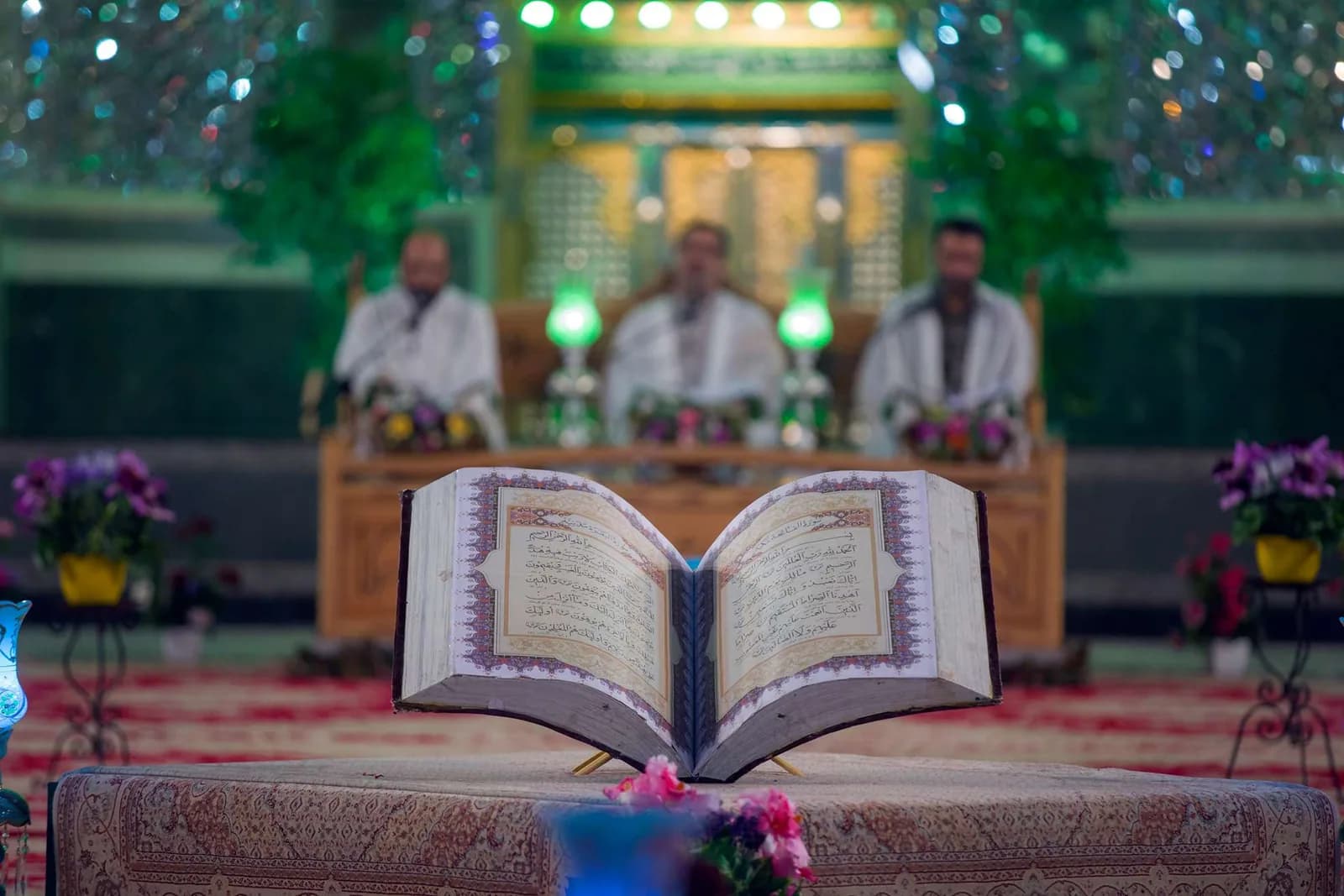
Haul is a custom that has long been an important part of Muslim life in Indonesia. It refers to the commemoration of the passing of revered saints and scholars. So, what is its history, and what do religious leaders say about how it is observed? Find the full answer in the sections below!
What Is Haul?
Every year, Muslims commemorate the passing of great figures of the Islamic faith. This occasion is known as “haul,” a spiritual gathering that carries meaning and reflects Islamic teachings. Pilgrimage, or haul, is an important tradition in Islam intended to honor the contributions of righteous people.
More than a simple commemoration, it also carries deep Islamic values. The word “haul” comes from Arabic and means "year." For this reason, it is held only once a year, on the anniversary of the passing of the saint or scholar.
In practice, Muslims observe it as they welcome the months of Shawwal and Ramadan. Activities include collective prayer and pilgrimage before fasting, along with scattering flowers, known as “nyekar.” This custom is the result of the blending of Islamic, Javanese, and Hindu cultures.
Beyond a religious ritual, pilgrimage reflects a very strong social dimension. Each person has the opportunity to reflect on the historical role of the preacher, express affection, and seek forgiveness. Pilgrimage also serves as a reminder of death as an unavoidable part of life.
What Is the History of Haul?
Pilgrimage was first indicated in the Hadramaut region of Yemen. However, the exact history of haul remains unclear. Society in Yemen was strongly shaped by social stratification, so life was divided according to lineage.
The sayyids, descendants of the Prophet Muhammad (peace be upon him), held the highest place in the social structure. The next rank was the masyayikh, descendants of prominent Islamic thinkers. Then came the qabail, members of leading tribes. Finally, the masaakin, the poor who had neither knowledge nor wealth.
As spiritual leaders and religious authorities, the sayyids played a central role in community life. Even after their passing, they were regarded as intermediaries for the prayers of Muslims to Allah SWT and the Messenger of Allah SAW. This is why communities hold visits to graves once a year.
Typically, the leaders of haul events are descendants of the sayyids. Their purpose is to provide an opportunity to honor the contributions of their ancestors through lectures. Pilgrimage not only strengthens the social role of the sayyids as heirs, but also builds emotional and spiritual bonds.
The haul tradition also distinguishes the commemoration of scholars from that of the Prophet Muhammad (peace be upon him). Scholars are commemorated for the event of their passing, while the maulid is the commemoration of the birth of the Messenger of Allah SAW. The reasoning is that the birth of a scholar is like that of any other infant, but their distinction is seen during their lifetime.
What Is Done During Haul?
Pilgrimage commonly takes place once a year, on the day of death of a great figure of the Islamic faith. It may be performed individually or in a group. So, what does the observance involve? If you pay attention, haul is inseparable from the following three elements.
1. Recitation of Prayers and Tahlil
According to KH. Ali Ma'shum in the book Ahlussunnah wal Jamaah, the good deeds of the living can be offered to those who have passed away. These good deeds include reciting the Quran, dhikr, giving charity, and making prayers.
The purpose of prayer during the haul is to ask Allah SWT for forgiveness of sins. Directly asking the deceased for help is considered an act of associating partners with Allah SWT. This ruling is set out in the Quran, Surah Yunus, verse 106.
2. Public Religious Lecture
After tahlil and prayer, the next activity is a public religious lecture. Religious study is da'wah delivered through beneficial words that offer insight and guidance to improve the quality of piety. Usually, lectures during pilgrimage begin with a reading of the life story of the saint or scholar.
Such lectures not only broaden understanding of Islamic teachings, but also encourage righteous conduct in worship and in social life. A benefit of haul lectures is that they do not require large expenses and can accommodate people from all walks of life. They also carry messages that encourage improvement in morality and ethics.
3. Charity
Giving charity with the intention of benefiting a saint or scholar who has passed away is a good deed in Islam. Therefore, giving charity as part of the haul is permissible as long as it does not violate Islamic law. However, asking the deceased for help through charity is considered a major sin.
What Do Scholars Say About Haul?
In truth, pilgrimage has no explicit basis in Islam. Nevertheless, observing haul is a tradition or good deed when performed with sincere intention and without deviation. Some religious leaders support it by citing hadiths that mention the virtue of remembering righteous people.
However, some scholars consider it a bid'ah, an innovation. Their reasoning is that there is insufficient strong evidence for the practice of pilgrimage within Islamic law. They argue that it is better to respect and follow the example of great saints and scholars by emulating their conduct.
Pilgrimage traditions can vary depending on the culture of Muslim communities in different parts of the world. Some places may celebrate it with large and festive events, while in other areas it may be a simple commemoration with communal dhikr and prayer.
Now You Know What Haul Is
In pilgrimage, it is important to maintain a balance between respect for saints and scholars and making sure not to fall into shirk. In essence, haul is an effort to remember, honor, and learn from the Islamic teachings left behind by righteous people.
Speaking of pilgrimage, if you need trusted funeral protection services, you can turn to the funeral services of Kamboja. You can obtain the best Muslim funeral pricing through a custom package. Please visit the trusted Kamboja funeral services website for more information, or speak with a Kamboja team member by contacting Kamboja contact.

dev_kamboja
The Kamboja team writes guides on bereavement, funeral arrangements and funeral planning to help families in Indonesia.


