The Unique Character and Role of Funeral Services in Confucian Death Rituals
- Kamboja Blog
- (updated )
- 6 min read
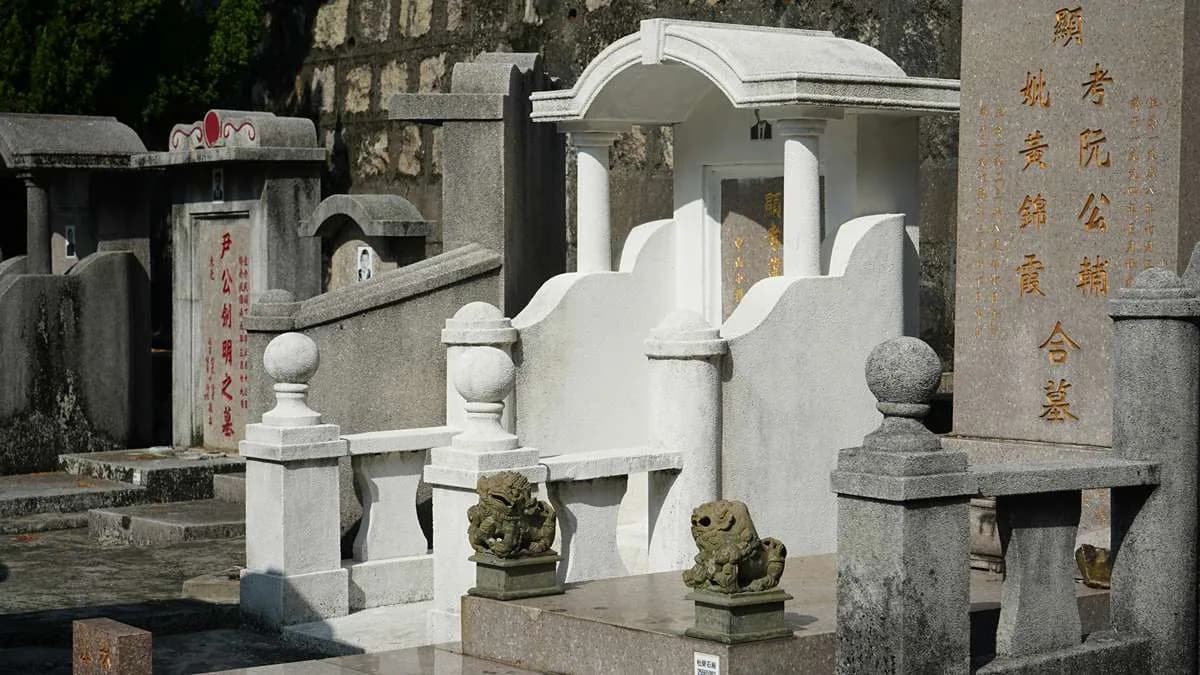
Death rituals in Indonesia are very diverse, including among the Chinese-Indonesian community. Both continue to hold strongly to ancestral traditions, so their funeral processes are more complex than those of other religions. For this reason, funeral services can often help ease the burden on grieving families.
The Distinctive Features of Confucian Funeral Rites
Since the colonial era, Chinese funeral traditions have served as an indicator of a person's social stratification. The higher a person's standing, the more elaborate the funeral process. However, over time these death rituals have adapted, especially after the difficult economic period of several decades ago.
1. Funeral Preparations
Preparations for a Chinese funeral begin with bathing the body using five-flower water and rice wine, and dressing the deceased in their finest clothes from their lifetime. In some cases, the deceased is even dressed in a wedding garment.
Those aged 80 and above are covered with a red cloth resembling a burial shroud. Red is rarely used because it symbolizes joy. However, this is an exception for the deceased who have passed the age of 80, as a symbol of a successful life that has brought forth many generations.
Some families may place pearls in the seven openings of the deceased's head, namely the eyes, nostrils, ears and mouth. For families of lower-middle economic means, cotton may be used in place of pearls.
Most of the deceased's clothing is donated to people in need, or taken by the family if permission is given. A broken mirror is also placed on the body of the deceased, signaling that life in this world has come to an end.
2. Preparations for the Grave
Upper-middle-class Chinese families often use funeral services and body-care services to lighten the family's burden. These include arranging a suitable burial site and handling all the necessary needs.
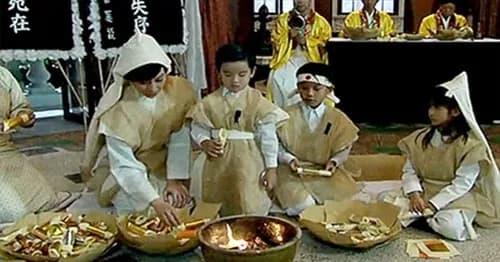
In Chinese tradition, the body must be dressed and placed in a coffin before burial. The family prepares everything the deceased needs, especially complete clothing along with gloves and shoes. They also burn silver paper, which serves as a cushion in the coffin.
Family members take turns sitting beside the body while burning silver paper in a burning basin. This silver paper is believed to serve as money in the spirit world.
3. Coffin Closing Ceremony
In Chinese tradition, closing the coffin does not simply happen without a ritual. The ceremony led by the Sai Kong (Tekong) determines the auspicious date on which the coffin closing and burial may begin.
At the bottom of the coffin are seven metal coins, symbolizing the seven stars of the Big Dipper, followed by scattered tea leaves while chanting "Le tho, pe tho, cheng tho, hoat cai" three times. Before the coffin is closed, the family burns hio, kneels, walks around the coffin, and sprinkles fragrant oil as a final act of respect.
The deceased's children then place seven pearls or pieces of cotton in the body's openings as a commitment to keep the family in harmony and to show patience in accepting the passing of the deceased.
Afterwards, the Sai Kong asks the deceased's eldest son or eldest son-in-law to hammer four nails into the corners of the coffin in a clockwise direction. Hammering these nails is believed to bring blessings, wealth, good fortune, and to keep the family away from misfortune.
4. Prayer Ceremony
After the coffin is closed, prayers are offered at an altar table holding the deceased's photo, candles, hio, and a hiolo(incense burner). The eldest child lights a white candle and burns a green-handled hio . Notably, the incense must not break, so it must be joined before it runs out.
The family prepares food offerings including sam sheng (pork, a whole chicken and milkfish), bright-colored sweet cakes without glutinous rice, sugarcane stalks, preserved sweets, and fruits such as apples, bananas and oranges.
The family wears toaha garments made of blacu cloth or burlap sacking, worn inside out as a sign of mourning. In big cities, mourning clothes are replaced with white T-shirts, which are then washed and hung out in the sun after the event to ward off bad luck.
Ten Lung lanterns are hung at the entrance of the house of mourning, and near the coffin there is a place to burn silver paper. The deceased's children can sit and burn silver paper. When guests arrive, they are given 2 hio sticks so they can join in the prayers. If not, they may simply bow respectfully or pai with their hands.
5. Lying in State of the Deceased
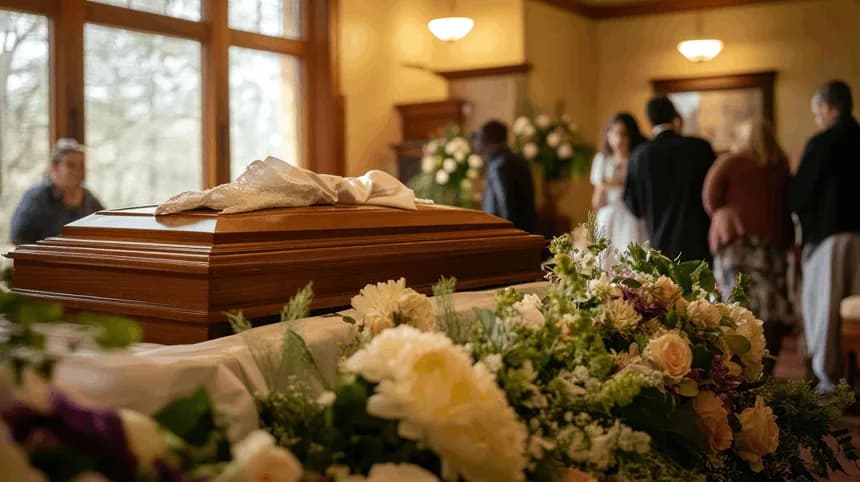
The lying in state is usually the most exhausting stage for the family, so it is no surprise that funeral services are a great help in preparing everything that is needed. In Chinese tradition, the body is not carried away immediately after the coffin is closed and prayers are offered.
The family usually waits several days so that relatives who live far away can come and pay their last respects. The family takes turns keeping vigil over the body and attending to guests who come to pay their respects over many days. The guests also give envelopes as a gesture of care for the grieving family.
6. Burial of the Deceased
The burial procession proceeds with the eldest son carrying the deceased's photo along with a large, lit hio stick. Just before departure, the Tekong breaks a large watermelon as a sign that the deceased's world has ended here.
There is also a tradition of knocking on the coffin three times with a piece of wood before the burial, as a sign that the family has let the deceased go. After that, the family escorts the departed to their final resting place by hearse.
Meanwhile, the Tekong usually rides in the vehicle and occasionally scatters silver paper along the road. At this stage, using a funeral service is important so the process runs in an orderly way.
On arriving at the cemetery, the prayer ritual is performed. The eldest son prays to the Earth God using hio sticks with red handles, 3 sticks in total, for the smooth running of the procession.
The Tekong goes down into the grave to place four coins at the bottom as a base for the coffin. After that, he splits a coconut, whose water the family drinks, and then the grave is covered with scattered soil and flowers.
Use a Confucian Funeral Service
The funeral process of the Chinese ethnic community has unique features and complexity rich in noble values. Therefore, to ensure that every procession runs smoothly and in an orderly way, use a funeral service for Confucians from Kamboja.
With an integrated system, Kamboja's services help ease the family's burden, from handling administration and caring for the body to the burial and arranging refreshments for guests. Kamboja is ready to accompany you and your family through difficult times with complete and trusted protection.
For more information, you can visit the Kamboja website or contact customer service directly via WhatsApp CS 1: +6282211111415 or CS 2: +6281513532488.
- #layanan pemakaman
- #jasa kedukaan
- #proteksi kedukaan
- #pemakaman Tionghoa

Kamboja Blog
The Kamboja team writes guides on bereavement, funeral arrangements and funeral planning to help families in Indonesia.